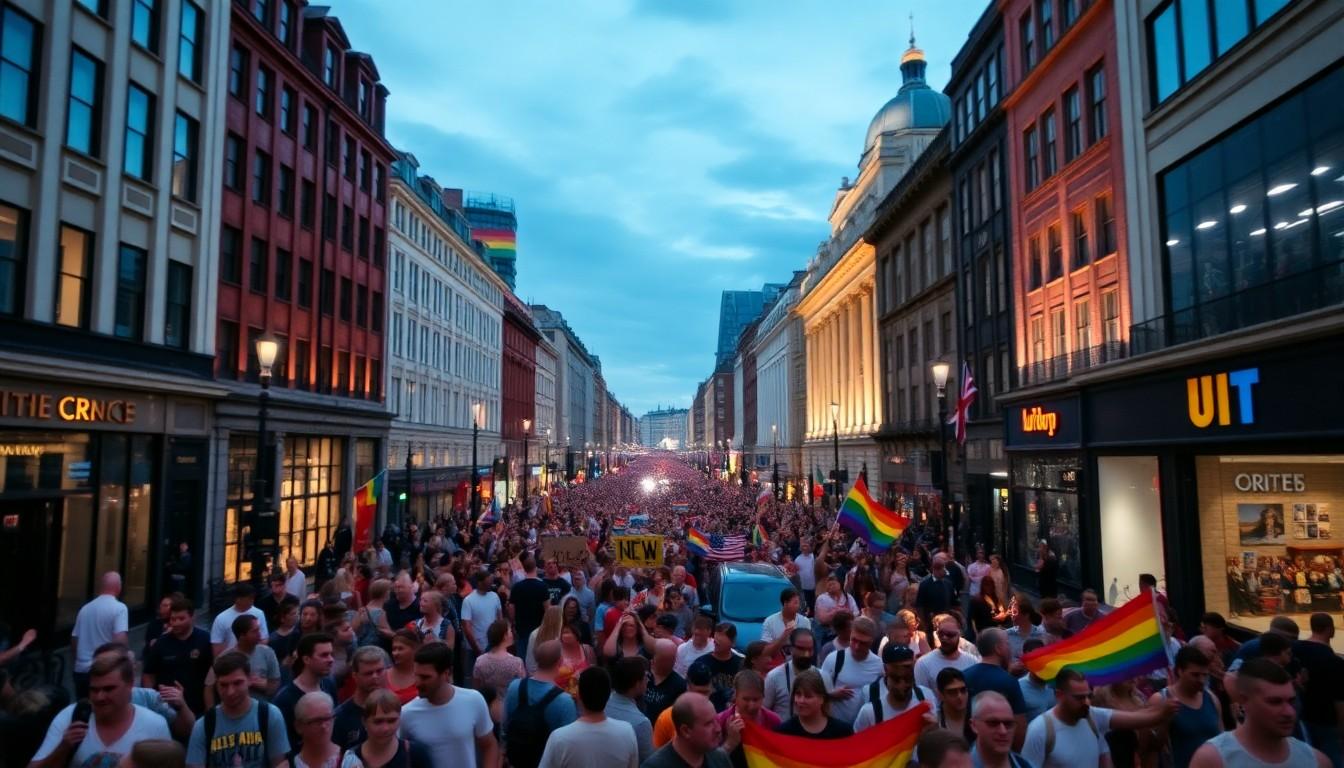
Shoppers, marchers and activists gather each summer as London Pride lights up the streets and reminds us who’s won rights, who’s still fighting, and why visibility now feels both triumphant and fragile. Here’s why Pride matters in 2026, what’s changed, and how to make the day meaningful beyond the music and floats.
Essential Takeaways
- Ranking slip: The UK sits 22nd out of 49 European countries on the ILGA-style rainbow index, signalling stalled legal progress.
- Visibility vs politics: London Pride draws over a million people and tens of thousands of marchers, mixing party atmosphere with protest energy.
- Trans rights under pressure: Recent legal rulings and high rates of harassment mean trans and non-binary people still face acute day-to-day risks.
- Money and reach: Corporate sponsorship helps fund Pride’s spectacle, but organisers and campaigners warn about depoliticisation.
- Practical note: If you go to Pride, seek out grassroots groups on the route , they often carry the clearest calls for change.
Pride’s sparkle , and the uneasy backdrop
Pride in London still gleams: colourful floats, loud music and a river of people cheering in the streets, and there’s an obvious emotional lift when you’re in a crowd that large. But the backdrop has darkened for many. According to campaign groups tracking legal protections across Europe, the UK’s relative position has slipped to 22nd, a reminder that progress isn’t linear. That ranking underlines why parades that look like festivals can also feel like urgent public statements.
Campaigners say the lived experience hasn’t matched the spectacle. You can enjoy the party but also hear the nervous conversations about shrinking legal protections, especially for trans people. For many, Pride is now a dual-purpose day: celebration and resistance.
Why the ranking matters to people on the ground
A mid-table ranking isn’t just a number , it feeds through to policy, services and safety. Independent monitoring bodies have documented the UK’s fall in European equality indices, and that decline affects funding, policing priorities and the willingness of institutions to act. When a country’s laws wobble, access to healthcare, legal recognition and safe public spaces can all be jeopardised.
That matters in everyday terms: surveys and advocacy groups report high rates of harassment and hate incidents against trans and non-binary people, which makes public life riskier. So Pride remains a chance to show numbers and remind authorities that visibility must be matched by protection.
The politics of Pride: from protest to parade , and back again
Pride didn’t begin as a carnival; its roots are in protest. London’s early demonstrations in the 1970s were explicitly political, responding to laws and social hostility. As the event grew it picked up sponsorships and stages, and now brings in millions to the local economy. That commercial muscle funds a big, safe event, but it can also soften the message.
Organisers and activists are debating that tension. Some argue corporate visibility has widened reach and acceptance; others warn it risks whitewashing the structural injustices still faced by marginalised groups. If you want to see the politics in action, look for the grassroots banners and stalls on the route , that’s where activists remind you what’s still on the agenda.
Trans rights at the centre of the conversation
For many Pride-goers, supporting trans and non-binary people is the day’s most vital message. Recent legal developments in the UK have made gender recognition and the meaning of “woman” and “man” hotly contested; campaigners say these shifts can materially restrict rights. Beyond law, research shows high levels of street harassment and hate incidents experienced by trans communities, which is why accessible toilets, safer transport and respectful policing remain practical demands.
If you’re going to Pride and want to be helpful, listen to trans-led groups about safe spaces, and donate or volunteer where you can. Visibility is powerful, but it should be paired with concrete support for services and legal campaigns.
How to make your Pride attendance more than a photo op
There’s a lot to enjoy: music, costumes and community stalls. But you can go further without much fuss. Seek out independent and grassroots stalls, sign petitions, and read the leaflets you’re handed , they explain the campaigns that need attention year-round. Consider a small donation to local helplines or trans charities; even a few pounds helps maintain vital services.
If you’re taking children, talk beforehand about inclusion and respect. And if you see harassment, report it to stewards or police , organisers work hard to keep events safe, but public vigilance helps too.
It's a small change that can make every Pride moment count.
Source Reference Map
Story idea inspired by: [1]
Sources by paragraph: