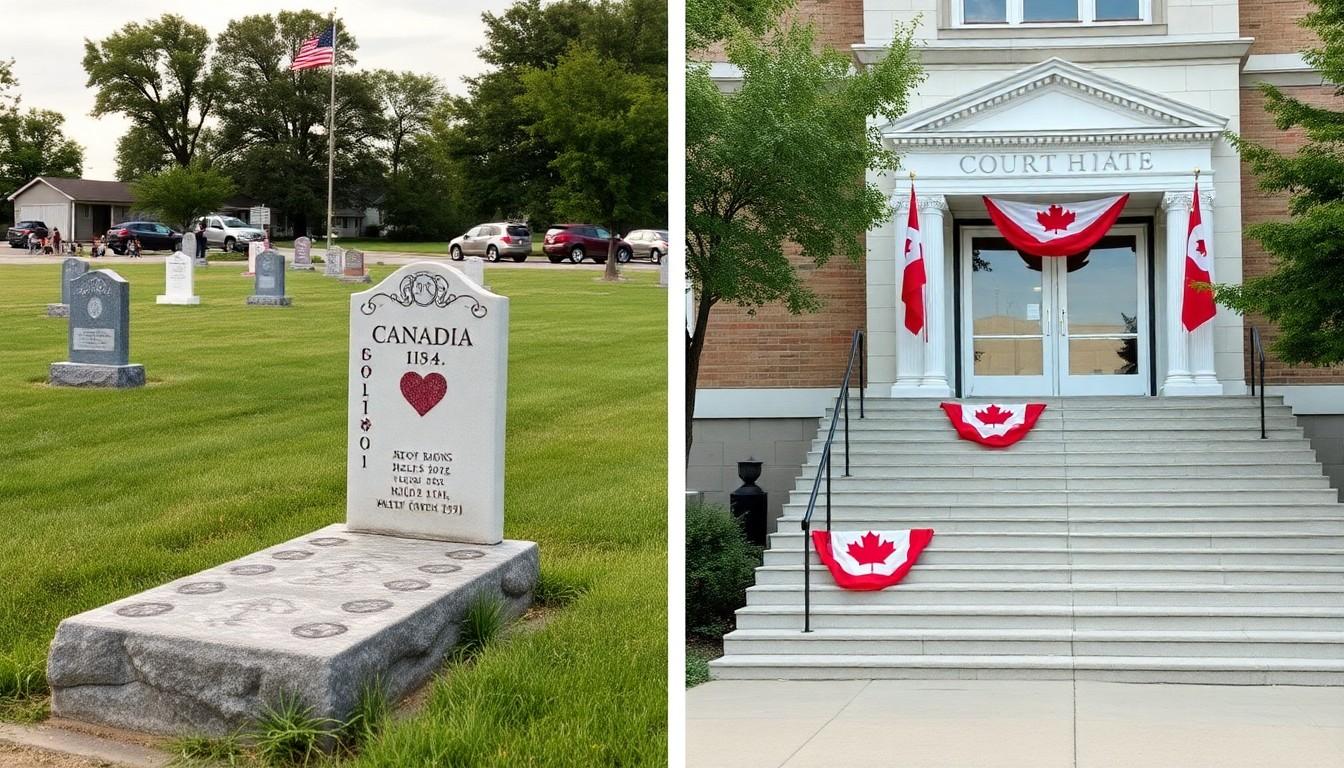
Notice how small acts , a decorated grave on a windswept Nebraska hill, a Canada Day learning at a friend’s deck, a Supreme Court ruling that lets people say “we” , can change how we feel about our countries; readers from the US and Canada share vivid, personal memories that show patriotism as care, inclusion, and listening.
Essential Takeaways
- White Buffalo Girl’s grave: a single, always-decorated marker in Laurel Hill Cemetery near Neligh, Nebraska, has become a quiet symbol of cross-cultural care and remembrance.
- Canada House moment: a Canada Day gathering where a First Nations dancer performed a smudging and explained regalia, turning a backyard party into a teaching and a welcome.
- Obergefell’s impact: the 2015 Supreme Court ruling widened the American “we,” making legal, emotional and practical space for same-sex couples and their families.
- Patriotism redefined: these memories show patriotism as active listening, protective promises, and expanding belonging , not blind celebration.
- Practical note: small, local acts , visiting a grave, attending a powwow, supporting equal-rights decisions , are concrete ways to live a more inclusive patriotism.
A grave that keeps a promise , why White Buffalo Girl still matters
The strongest image here is simple and sensory: a wooden cross, bouquets fluttering in the wind, a grave that never goes bare. That’s White Buffalo Girl’s resting place on Laurel Hill, just above the Elkhorn River, where townsfolk have kept a promise made 150 years ago. According to local history, Black Elk entrusted the care of his child’s grave to white neighbours when his people were forced to relocate, and the kindness has been honoured across generations. Discover Neligh and local museum records note this continued upkeep, and the effect is quietly moving , it smells like cut grass in summer and looks startling against the prairie. Visiting the site offers a way to confront painful history and see how ordinary people can choose compassion; if you go, bring flowers or simply stand in silence for a moment. It’s a reminder that remembrance can be a civic act, an everyday kind of patriotism.
How a backyard Canada Day became a classroom in humility and welcome
A suburban deck, burgers cooling, kids staring wide-eyed , it sounds ordinary until a guest from Eabametoong First Nation lays out regalia and begins a smudging ceremony. That’s what happened at a Canada Day gathering where hosts intentionally mixed celebration with learning. The regalia’s beads, feathers and sounds were described, the smoke smelled of sage and cedar, and a story of belonging unfolded in the open air. For settlers raised on tidy national myths, hearing those stories reshuffles how you think about pride. The Truth and Reconciliation Commission’s work has changed public conversations in Canada, and small, respectful encounters like this Canada House moment are where change becomes personal. Practical tip: if you’re invited to witness a ceremony, ask beforehand how to observe respectfully and what questions are appropriate , learning in public can be generous rather than performative.
When law becomes feeling: Obergefell and the widening of the American “we”
There are civic moments that make people cry in the car, and the Supreme Court’s Obergefell decision is one of them for many Americans. The image of a man on the Supreme Court steps, saying love is equal, captures how legal rulings can land as intensely personal validation. Reporting and legal commentary made it clear that the ruling did more than allow marriages; it opened access to taxes, hospital visits, parental rights and public dignity. For those who lived with exclusion, getting included was both bureaucratic and profoundly emotional , a practical change that also reshaped identity. If you want to support inclusion locally, that can mean backing legal clinics, volunteering at LGBTQ+ centres, or simply speaking up when exclusionary language pops up in your circle.
What these memories add up to: patriotism as care, not conquest
Across the stories you see a pattern: patriotism isn’t only flag-waving; it’s keeping a grave tidy, learning someone else’s story at a neighbour’s deck, or fighting for equal rights in court. Each memory reframes national pride as something you do with your hands and ears , tending, listening, defending. Histories of displacement and exclusion remain uncomfortable parts of national narratives, but these snapshots show how citizens can respond differently. For people wondering how to celebrate responsibly, smaller gestures , showing up, supporting restorative acts, learning the names and meanings behind cultural expressions , are where progress happens.
How to practise this kinder patriotism where you live
Start local. Visit a historic site and read its story before you go; ask a community group how you can help preserve a memorial; attend cultural events as a learner, not a photographer; donate to organisations working on reconciliation or equal-rights access. When you talk about your country, try replacing “we” with the more honest “we are trying,” and then follow it up with action. These practices aren’t dramatic, but they shift the tone of belonging from entitlement to responsibility , and that’s the sort of patriotism that lasts.
It’s a small change that can make every act of pride feel more honest and more durable.
Source Reference Map
Story idea inspired by: [1]
Sources by paragraph: