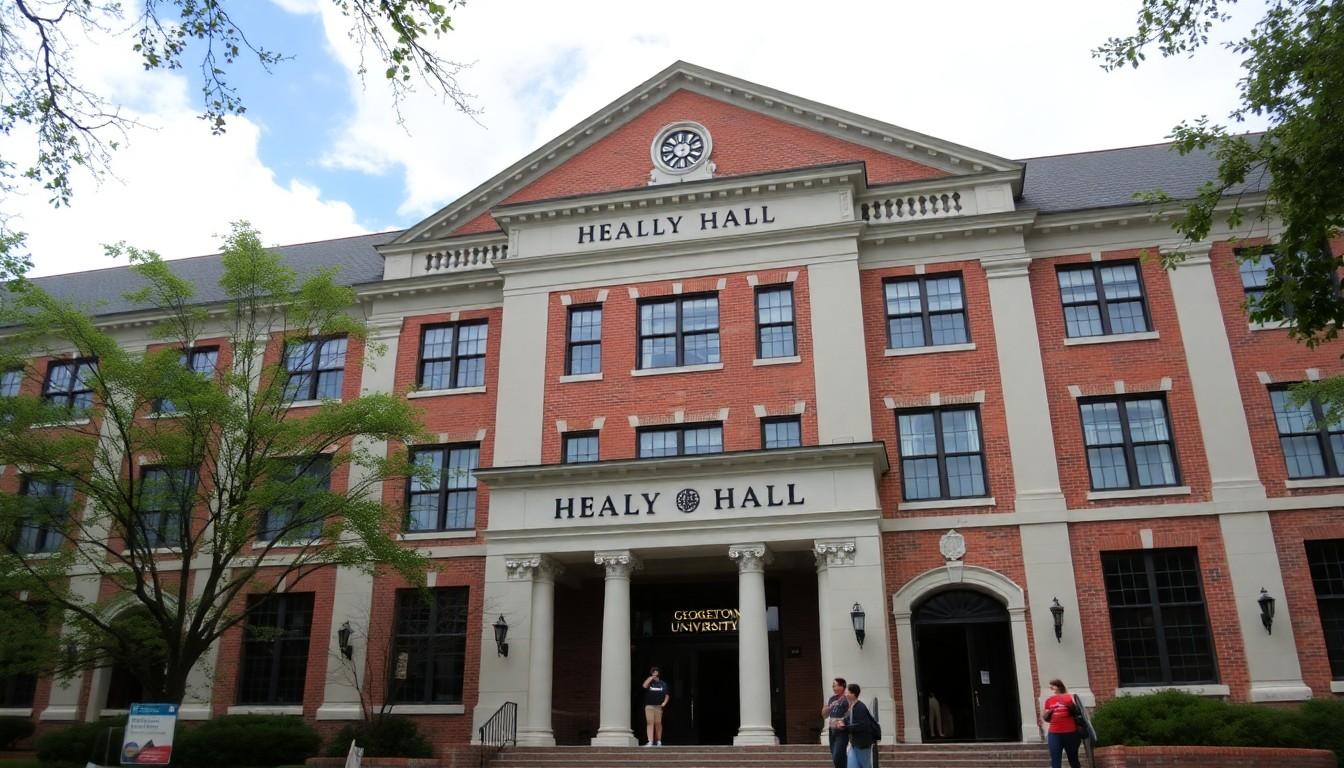
Shoppers are turning to fresh pastoral language , and so are parish leaders , after a spirited Outreach conference at Georgetown that urged pastors to prioritise care over judgment for LGBTQ+ Catholics. Over 450 attendees heard bishops, ministers and lay leaders map out practical, hopeful steps toward inclusion and sustained ministry.
Essential Takeaways
- Warm welcome first: Cardinal Robert McElroy urged pastoral outreach to begin by embracing people, not by opening with moral correction.
- Shift in focus: Recent Vatican signals and a Synod Study Group recommendation encourage less emphasis on sexual morality and more on pastoral care.
- Practical ministry: Leaders shared actionable tips , realistic goals, accountability, and taking ministries where they will be welcomed.
- Lived experience matters: Panels emphasised integrating sexuality, faith and daily life, with chastity discussed as one of several personal responses.
- Hopeful tone: Organisations like Outreach are doubling down on accompaniment and building communities where people feel known and loved.
A cardinal’s homily that reframes pastoral priorities
Cardinal Robert McElroy’s homily at the conference opened with a clear, human tone: pastoral care should start by meeting people where they are, with warmth and compassion. He argued that obsessing over sexual sin has distorted the Gospel’s call, and that pastoral practice must grow from the concrete situations people live in. According to the National Catholic Reporter’s coverage, he tied this change in approach to recent statements from the Pope and to a Synod Study Group report that both nudge the church toward mercy and accompaniment. For parish priests and lay ministers, the takeaway is simple , welcome, accompany, then invite deeper change.
Why Georgetown and Outreach matter for parish life
Outreach’s semi-annual conference, hosted at Georgetown University, brought together clergy, educators, families and artists to share ministry tools and testimonies. The event felt more like a working retreat than a lecture series, with practical workshops and candid panels. Outreach, founded by Father James Martin SJ and part of America Media’s apostolate, has become a key hub for people doing on-the-ground ministry. If you’re trying to start or sustain an LGBTQ+ ministry at your parish, the lesson from Georgetown is to build relationships first and find allies across roles.
Pastoral guidelines that start with relationship, not rules
Cardinal McElroy presented a pastoral method modelled on Jesus: first, embrace; second, help with immediate burdens; third, call to reform. Speakers echoed that sequence. Kerry Alys Robinson of Catholic Charities USA acknowledged institutional failures but urged people to keep working toward inclusion and the common good. That sequence changes the tone of conversations in parishes , instead of opening with doctrine, ministers are encouraged to listen, support, and then walk with people toward spiritual growth. Practically, that might mean offering listening sessions, accompaniment groups, or simply more visible signs of welcome.
Real-world ministry: tactics that actually work
Panels showed ministers swapping strategies that are low-cost and repeatable. Bill Chapman suggested not wasting energy trying to convert resistant parishes; instead, take ministry where it will be received and flourish. Joseph Schneider spoke about a “say-do” ratio , be honest about what your small ministry can realistically accomplish and then deliver. For volunteers and organisers, that means setting clear expectations, building sustainable programmes, and measuring impact in human terms: are people coming back, feeling known, and forming community?
Wrestling with chastity, identity and integration
A standout panel addressed how sexual ethics and lived identity intersect. Filmmaker Greg Krajewski referenced catechism paragraphs on chastity, asking how people can integrate sexuality with spiritual and bodily selves. The discussion wasn’t about providing one-size-fits-all answers; it was about acknowledging diverse experiences and offering pastoral accompaniment that respects conscience and context. For pastors, that means training in sensitive pastoral counselling and creating spaces where questions are explored, not shut down.
Where things might go next: accountability and hope
Speakers repeatedly linked hope to action. Leaders at Outreach urged accountability , hold church leaders to the promises they make about inclusion , while also cultivating sources of personal inspiration and moral courage. Conor J. Reidy, Outreach’s executive director, summed it up simply: do not be afraid. The conference suggested a slow, patient shift in many dioceses toward ministries that both welcome and challenge, carried out with humility and an eye for the long haul.
It's a small change in emphasis that can make pastoral ministry feel more human, hopeful and effective.
Source Reference Map
Story idea inspired by: [1]
Sources by paragraph: