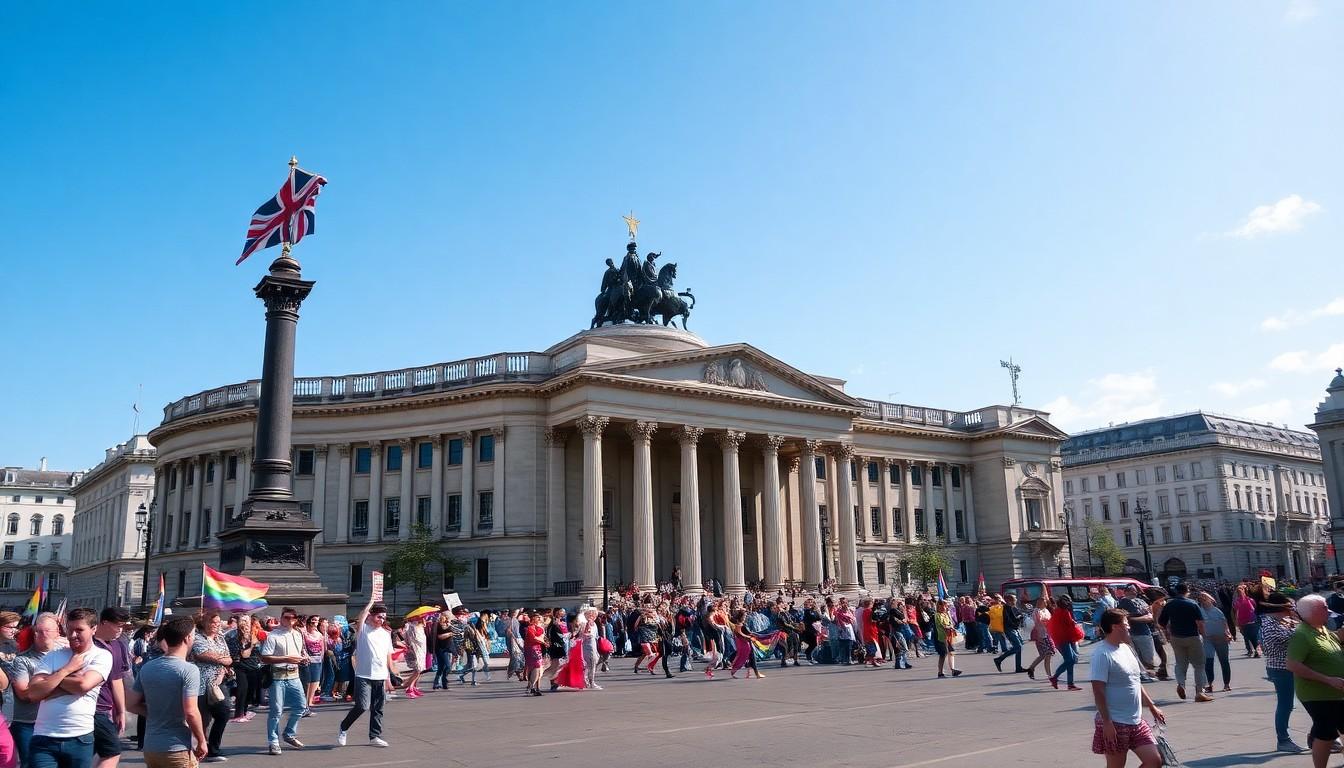
Shoppers, tourists and Londoners flocked into the streets as Pride in London 2026 turned the capital into a vivid celebration of the LGBTQ+ community, with thousands marching, headline acts in Trafalgar Square and a theme that asked everyone to stand together. Here’s what happened, why it mattered and what to remember next year.
Essential Takeaways
- Huge turnout: More than 35,000 marchers from about 600 groups took part, joined by hundreds of thousands of spectators lining central London.
- Route highlights: The parade moved from Hyde Park Corner to Westminster, passing Piccadilly Circus and Trafalgar Square , great for photos and people-watching.
- Star performers: Beth Ditto and MNEK headlined the Trafalgar Square stage; rumours about Madonna were denied by organisers.
- Theme and message: Pride 2026 centred on "An Alliance of Defiance", a call for unity and mutual support across the community.
- Practical vibe: The event was lively but well organised, with staged entertainment, public messaging and visible civic support.
Streets packed: what the turnout looked and felt like
The sight was unmistakable , a river of colour and banners weaving through central London, with crowds thick on pavements and bridges. According to official sources, tens of thousands marched while many more came to watch, creating an atmosphere that was both celebratory and unmistakably purposeful. Organisers had mapped the route to showcase landmarks, so the visual impact was amplified by Trafalgar Square, Piccadilly Circus and Westminster forming a dramatic backdrop. If you weren’t used to crowds, bring comfy shoes and plan meeting points next time; the pack moves slow and the energy keeps you on your feet.
Who led and who sang: the headline moments in Trafalgar Square
Pride’s main stage in Trafalgar Square hosted a mix of established and contemporary pop voices, with Beth Ditto and MNEK among the biggest draws. Their sets gave the day a high-energy soundtrack that connected the march’s messages to a wider cultural moment. Prominent civic figures, including the Mayor of London, were visible and vocal at the front of the procession, showing formal support for the event. And no, Madonna didn’t appear , organisers were quick to clarify amid online rumour, which is a reminder to treat social posts about surprise guests with healthy scepticism.
The theme: "An Alliance of Defiance" explained
This year’s motif framed Pride not just as a party but as a statement. "An Alliance of Defiance" invited solidarity across different groups and underlined the idea that celebration and activism often go hand in hand. Coverage and official guides explained how the theme was woven into programming, with speeches and banners reflecting calls for mutual support. The thread running through the day felt political in the best sense , loud, public and community-led , while also leaving room for the joy that keeps people coming back.
How the route and logistics kept things moving
Route planning matters, and Pride’s map , from Hyde Park Corner to Westminster , meant the parade hit recognisable London vistas that encouraged both local audiences and visiting photographers. Stewards and official communications kept spectators informed, and there were staged areas and entertainment hubs to break the day into manageable chunks. If you’re planning to attend another big parade, pack water, charge your phone and pick a crossing point in advance; it’ll save you from getting boxed in during the busiest stretches.
What this means for London and for Pride next year
The scale and tone of Pride 2026 signalled a resilient, visible celebration of queer life in the capital, balancing performance and protest. Coverage across outlets and official channels helped amplify the message, while the civic presence signalled ongoing municipal backing. Expect next year’s event to build on this momentum: more groups, fresh creative displays and the same mix of revelry and resolve. For attendees, the takeaways are practical , arrive early, choose a viewing spot and soak up both the music and the message.
It's a small change that can make every future Pride bolder and more inclusive.
Source Reference Map
Story idea inspired by: [1]
Sources by paragraph: