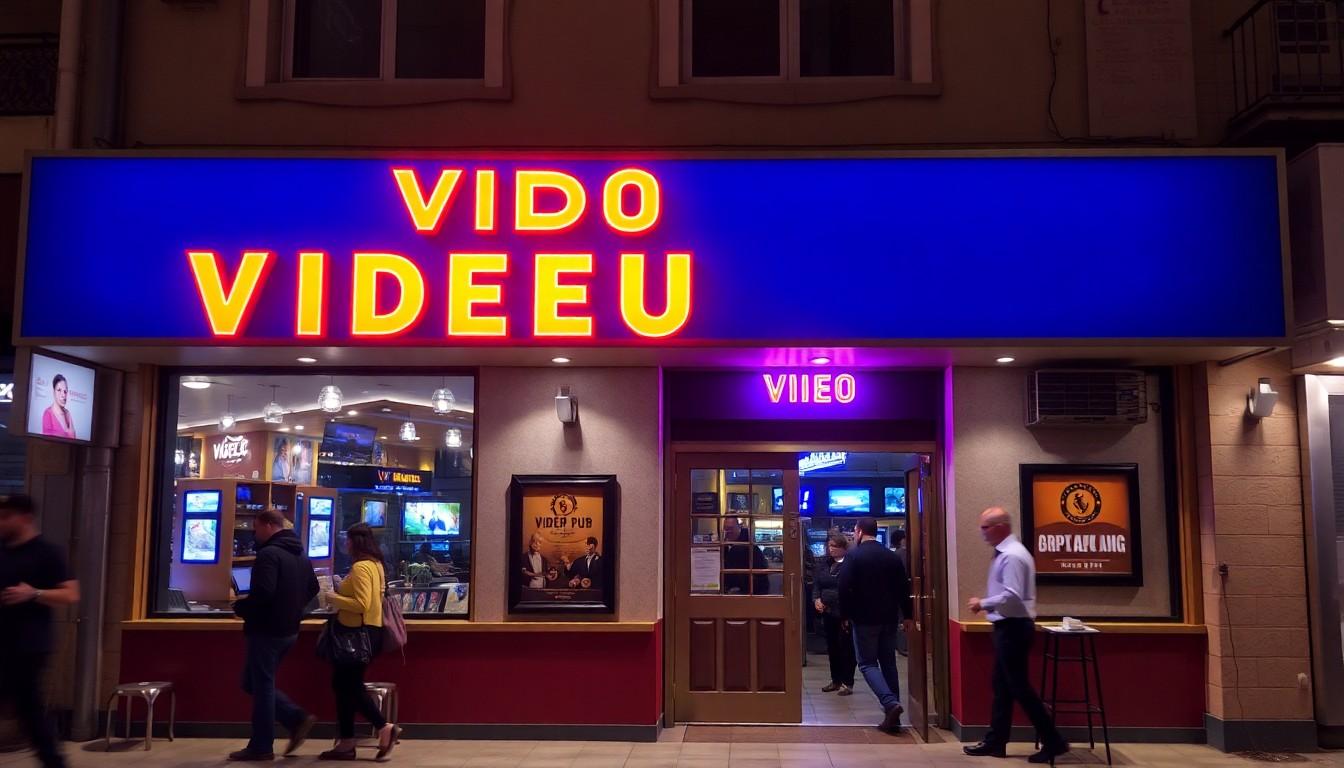
Shoppers and locals alike have watched Videopub, Jerusalem’s last dedicated LGBTQ venue, announce its closure , a small, defiant space where people could be themselves in a city shaped by religious conservatism. Here’s why the bar mattered, what’s changing, and how the community is responding.
Essential Takeaways
- Long-running safe space: Videopub served Jerusalem’s LGBTQ community for years, offering a warm, lively refuge in a conservative city.
- Cultural loss: Its closure removes one of the few physical spots where queer people could meet, dance and be visible.
- Owner’s decision: The proprietor cited changing times and pressures that made keeping the venue viable increasingly difficult.
- Community resilience: Supporters are organising meet-ups and alternative events, but many say nothing replaces a dedicated bar’s intimacy.
- Sensory memory: Regulars recall the bar’s cramped, loud interior, neon glow and the relief of being among friends.
An intimate refuge goes dark , what Videopub was like
Videopub wasn’t slick; it was compact, a little shabby and impossibly alive on weekend nights, with a warm, familiar noise that felt like permission to relax. According to local reports, for years it functioned as Jerusalem’s only dedicated LGBTQ bar, offering music, drag performances and a place to meet away from the watchful eyes of the city’s conservative neighbourhoods. Regulars remember the neon lights and the easy camaraderie, and many say they can’t imagine Jerusalem without it.
Why the owner says it’s time to close
The closure, announced publicly in recent coverage, was presented as a response to changing circumstances rather than a single headline-grabbing incident. The proprietor pointed to shifting social patterns, economic pressure and the difficulty of sustaining a small venue in a city where conservative values dominate public life. Industry observers suggest small nightlife venues everywhere are vulnerable to rising rents and changing leisure habits, and Videopub’s story fits that broader pattern.
What this loss means for visibility and safety
Physical spaces matter: they give a visible presence to communities and create a sense of normality. In Jerusalem, where many LGBTQ people live under pressure from family or faith communities, the bar served as a rare public arena for queer life. Its absence will be felt not only at weekend gatherings but in the slow, everyday affirmations of belonging that come from seeing other people like you in public. Community members are vocal about their concern that fewer dedicated venues mean fewer safe places.
How the community is trying to fill the gap
People aren’t simply accepting the loss. Local activists and patrons are arranging pop-up nights in cafés, shared apartments and alternative venues, and some are pushing for community centres to make space for queer programmes. These efforts are creative and warm, but organisers admit they’re not the same as having a permanent, licensed bar where drag shows and late-night conversations can happen without compromise. For now, Videopub’s regulars are trading one kind of intimacy for another , less private, more improvised.
Looking ahead: what keeps queer life going in Jerusalem
LGBTQ life in cities is resilient; it adapts, migrates and reinvents itself. While Videopub’s closing is a sting, it’s not the end of queer social life in Jerusalem. Activists, café owners and cultural organisers are already discussing longer-term solutions: safer public programming, legal protections for venues, and funding models that can support community spaces. Still, many say that nothing quite replaces the visceral comfort of a small bar where everyone knows your name and your story.
It’s a small change that will make a big difference to the people who needed Videopub most.
Source Reference Map
Story idea inspired by: [1]
Sources by paragraph: