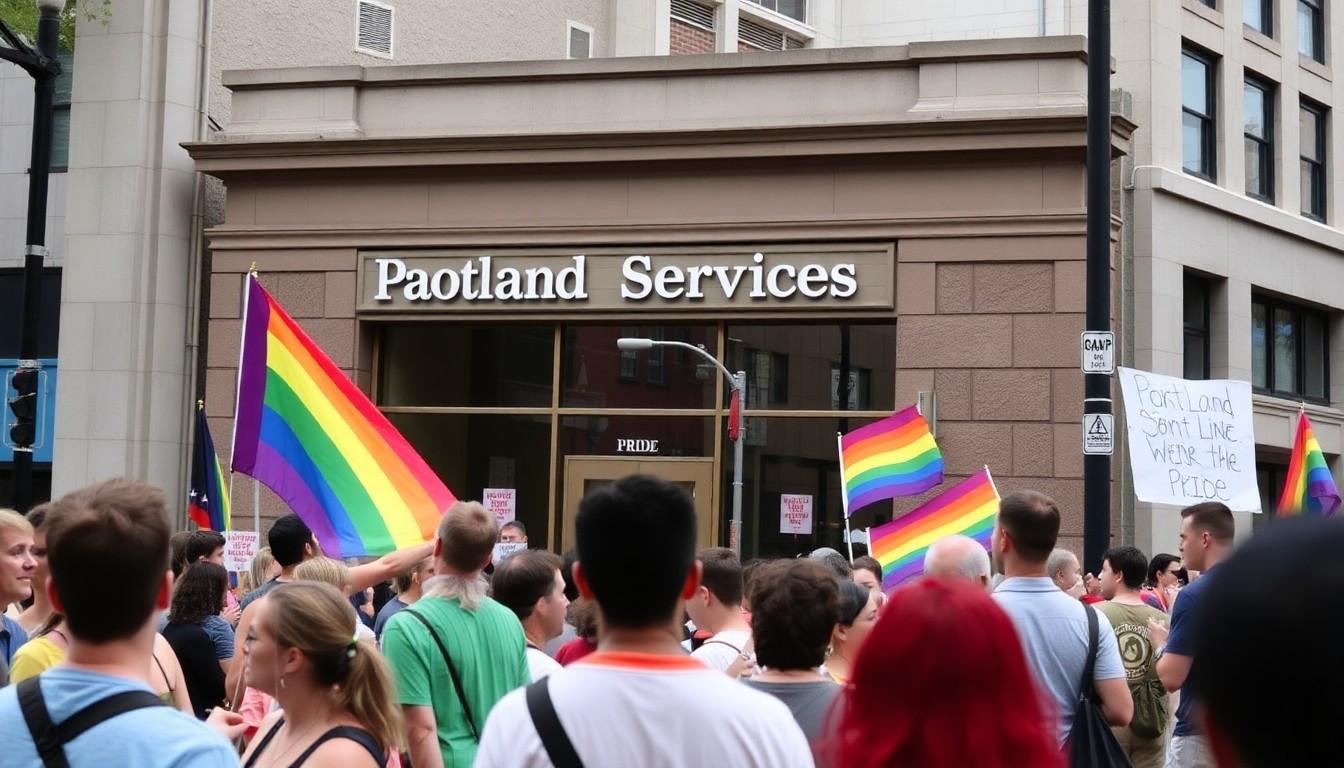
Shoppers are turning to symbols, but real support looks different , and it matters now. A Portland moment at Pride showed a candidate visibly backing transgender people, prompting a wider conversation about which politicians truly defend LGBTQ rights and why actions, not op-eds, matter.
Essential Takeaways
- Visible support matters: Marching with a transgender flag sends a clear emotional signal that a politician cares.
- Words versus votes: Public praise for gay rights can mask an absent record on bisexual and transgender protections.
- Political context: Party alignment and legislative history often determine whether support is durable or performative.
- Practical cue: Look for votes, sponsorships and consistent public defence of queer people, not just statements.
- Local energy: Pride events in places like Portland create spaces where authenticity is quickly tested.
Why a walk in Pride can mean more than a press release
Seeing a politician hold a trans pride flag at a parade feels simple and human , there’s a warmth to it, a photo you remember. It’s one thing to write flattering op-eds; it’s another to show up in public where queer people and their families are living their lives. Political gestures at community events send a sensory message: you’re welcome, you’re seen. Campaign literature can say anything, but marching in the sun, hand in hand, is harder to fake.
That visibility matters because, as recent local commentary points out, praise focused only on gay and lesbian rights can sideline the bi and trans communities. Voters and activists are increasingly asking whether support is comprehensive, durable and backed by votes and policy, not just friendly words. If you want to judge a candidate, watch where they stand when a bill affecting trans students or healthcare is on the line.
The gap between being “friendly” and being an ally
It’s easy to assume someone who says kind things is an ally; people do it all the time. But true allyship shows up in the record , votes, public defence against attacks, and proactive bills that protect the most vulnerable. A candidate might celebrate marriage equality but still sit on the sidelines when anti-trans laws surface. That’s where activists and everyday voters get cynical: the rhetoric doesn’t match the consequences.
So when you’re weighing endorsements or deciding who to back, look beyond feel-good op-eds. Check sponsorships, committee actions and whether the person has consistently opposed measures that strip rights from queer people. That’s a practical litmus test that separates symbolic gestures from real protection.
Why trans and bisexual protections are the litmus tests today
In the current political climate, policies targeting gender identity and expression have become a focal point for debate and legislation. That means support for gay and lesbian rights alone no longer guarantees safety for the wider LGBTQ+ community. Trans people, in particular, face targeted bans and restrictions that require active defence from elected officials.
For voters, this raises a simple question: would this politician risk their standing to block a measure that harms trans or bi people? If the answer is unclear, their “record” might not be the sort you want representing your community. Encourage candidates to clarify their positions, and demand concrete commitments like votes against discriminatory bills and backing for inclusive healthcare and anti-discrimination laws.
The local stage: Pride, optics and grassroots testing
Pride parades and local festivals aren’t just celebrations; they’re live auditions for public figures. When candidates walk the route, they’re being evaluated by people who will feel the impact of policy decisions in their schools, workplaces and hospitals. That’s why visible solidarity at events can be meaningful , it shows someone is willing to stand with the community when cameras aren’t the only audience.
At the same time, grassroots organisers and voters are savvy. They’ll note whether that same politician speaks up when their allyship is politically inconvenient. Grassroots pressure, sustained questioning, and follow-up after Pride are effective ways to turn a symbolic moment into tangible policy commitments.
How to tell genuine support from spin , practical tips
First, track votes and bill sponsorships; a reliable source is a legislator’s public voting record. Second, look for consistent public defence when anti-LGBTQ measures appear in the news. Third, check endorsements from local queer organisations , they often do the vetting others miss. Finally, keep an eye on how politicians talk about bisexual and transgender people specifically; silence there is telling.
If you’re organising or donating, ask candidates to sign specific pledges or commit to co-sponsoring protection bills. It’s a small administrative step but yields measurable accountability. And remember: sometimes the loudest signal is the simplest , showing up and speaking out when it’s hardest.
It's a small change that can make every public show of support count for something real.
Source Reference Map
Story idea inspired by: [1]
Sources by paragraph: