Discovering 2016’s standout LGBT films feels a bit like finding a vintage vinyl in a charity shop , familiar grooves, new depth. Film Daily’s pick of five titles , Moonlight, Spa Night, Viva, Suited and Kiki , shows why that year mattered for queer cinema and why these movies still repay repeat viewings.
Essential Takeaways
- Breakout crown: Moonlight became the first LGBTQ film with an all-Black cast to claim the top Oscar prize and shifted mainstream attention to intimate queer stories.
- Festival favourites: Spa Night and Kiki earned major festival recognition, offering tender, specific portraits rather than broad-stroke representation.
- Global stories: Viva brought Cuban drag life to international audiences, carrying Ireland’s Oscar submission hopes that season.
- Everyday politics: Suited uses tailoring and clothing to explore identity, showing how personal style can be quietly political.
- Lasting relevance: Themes of chosen family, economic precarity and self-invention keep these films resonant for younger viewers now.
Why Moonlight still feels like a revelation
Moonlight lands first for a reason: it’s hushed, tactile and emotionally precise, with scenes that linger in the chest long after the credits. The film follows Chiron across three life stages, each performance layered and restrained, and its quietness is part of its power. According to the Academy’s records, Moonlight won Best Picture, Best Supporting Actor and Best Adapted Screenplay at the 2017 Oscars, cementing its cultural impact. That sweep helped open doors for more nuanced Black queer stories in mainstream conversations, and retrospectives since have argued it reset expectations about what an awards-worthy queer drama could look like. If you’re watching now, pay attention to texture , the way light and sound build interior life.
Spa Night: intimacy, family pressure and a Los Angeles neighbourhood
Spa Night feels immediate because it roots a coming-of-age story in a very specific place: Koreatown, Los Angeles. The protagonist’s world is domestic and small , family meals, school corridors, the steamy quiet of a men’s spa , and director Andrew Ahn uses those details to explore shame, duty and desire. The film’s festival success , including the U.S. Grand Jury Prize at Outfest Los Angeles , showed how local specificity can deliver universal emotion. If you’re choosing which title to stream first, Spa Night works best on a screen where faces are close and the sound is warm; it rewards a slow, attentive watch.
Viva proves drag stories travel beyond club lights
Set in Havana, Viva centres on a hairdresser dreaming of dressing the city’s drag stars, but it’s never just spectacle. Paddy Breathnach frames drag as livelihood, aspiration and survival , and the film’s emotional core comes from the tug between creativity and economic constraint. Ireland selected Viva as its entry for the Best Foreign Language Film race, highlighting how national cinemas can embrace queer stories that feel both local and global. Watch for the film’s soulful moments and its unflashy portrait of mentorship and family, where costume and courage share equal billing.
Suited shows political power in a tailor’s measuring tape
Suited is deceptively simple: a documentary about a Brooklyn tailor making bespoke clothes for gender-nonconforming clients. But it quickly becomes a study of identity, dignity and the small rituals that make people feel like themselves. Producer Lena Dunham noted how conversations about clothes inevitably turn into conversations about politics , and Suited proves that point without sloganeering. It’s an excellent pick if you want a short, affecting film that makes a point through people’s daily choices rather than manifestos. Practical takeaway: if clothes help someone feel seen, that’s a political act in itself.
Kiki keeps ballroom culture alive and urgent
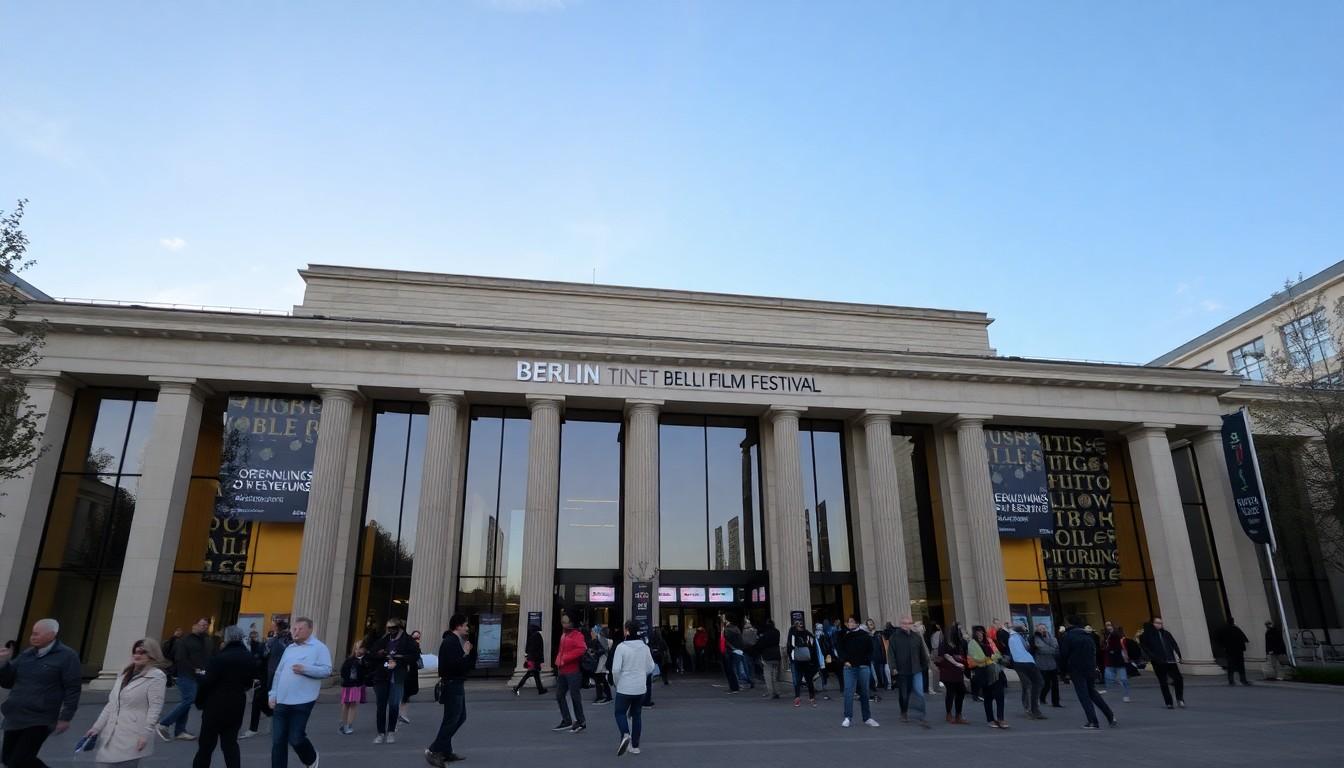
Kiki picks up the thread from earlier ballroom documentaries and brings the scene into a present-day moment of activism and resilience. The film documents houses where queer youth of colour fashion chosen families, rehearse voguing and debate how to survive amid homelessness and healthcare gaps. Winning a Teddy Award at Berlin signalled its international resonance, but Kiki’s real strength is its immediacy , the music, the moves, the banter, and the hard truths beneath the choreography. For contemporary viewers, it’s both a celebration and a call to action: these are communities that party to survive and organise to change conditions.
How 2016 shifted the queer film landscape
Taken together, these five titles show a year when indie intimacy and international voices forced a rethink about what queer cinema could be. Moonlight’s awards success contradicted the idea that LGBT films had no breakout potential, while Spa Night, Kiki and Suited proved that festival life can translate into lasting cultural influence. Viva added a cross-border perspective, reminding audiences that drag and queer longing are global languages. If you’re mapping modern queer film, start with these five and follow the threads to newer works that owe them a debt.
It’s a small cinema habit that pays off: revisit these films and you’ll spot how clothes, community, family and light make identity visible.
Source Reference Map
Story idea inspired by: [1]
Sources by paragraph: