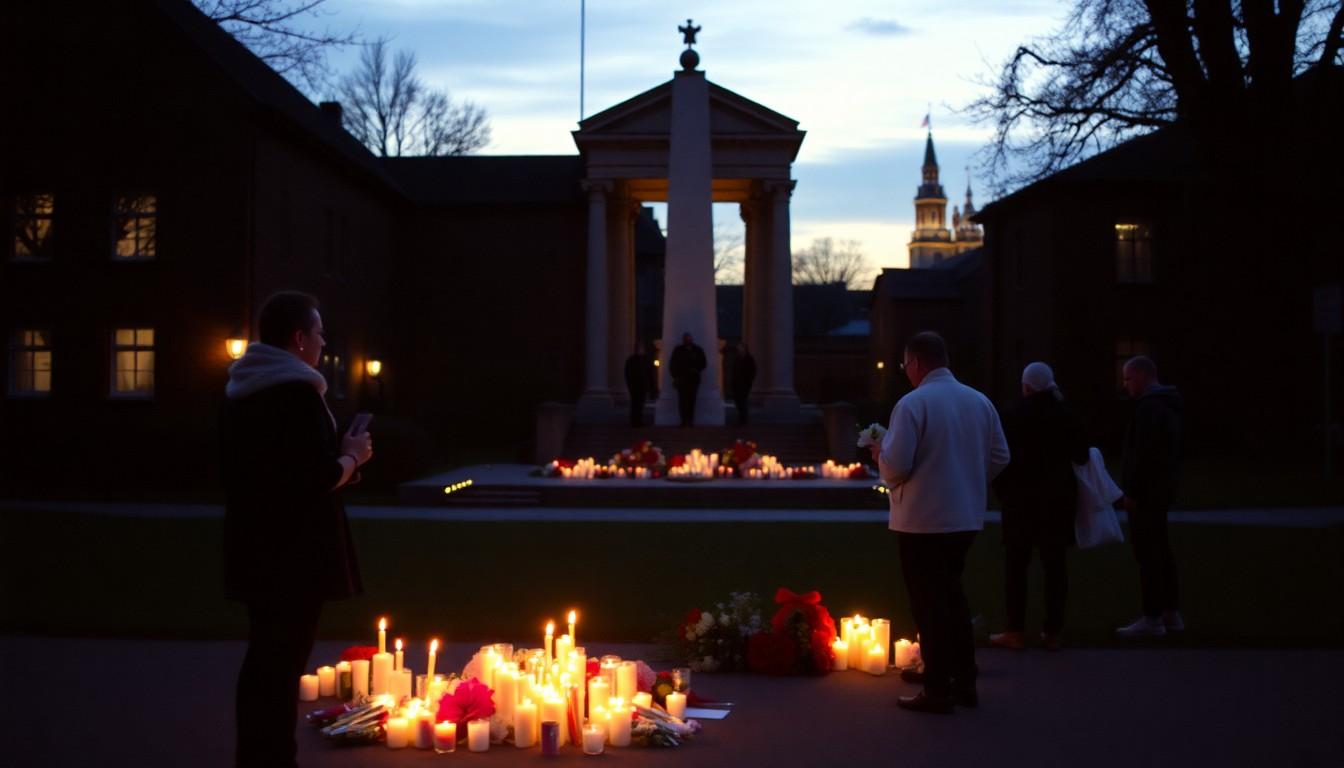
Remembering matters: communities are gathering in Knowsley on Sunday 2 August for a vigil to mark the death of 18-year-old Michael Causer, a moment that helped reshape Pride in Liverpool and still speaks to rising hate-crime figures today. The event opens Knowsley Pride week and is open to all.
Essential Takeaways
- When and where: The vigil takes place at 6pm on Sunday 2 August at the Courtyard, Court Hey Park, Knowsley.
- Why it began: Michael Causer, an 18-year-old gay man, was fatally beaten after a house party in July 2008; his death helped spark the revival of Liverpool Pride in 2010.
- Community tone: The ceremony is a calm, reflective gathering, safe, inclusive and intended for collective remembrance.
- Context: Home Office figures show hate crimes motivated by sexual orientation and gender identity have risen significantly in recent years, reinforcing the vigil’s relevance.
- Legacy: Michael’s family and local leaders keep his memory alive as both tribute and call to action for inclusion.
A candlelit reminder that grief can become movement
The strongest image is simple: a quiet group standing together at dusk, candles flickering, faces steady with memory. That scene in Knowsley has become a ritual since 2008, a way to turn anger and loss into public solidarity. According to local organisers, the vigil has always been intended as a safe space for reflection and solidarity, marking the start of Knowsley Pride week and drawing people from across the region. For many, attending feels less like protest and more like communal care, an annual heartbeat that refuses to let a life be forgotten.
How a single tragedy helped reboot a city’s Pride
Michael Causer’s death in the early hours of 25 July 2008, after a brutal attack at a house party, landed hard in Liverpool. Reporting at the time traced not just one crime but a climate of hostility that left the lesbian, gay, bisexual and trans community shaken. The outrage and grief that followed helped spur the return of Liverpool Pride in 2010 after a long absence, showing how community response can change the civic calendar. Today, the vigil is both memorial and origin story , a reminder that Pride can be born from refusal to be silenced.
Numbers that make the vigil feel painfully current
This year’s gathering comes against a backdrop of worrying statistics: recorded hate crimes motivated by sexual orientation and trans identity have climbed in recent years. Those figures underscore why a small local vigil still has national resonance. Local council leaders and charity bosses highlight the dual purpose of remembrance and raising awareness: it’s a moment to honour Michael and to draw attention to how much work remains to make public life safe for everyone.
What to expect if you go , practical notes and tone
If you plan to attend, expect a short, respectful ceremony with space for quiet reflection and community messages. The venue is the Courtyard at Court Hey Park, an accessible outdoor spot that suits the event’s intimate, contemplative tone. Organisers usually ask visitors to be mindful: keep the atmosphere calm, follow steward guidance, and be ready for a mixture of speeches, silence and simple acts of tribute. It’s a low-key way to show support without needing to perform.
The human side: family, leaders and a community that remembers
Michael’s parents have kept his memory at the heart of local Pride, bringing photos and T-shirts to events and speaking openly about what he might have loved about today’s festivals. Local councillors describe the murder as a wound that still feels raw, and they use the vigil to reassert a message of inclusion across Knowsley. For many attendees, the act of gathering is both tribute and quiet defiance: a way to say that lives taken for being themselves will be remembered, and that communities will keep working for change.
It's a small act that keeps a name alive and keeps the conversation going.
Source Reference Map
Story idea inspired by: [1]
Sources by paragraph: