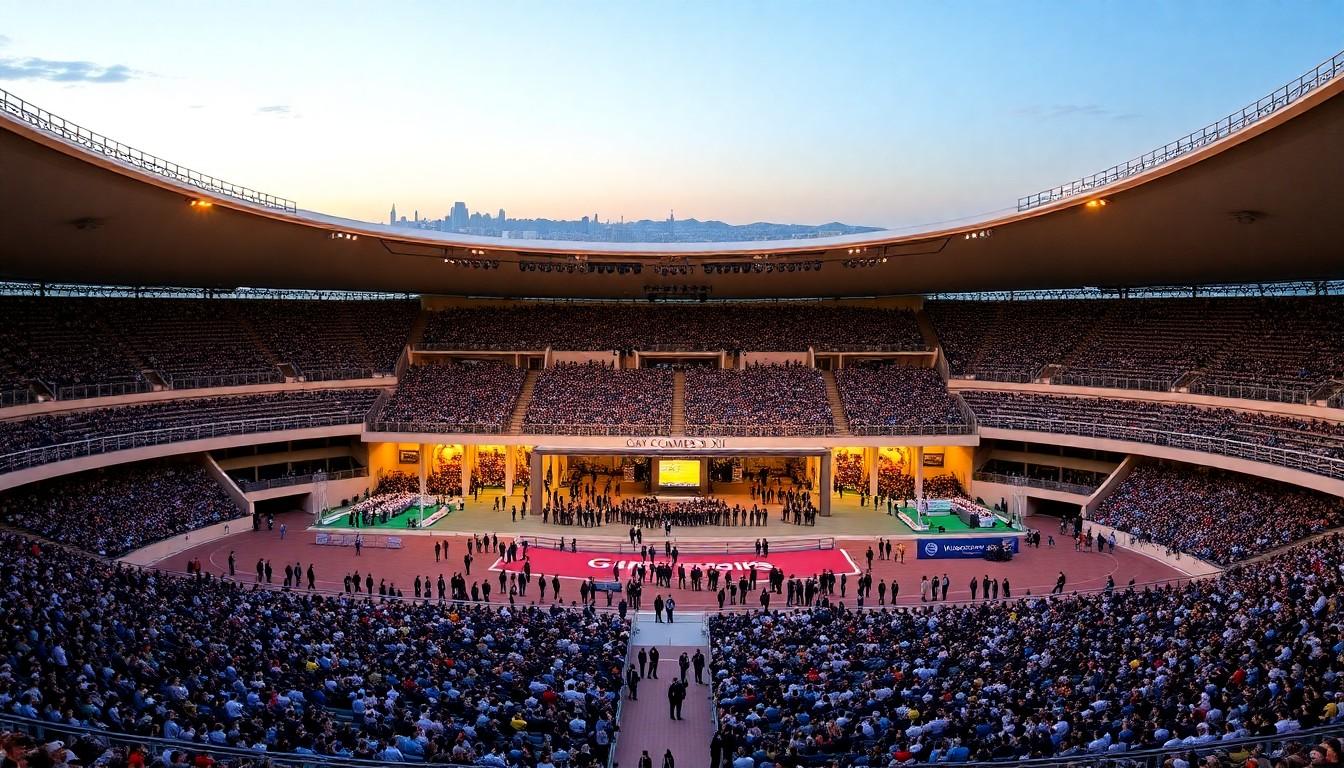
Shoppers are turning to post-Games chatter: Valencia’s Gay Games arrived with high hopes but mixed reception, as athletes brought joy while local groups staged a boycott; here’s what unfolded, why it matters and what fans should know before the next international LGBTQ multisport event.
Essential Takeaways
- Mixed welcome: City banners and visibility were limited, and some local LGBTQ organisations publicly distanced themselves from the Games.
- Athlete energy: Thousands of competitors and supporters kept spirits high, with colourful crowds, raucous social scenes and inspiring comeback stories.
- Logistical hiccups: Accreditation queues, scattered meeting hubs and daytime scheduling in intense heat frustrated many attendees.
- Political backdrop: Protests and graffiti highlighted tensions over trans rights, gentrification and perceived pinkwashing.
- Bright spots: High-attendance, air‑conditioned events like dancesport and heartening team wins provided memorable moments.
Why Valencia seemed half-ready , and what that felt like on the ground
Stepping off the train or into Valencia Airport, visitors expected festival flags and a big-city welcome, but found a quieter, more ambivalent city centre. The lack of prominent Gay Games signage created a low-key arrival that felt odd after the fanfare of a four‑year bid campaign.
Local groups had reasons to pull away: political disputes and a feeling that large events can mask ongoing local struggles. According to coverage in Outsports, organisers’ “welcome with open arms” didn’t quite translate into street-level visibility. For attendees, that contrast between expectation and reality was one of the first and most tangible impressions.
Practical note: if you’re heading to a future Gay Games, don’t assume the host city will feel like a nonstop pride party. Check official meeting points and transport links before you travel.
Athletes turned up the volume , queer joy amid the chaos
If the city’s welcome was muted, the athletes were anything but. Competitors carried the atmosphere, filling venues and beaches with colour, camaraderie and late-night laughter. Many said simply being able to compete openly was the point , especially those from places where being LGBTQ is dangerous or illegal.
Outsports reported scenes from dancing cha‑chas to a famous “pink flamingo” swimming gala finale that underlined the event’s playful side. For many participants, the Games were less about flawless logistics and more about belonging and visible pride in sport.
If you want the spirit of the Games, follow the athletes’ social feeds , that’s where the best photos and stories live.
Organisational bumps: queues, heat and a quiet Meeting Point
Not everything ran smoothly. Long queues at the accreditation hub, registration pains, and a Meeting Point that was out of the way left some attendees frustrated. Scheduling many competitions in the heat of the day , what locals jokingly called “el infierno” , meant athletes competed under sweltering conditions while evenings were left for socialising.
There were also warnings about scammers in unofficial groups and reports of over-priced official merchandise. Still, air‑conditioned venues such as the old basketball arena proved that comfort and crowd turnout go hand in hand.
Tip: pack for the weather, arrive early for accreditation, and vet accommodation and social groups through official channels.
Protest, graffiti and politics: a reminder that sport isn’t separate from society
Not all dissent was subtle. Demonstrations, anti‑Games graffiti on a new mural and reports of tampering with rental lockboxes sent a clear message: parts of Valencia’s queer community were unhappy. Protesters pointed to concerns about local policy, trans rights and gentrification, and accused the Games of pinkwashing.
The tension underlines a wider debate about big international events: they can spotlight inclusion, but also obscure persistent local issues. Outsports’ reporting shows both sides , organisers who hoped the Games would unite, and locals who felt excluded or disagreed with the approach.
For future hosts, engagement with grassroots groups early and meaningfully isn’t optional; it’s essential.
Winning moments and lasting memories , why the Games still mattered
Despite setbacks, the human stories were powerful. Teams triumphing after national trauma, athletes returning to sport after long absences, and trans and nonbinary competitors finding visibility all made headlines and social posts. The Games’ core promise , a global queer sporting community , was delivered in spades.
Fans and athletes alike left Valencia exhausted but inspired, sharing images and memories that will keep the event alive online until EuroGames Cardiff and Gay Games XIII in Perth. The takeaway is simple: even imperfect, these gatherings fill a real need for connection.
If you missed Valencia, plan early for Cardiff and Perth , the demand hasn’t gone away.
It's a small change that can make every Games safer and more inclusive for everyone.
Source Reference Map
Story idea inspired by: [1]
Sources by paragraph: