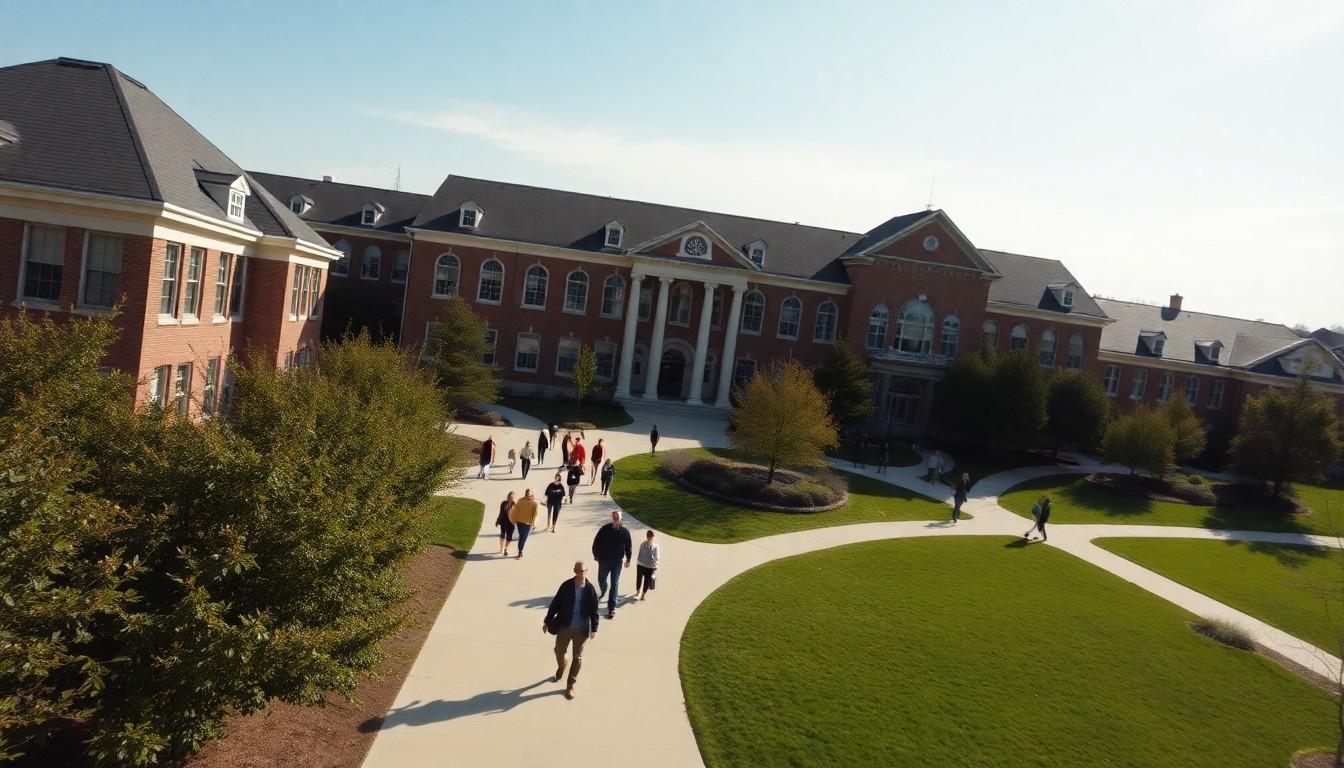
Shoppers for a welcoming campus are turning to data , students and families want clear signs that a college or parish will respect LGBTQ people. New research maps which Catholic colleges and universities and parishes are most likely to offer inclusive policies, groups and support, and why it matters for choosing where to study or worship.
Essential Takeaways
- Widespread non-discrimination: About 87% of U.S. Catholic four‑year colleges list sexual orientation protections and roughly 68% list gender identity protections on their websites.
- LGBTQ student life visible: 58% of those 201 institutions officially recognise LGBTQ student groups or gay‑straight alliances as of 2022, with larger schools more likely to do so.
- Religious orders lead: Colleges run by religious orders , especially Jesuit, Lasallian and Mercy institutions , are significantly more likely to adopt welcoming policies.
- Regional and size differences: Schools outside the South and those with bigger student bodies tend to have more LGBTQ resources and resource centres, and urban parishes run by religious orders are likeliest to be publicly LGBTQ‑friendly.
Why this research matters now: a social shift that's both legal and cultural
The arc of public opinion and the legal landscape has changed dramatically over recent decades, which helps explain why more Catholic institutions are opening doors. Supreme Court rulings and civil‑rights shifts normalised equal marriage and anti‑discrimination principles, and that legal backdrop makes inclusive policies both plausible and popular. Readers will notice this as a quieter cultural hum on campus: more student groups, clearer policies and a friendlier reception at campus events.
What the data actually shows about campuses
Researchers analysed the websites of 201 U.S. Catholic four‑year colleges and universities in 2019 and again in 2022, looking for LGBTQ groups, resource centres and explicit nondiscrimination language. The headline figures are encouraging: most colleges now list sexual‑orientation protections and two‑thirds acknowledge gender identity in policy. Still, only around three in five officially list LGBTQ student groups, and formal resource centres remain less common , especially at smaller schools.
Why religious orders matter: mission, independence and social justice framing
One of the clearest patterns is institutional sponsorship. Colleges affiliated with religious orders , think Jesuit, Lasallian and Mercy schools , are far more likely to adopt LGBTQ‑affirming policies. That makes sense: many such orders have explicit social‑justice missions and enjoy more autonomy from a local bishop, letting them interpret pastoral outreach in ways that emphasise accompaniment and inclusion. For prospective students seeking a Catholic setting that also affirms LGBTQ identity, looking at a school’s sponsor is a quick, practical tip.
Size, place and parish life: where LGBTQ Catholics find more enthusiastic welcome
Size and region matter, too. Larger campuses and institutions in the Northeast, West and Midwest report higher rates of LGBTQ groups and resource centres than smaller or Southern schools. The same pattern shows up for parishes: urban churches and those administered by religious‑order priests are disproportionately represented among the parishes listed as LGBTQ‑friendly by advocacy groups. If you’re scouting for a welcoming parish or campus ministry, aim for urban centres and institutions with order sponsorship.
How to use these findings if you’re choosing a college or parish
Start with the website: look for explicit nondiscrimination policies that include both sexual orientation and gender identity, and check for recognised LGBTQ student organisations and resource centres. Ask admissions or campus ministry about pastoral care for LGBTQ students and whether the school participates in external mentoring or advocacy networks. For parish‑seekers, local diocesan listings and national directories can help locate congregations that make their outreach public and active.
It's a small change that can make every welcome feel a lot more secure.
Source Reference Map
Story idea inspired by: [1]
Sources by paragraph: