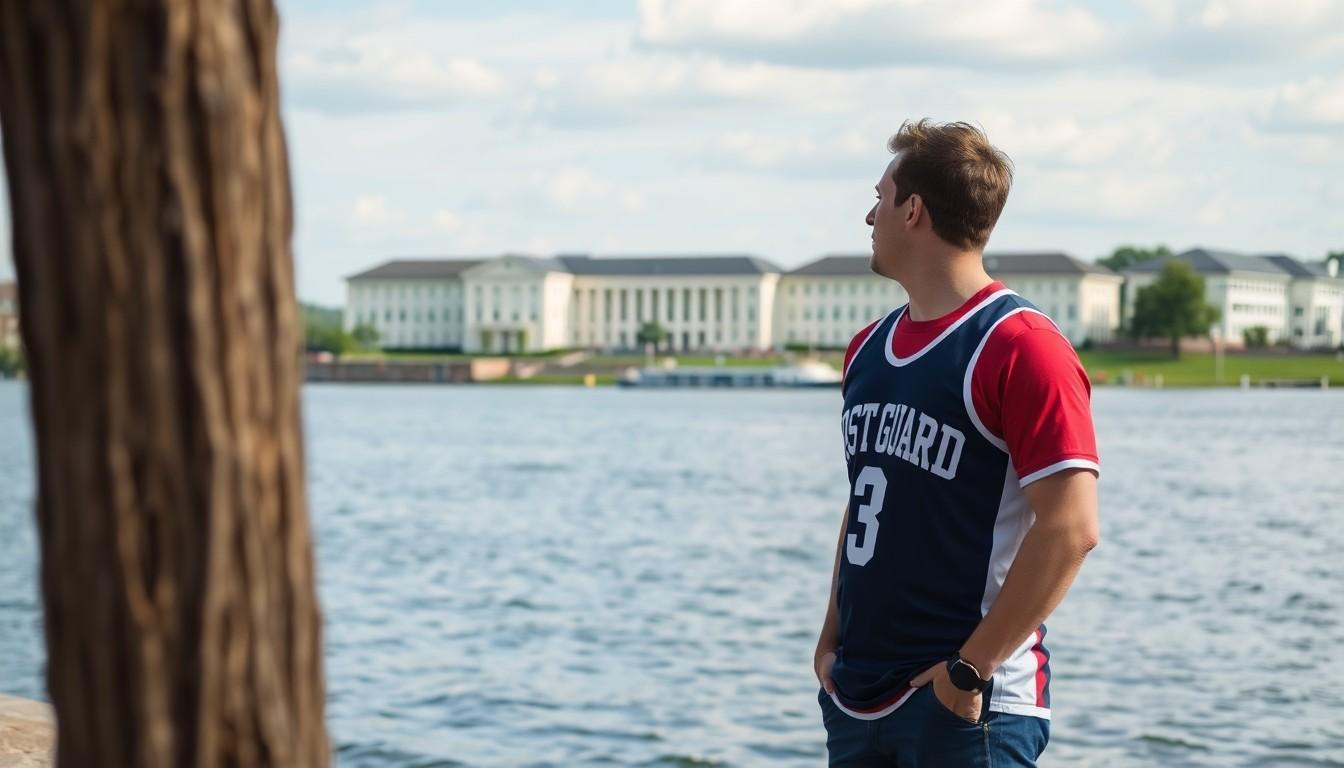
Shoppers are turning to stories of courage in sport , John Olbrys’s account of rowing at the Coast Guard Academy during Don’t Ask, Don’t Tell shows why it matters. He recalls secrecy, small queer networks, and how rowing eventually became a place for love and competition that mattered to him and others.
Essential Takeaways
- Hidden identity: Olbrys rowed at the Coast Guard Academy while Don’t Ask, Don’t Tell made being openly gay a career risk, so he kept his sexuality private from teammates.
- Quiet networks: He and other LGBTQ service members formed a low-key underground for support, meeting quietly and trading trust like a lifeline.
- Life after DADT: After graduating near the policy’s end, Olbrys continued serving, faced deployments that complicated relationships, and later settled in Washington, D.C.
- Rowing as refuge: Potomac Boat Club and gay regattas offered competition and community, and Olbrys has raced toward ambitions including U.S. trials.
- Accessible story: You can hear his full conversation on the Five Rings To Rule Them All podcast across major platforms.
A tough era, and a quiet endurance
The opening fact is simple and sharp: Olbrys was a competitive rower when Don’t Ask, Don’t Tell governed service life, and that made honesty dangerous. He describes an atmosphere of fear that dulled daily life, a sort of low hum you could feel before practice, where every look and every joke had weight. According to Outsports, that meant keeping parts of himself private from the very people he trained beside.
The backstory matters because it explains how and why small, secret communities formed inside the military. Harvard Gazette and other outlets have chronicled how service members learned to compartmentalise identities under DADT, and Olbrys’s story fits that pattern , creating friendships with fellow queer cadets while hiding from the wider squad. It’s a reminder that bravery in sport isn’t only physical.
How teammates became strangers you trusted and feared
Behind the oars there was trust, but also calculated silence. Olbrys says he had friends at the Academy who knew he was gay, but he couldn’t risk telling teammates beyond that circle. That tension , wanting intimacy but fearing expulsion , changed how he navigated friendships and romance. Outsports reports he weighed every conversation for safety.
This created a peculiar social life: close bonds in secret, routine distance in daylight. For anyone choosing a team sport today, the practical insight is clear , look for allies, check how teams respond to diversity, and remember that group culture shapes what you can safely share.
From academy to deployments: relationships on hold
After graduation and with DADT ending, Olbrys stayed in the Coast Guard. Deployments, he says, often disrupted long-term relationships, another common theme for military athletes. Service life required frequent moves and long absences, so even after legal barriers fell away, practical barriers remained.
This is where rowing’s stability helped. Clubs like Potomac Boat Club gave him continuity , a place to train and to meet people outside of duty. For readers, the takeaway is pragmatic: if you’re balancing service or a demanding job with sport and relationships, local clubs can be anchor points.
Finding community on the water: gay regattas and Potomac life
Rowing didn’t just stay competitive; it became social. Olbrys turned to gay regattas and the Potomac Boat Club, enjoying events that were competitive but also inclusive and fun. USRowing listings and podcast appearances show he’s competed in beach sprints and aimed for the U.S. Olympic Team Trials, so his ambitions stayed sharp even as his personal life settled.
For queer rowers or newcomers, the tip is to try both mainstream and LGBT-focused events , the vibe can be very different, and gay regattas often blend serious racing with a festive, accepting atmosphere.
Voices, podcasts and why the story still resonates
You can listen to Olbrys discuss this on the Five Rings To Rule Them All podcast, available on platforms like Spotify and Apple Podcasts, where he unpacks both the personal and competitive sides of his journey. Outsports republished the interview as part of a Pride Pioneer series, underscoring why these first-person accounts matter: they put human faces on policy and sport.
Looking ahead, his story is hopeful. He found love with his partner Dave, and he keeps racing. That arc , from secrecy to community, from fear to belonging , is part of a broader sports history where policy and people meet on the water.
It's a small change that can make every outing feel safer and more honest.
Source Reference Map
Story idea inspired by: [1]
Sources by paragraph: