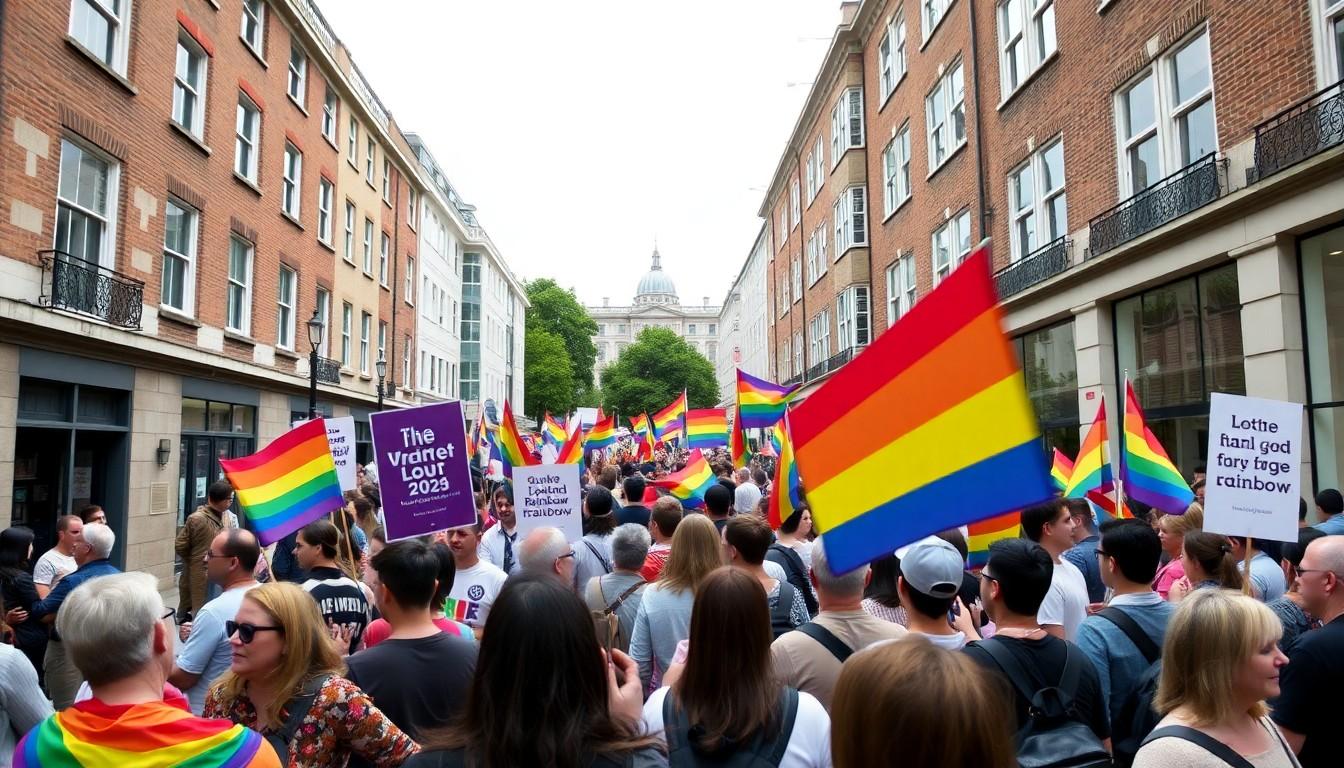
Shoppers and marchers alike turned out in force for Pride London 2026, with community groups, faith organisations and colourful corporate contingents mixing on the route , and Quaker Rainbow particularly visible as they marched, banner first, reminding everyone why inclusion still matters.
Essential Takeaways
- Visible Quaker presence: Quaker Rainbow marched together, carrying banners and messages that emphasised spiritual welcome and LGBT+ inclusion.
- Strong trans solidarity: Trans flags and pro-trans placards were prominent, creating a vivid and proud visual thread.
- Faith groups joining in: Several Christian and other faith contingents appeared supportive, while some counter-demonstrators remained on the edges.
- Corporate and charity participation: From broadcasters to wildlife trusts, big names were present, adding spectacle , and sparking mixed reactions.
- Friendly festival vibe: Stands, volunteers and spectators contributed to a lively, family-friendly atmosphere with plenty of colour and costumes.
Marching with a message: Quaker Rainbow stood out
London’s Pride route felt open and immediate this year, with a steady hum of voices and a soft, communal warmth that came from groups walking together. Quaker Rainbow’s banner , “Quakers seek God in everyone” , cut through the colour and felt quietly firm rather than flashy. Their presence was a reminder that religion and queer identity aren’t mutually exclusive, and that solidarity can be calm and determined.
Organisations like Quaker Rainbow have been planning and attending Pride events for years, using marches both to celebrate and to witness. If you’re thinking of joining a faith-affiliated group next time, the mood tends to be welcoming, low-key and conversation-friendly , ideal if you prefer marching with a reflective but proud crowd.
Trans visibility was unmistakable
One of the clearest shifts this year was the sheer number of trans flags and pro-trans placards. Statements such as “Feminism that does not include trans women is bigoted not radical” were visible, and that clarity of purpose changed the tone. The march felt explicitly protective and celebratory for trans communities, not just broadly festive.
This isn’t an isolated trend; queer groups across the UK have been amplifying trans voices for several seasons. If you’re attending Pride and want to show support, look for official guidance from groups like Quaker Rainbow and local queer organisations about respectful allyship, and consider where to stand to amplify those voices safely.
Faith on the march: allies and dissenters
It was heartening to see a variety of Christian and other faith contingents joining the parade, waving placards or standing in support. Their presence helped dissolve that old stereotype of religious opposition, while also making space for people whose spirituality and queer identity overlap.
That said, counter-demonstrators still appeared at points along the route. Marches can be visually and emotionally intense, so plan for that , pick a comfortable watching point, arrive with friends and keep an eye on stewards and volunteer helpers if you want a calm slice of the action.
Corporates, charities and the carnival of colour
Big names were out in force this year, from broadcasters to trusts and transport partners , even the buses looked like they’d been painted for the occasion. Corporates add scale and spectacle, and they often bring resources and staff volunteers that help Pride feel like a proper festival.
But corporate presence divides opinion. For some, it’s an opportunity to normalise queer life in mainstream workplaces; for others, it feels like branding riding on grassroots activism. If you’re choosing which stalls to visit, mix official sponsors with smaller community groups , you’ll get a better sense of the movement’s diversity and maybe find meaningful ways to support activists directly.
Stalls, spectators and the small moments that matter
Beyond the march itself, stands and volunteers provided a cheerful backdrop , families, costume-clad spectators, and small interactions that make Pride feel human. Little placards with witty lines, friends making signs, and even a calming banner or two helped people process strong feelings and enjoy the day.
If you go next time, carry water, wear comfortable shoes and scout the quieter gathering points like faith group tents or community stalls. They’re great places to learn about volunteering, upcoming meetings or residential weekends for queer Quakers and other groups who want sustained connection beyond Pride.
It's a small change that can make every march feel more welcoming and meaningful.
Source Reference Map
Story idea inspired by: [1]
Sources by paragraph: