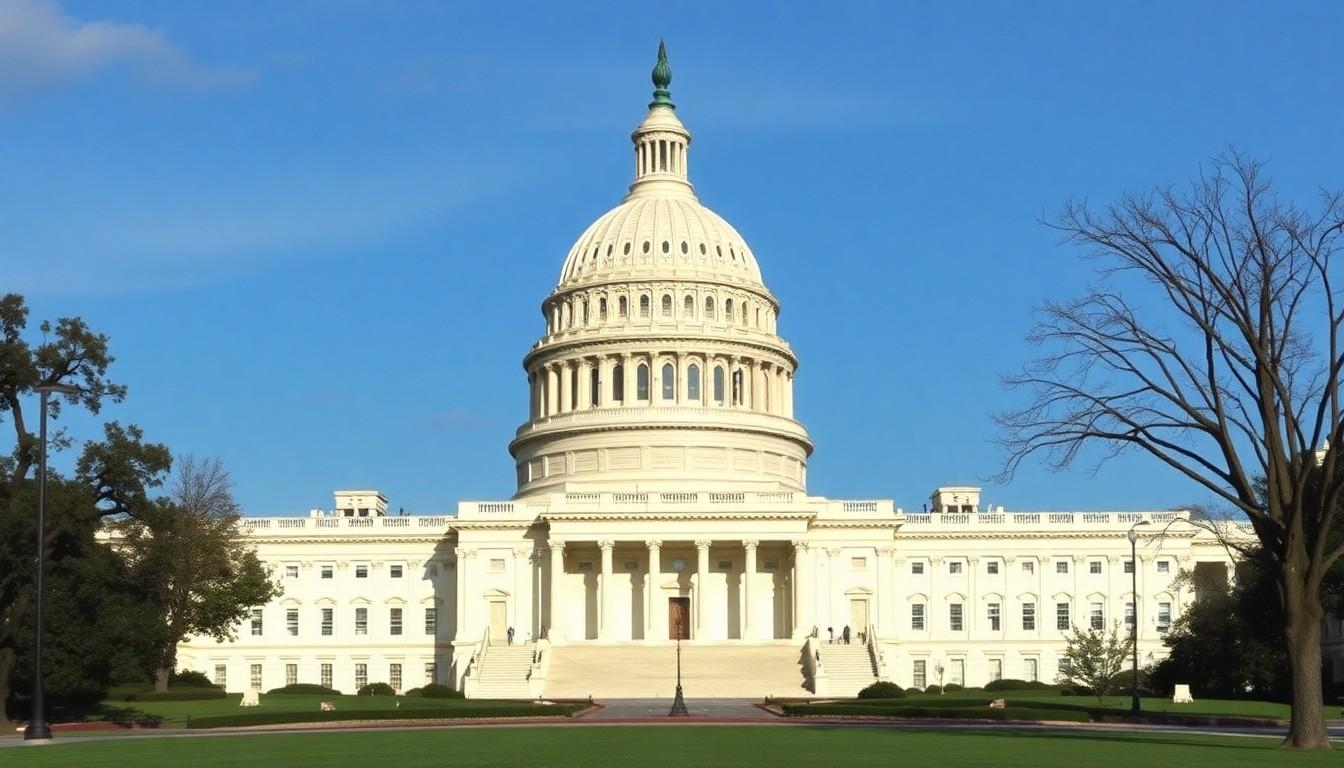
Shoppers for fresh political leadership are scanning Capitol Hill , after the deaths and retirements of liberal giants, who will step up for LGBTQ+ rights, strategy and old-fashioned coalition building matters now. This piece looks at the likely successors, why the moment feels different, and what it means for activists and voters.
Essential Takeaways
- Historic exit: Barney Frank’s memorial in Boston highlighted a generational handover and the fading of a particular Democratic cohort that includes Nancy Pelosi.
- Different forging fires: Frank and Pelosi were shaped by the AIDS crisis and an era when power was built inside committees and corridors. Today’s leaders emerge from movements and media.
- Rising names: Maxwell Frost, Sarah McBride, Robert Garcia and Scott Wiener represent varied strengths , activism, trans representation, oversight power and local-to-national policy chops.
- Risky landscape: Legal and political threats to LGBTQ+ rights mean successors must combine visibility with legislative skill; protections are not guaranteed.
- Practical angle: If you care about continuity, support organising, local races and leaders who can both mobilise voters and navigate Capitol Hill.
Why Frank’s funeral felt like the end of an era
Boston’s Faneuil Hall was crowded with familiar faces, and the mood had a particular, tangible weight , a generation saying goodbye to one of its architects. Reports of the memorial show former governors and senators sitting alongside the new guard; it read like a who’s who of a Democratic establishment that dominated politics for decades. For many, Barney Frank’s open defiance of political norms and Nancy Pelosi’s steady accumulation of power are inseparable from a time when the paths to influence ran through party institutions and committee rooms. That’s not merely nostalgia; it’s a reminder that leadership styles are forged by crisis and culture. The practical effect is simple: when a model of power disappears, so do certain habits of governance. Organisers and donors notice. Voters notice. And that shift changes what candidates emphasise when they run.
What made Frank and Pelosi so singular , and unrepeatable
Both rose in an era when being outspoken or visibly different carried a real political price. Frank’s decision to come out on his own terms and Pelosi’s choice to make AIDS her first House-floor subject were risky acts that rewrote the rulebook. Those moments mattered because Washington was less forgiving then. Pelosi’s long game , building votes one by one , looks almost anachronistic in today’s viral-first political environment. Frank’s blunt, combative style also reflected a time when bluntness in person and in print carried heft in a way social feeds now fragment. So when people say we’ll never see their like again, it isn’t just about personality. It’s about institutions, media and the specific crises that taught them how to wield power.
Who’s stepping up now , a closer look at four names
Several younger leaders already carry the mantle in different ways. Maxwell Frost, the first Gen Z congressman from Florida, is steeped in grassroots organising and movement-style politics; he channels energy and direct action rather than committee seniority. Sarah McBride, as the first out transgender member of Congress, brings lived experience to fights over privacy and civil rights; her presence reshapes what is possible in representation. Robert Garcia has emerged as a House power player who blends messaging with oversight , he’s used his platform to push for records and accountability. And Scott Wiener, moving up in California politics, shows how local policy fights over housing and science can be a stepping stone to national influence. Each of these figures embodies a different skill set: movement energy, identity politics, institutional oversight and local policy expertise. None is a carbon copy of Frank or Pelosi, but together they map a new playbook.
Why the stakes feel higher for LGBTQ+ protections now
Decades of progress, from marriage equality to repeal of “Don’t Ask, Don’t Tell,” were hard won. Yet recent political and legal currents have made protections feel precarious, particularly for transgender people. That’s shifted the calculus for leaders who must be both visible advocates and effective legislators. The lesson for activists and donors is practical: electing symbolic champions helps, but sustained policy wins require people who can thread the needle of vote-counting, committee strategy and public mobilisation. In short, visibility without legislative muscle won’t be enough. Expect to see more hybrid strategies , leaders who can rally grassroots support while lining up the votes in committee rooms.
How voters and activists can influence who fills the void
If you want successors who combine Frank’s candour with Pelosi’s effectiveness, start local. Invest in state and municipal races where tomorrow’s national leaders build resumes and relationships. Support candidates who show both organising chops and an aptitude for policy detail. Also, pay attention to how potential leaders handle both constituency work and coalition-building across ideological lines; those are the skills that turn loud popularity into durable wins. And remember: generational change is as much about networks and funding as it is about talent. The fight for continuity will be won in primaries, in local parties, and in the everyday work of turning turnout into long-term power.
It's a small shift with large consequences , watch who builds alliances as much as who wins headlines.
Source Reference Map
Story idea inspired by: [1]
Sources by paragraph: