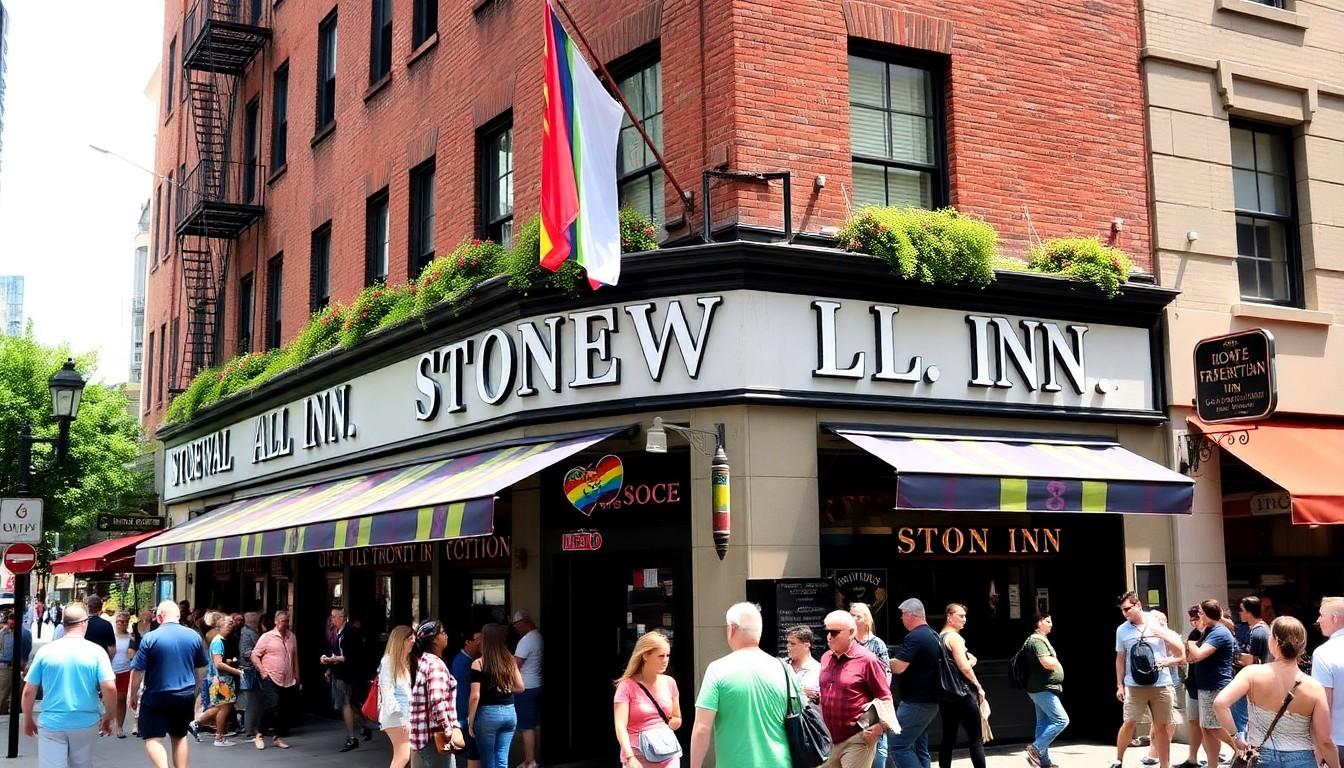
Spotlight the story: Pride Month honours the fight that made visibility possible, from the Stonewall uprising in New York to modern state recognitions , and it matters because the gains are real, fragile, and worth celebrating everywhere.
Essential Takeaways
- Key origin: The Stonewall Inn uprising on 28 June 1969 is widely credited as the spark that turned local resistance into an organised movement for LGBTQ+ rights.
- First anniversary: The Christopher Street Liberation Day March on 28 June 1970 became the template for annual Pride marches and helped shift a single-day protest into a movement.
- Legal milestone: The US Supreme Court’s decision in Obergefell v. Hodges established the right to same-sex marriage nationwide, a major legal advance for LGBT couples.
- Ongoing challenges: Despite legal protections, discrimination remains higher for LGBTQ+ people in healthcare, housing, employment and public life; older LGBTQ+ adults face particular isolation.
- Local flavour: California’s long history of LGBTQ+ activism and its 2018 designation of June as official Pride Month shows how place, politics and culture shape celebration timing and tone.
Why June became Pride Month , and why the date still matters
June became the focal month because of a raw, rainy night in Greenwich Village that amplified everyday rage into a public uprising. The Stonewall Inn raid and the resistance that followed crystallised frustrations about police harassment and social isolation into visible protest. History pages and PBS timelines note the chaotic, emotional scenes and the way neighbours and patrons refused to be invisible any longer. Remembering the date keeps the urgency alive; anniversaries are where history meets human memory, and they give activists a moment to regroup and press on.
From riot to parade: how one night turned into an annual ritual
Within a year of the uprising, participants organised the Christopher Street Liberation Day March, effectively turning defiance into celebration. That first march in 1970 set a precedent: protest could also be public joy. The format , banners, speeches, music and visibility , was political and cathartic at once, and it inspired other cities to stage their own events. Over decades, many Pride events have grown from grassroots resistance into multi-day festivals, while some communities choose to celebrate at different times to reflect local histories and climates.
Legal wins and their limits: Obergefell and what it did , and didn’t , fix
Obergefell v. Hodges marked a seismic legal victory when the Supreme Court recognised same-sex marriage rights, but law and lived reality aren’t the same thing. Legal recognition removes substantial barriers , inheritance, hospital visitation, tax status , yet discrimination persists in everyday settings, including healthcare and employment, according to advocacy reporting and policy analyses. The ruling is a milestone, not a finish line; civil rights progress often needs continued policy work and cultural change to make protections meaningful for everyone.
How regional stories shape Pride: California as a case study
California’s Pride timeline reads like a microcosm of queer American history: early business associations, San Francisco’s rainbow flag, openly elected leaders and, more recently, official recognition of June as Pride Month. Local choices , like Orange County holding its parade in October , show that communities adapt Pride to local politics, weather and histories. That variety matters: it means Pride remains locally relevant rather than a one-size-fits-all event, and it lets communities highlight lesser-known stories and needs.
Why Pride still matters , practical steps and what to watch for
Pride is both celebration and civic work. It’s where visibility meets policy: the public gatherings keep issues on the agenda while also offering community and solace. If you want to support Pride beyond attending a parade, consider volunteering with local LGBTQ+ groups, donating to mutual aid funds, or learning how to be an ally in healthcare and workplaces. Watch for policy battles over anti-discrimination protections and local services for older LGBTQ+ adults; those are the places where advocacy now needs attention.
It's a small change in habit , showing up, listening and learning , that can make every Pride safer and more lasting.
Source Reference Map
Story idea inspired by: [1]
Sources by paragraph: