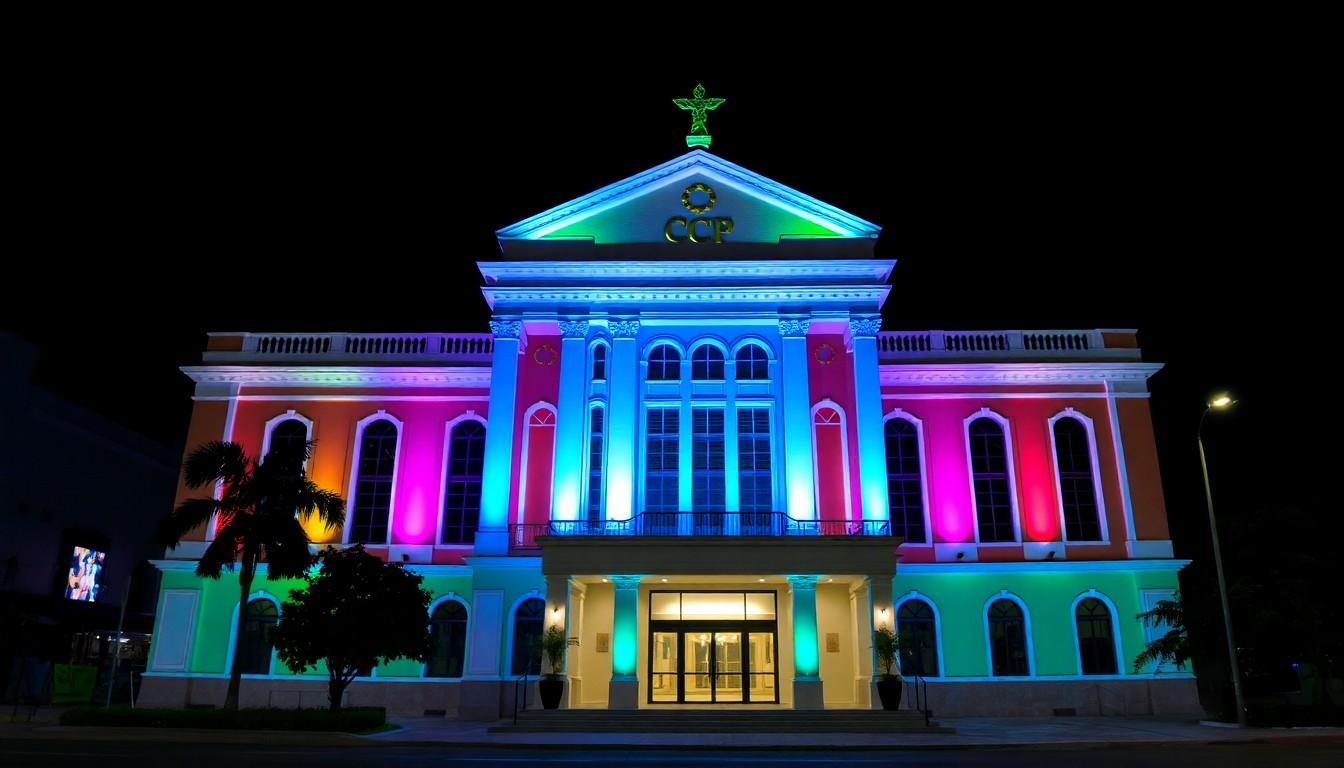
Celebrate Pride with a photo-worthy moment at the Cultural Center of the Philippines, where the Tanghalang Ignacio Gimenez facade glows with fingerprint-inspired rainbow projections , a vivid public art display that honours LGBTQIA+ identities, runs evenings from 26 June to 4 July, and invites solidarity and celebration.
Essential Takeaways
- When it runs: Evenings from 6:30pm to 10pm, 26 June–4 July (no shows on Mondays or in bad weather).
- Where to see it: Tanghalang Ignacio Gimenez (TIG) at the CCP Complex, Manila.
- What it looks like: Rainbow washes plus fingerprint-ring projections, warm and striking from across the plaza.
- Who made it: Concept by Jericho A. Pagana, execution by Shantie De Roca with CCP Production Design and Technical Services.
- Why it matters: A public art gesture aimed at visibility, dignity and safe spaces for the LGBTQIA+ community.
A striking welcome: why the TIG facade matters this Pride
If you arrive at the CCP at dusk, the first thing you’ll notice is colour , a layered rainbow that feels both celebratory and intimate. The installation borrows the concentric rings of a tree’s life, translating them into fingerprint-like bands that map identity and memory across the theatre’s skin. Cultural Center of the Philippines programming has used lighting before to mark civic moments, but this feels more personal, softer around the edges, and made for lingering photos.
The CCP describes the work as a promise to create spaces where people can be their truest selves. That language matters: public arts programming like this turns architecture into invitation, not just backdrop. If you want a quieter moment, pop by early evening before the crowd for light that’s gentle and still warm.
Who’s behind the design, and why the fingerprint motif?
The idea came from Jericho A. Pagana and was realised by Shantie De Roca, supported by the CCP Production Design and Technical Services Division. The fingerprint rings aren’t just decorative , they’re a metaphor for individual stories layered into a communal experience. It’s the kind of design choice that rewards closer looking: from a distance it’s a rainbow; up close, it’s a collage of identities.
Arts coverage in the Philippines has recently highlighted similar civic lightings during Pride, from museums to government buildings, and the CCP’s approach feels more deliberately narrative-driven. That makes it worth pausing in front of the facade rather than rushing past for a single snap.
Practical tips for visitors and photographers
Go on a clear evening , the lights are switched off in inclement weather and on Mondays. Bring a small tripod or steady your phone on a bench if you want crisp long-exposure shots; the colours hold beautifully without harsh glare. For portraits, position your subject slightly off-centre so the fingerprint rings read in the frame, and experiment with backlighting to create silhouettes with a colourful halo.
Arrive between 6:30pm and 8pm for softer, less crowded conditions; after 8pm it gets busier and more energetic, which can be fun if you want people in your shots. Remember to be respectful of other visitors and the architecture , this is a public celebration, not a festival site.
How this fits a wider trend of Pride lighting in the Philippines
Light as a form of civic expression has become more common: provincial capitols, museums and cultural institutions have been lighting up in support of Pride in recent years. The CCP’s installation follows that pattern but leans into theatrical craft, making the building itself a storyteller. According to local cultural outlets, these displays help normalise visibility while offering safe, accessible ways for the public to participate in Pride.
That normalization matters because visibility in civic spaces is one step toward broader acceptance. These are symbolic gestures, yes, but they also create everyday encounters that can shift perceptions over time.
Why it’s worth the trip even if you’re not photogenic
You don’t need a camera skillset to enjoy the moment. The light feels festive and gentle; it’s the sort of thing that makes people smile, linger and strike up conversation. Whether you’re showing up to support friends, looking for colourful inspiration, or simply passing through the CCP complex, the facade lighting turns architecture into a shared, empathetic display.
And if you’re moved, a quick social post or a respectful comment to local staff helps sustain programmes like this , public arts thrive on public attention.
It's a small, luminous gesture that invites everyone to stand in solidarity.
Source Reference Map
Story idea inspired by: [1]
Sources by paragraph: