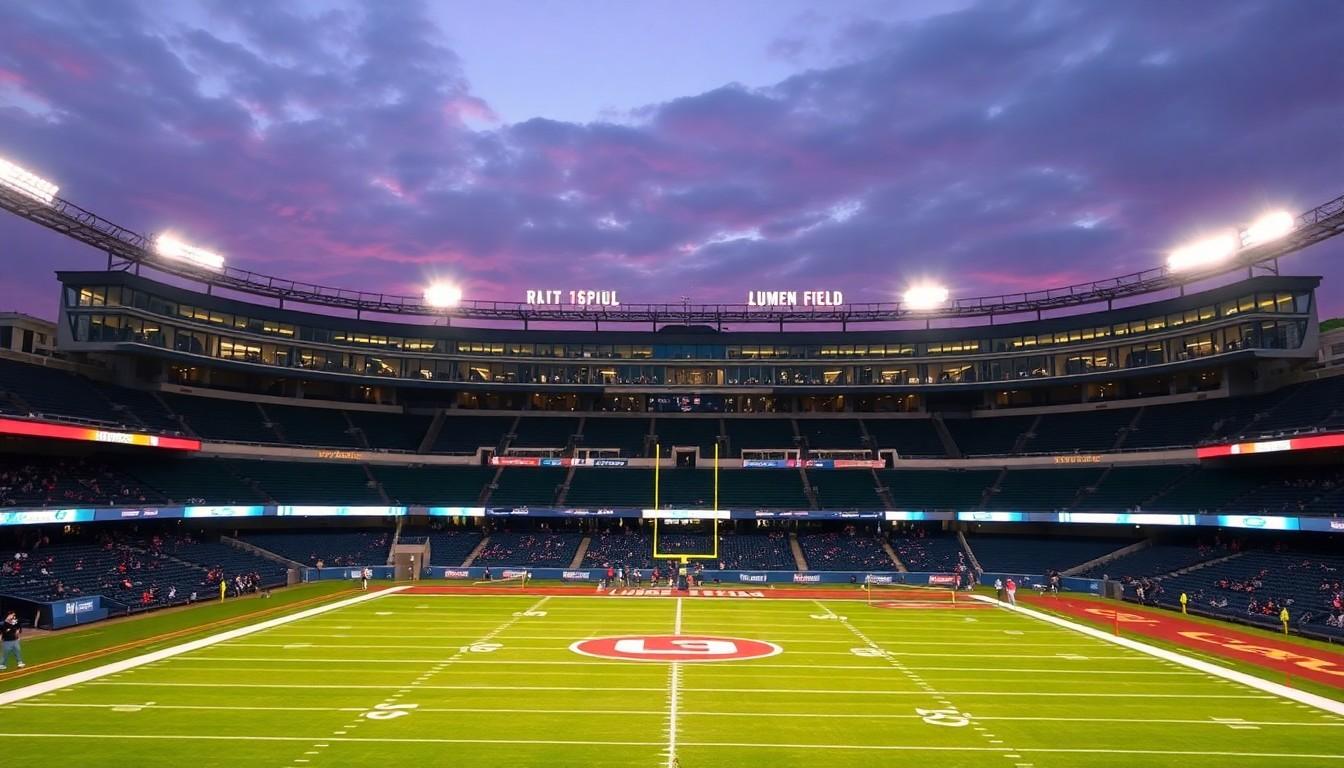
Shoppers are turning to sports as a stage again: Seattle’s Egypt–Iran World Cup match became an unexpected focal point for Pride week, asking what it means when a city’s celebration collides with teams from countries where being LGBTQ+ can be punishable by law. Here’s why the moment mattered, and what it reveals about gestures versus principle.
Essential Takeaways
- Visibility won the day: Fans in Seattle waved rainbow flags inside Lumen Field, creating a visual echo with city-wide Pride events and drag shows.
- Official ambivalence: FIFA allowed flags but denied the match was a “Pride Match,” sending mixed signals between acceptance and caution.
- Teams kept distance: Iran and Egypt publicly framed the fixture as purely about football, avoiding political commentary.
- Human-rights tensions linger: Visa denials and past censorship around protests show the tournament remains entangled with wider rights concerns.
- Local goodwill matters: Seattle’s local organisers and supporters turned the stadium into a warmer, more inclusive space , but institutional follow-through is still needed.
A vivid image: flags, drag and a noisy stadium
The clearest sight from the day was simple and stubborn: rainbows unfurling across stands, a city’s Pride spilling into a stadium’s crowd. It felt bright and auditory, with watch parties and drag stages amplifying the mood beyond the pitch. According to reporting, fans were openly celebrating inclusion while the match carried an entirely different national backdrop. That contrast made the moment vivid, even a little uncomfortable.
Journalists noted the scene as both a civic claim and an invitation , Seattle asserting its values in public spectacles. For locals, it wasn’t just decoration; it was a statement that community rituals can overlay a global event. For many viewers around the world, the sight prompted questions about who really benefits when symbols are allowed but institutions remain publicly noncommittal.
FIFA’s fine line: permission without ownership
FIFA’s announcement effectively permitted rainbow flags at the match, but stopped short of embracing a “Pride Match” label. That distinction is meaningful: one verb suggests active endorsement, the other a begrudging tolerance. Media coverage picked up on the nuance, with headlines alternately saying FIFA “allowed” or “won’t prohibit” the flags , and that linguistic split framed the organisation’s stance.
This isn’t the first time FIFA has tried to balance competing pressures. With past incidents, like removing protest banners or cancelling anti-discrimination messaging at other tournaments, critics say these cautious gestures sound hollow. Allowing flags in one stadium looks good, but it’s small consolation if institutional policies don’t back up sustained protection and advocacy.
Teams’ silence and diplomatic tightropes
Both Iran and Egypt steered clear of public debate, with coaches and spokespeople focusing strictly on the match. That’s unsurprising: national teams are tightly connected to government policy, and players can face real danger if they stray into politics. Publicly saying “we’re here to play” is a survival tactic as much as a sporting stance.
Observers pointed out how the teams’ silence clashed with the stadium’s atmosphere. For fans, the contrast felt jarring , a hopeful local chorus met by official omission. It’s a reminder that gestures by hosts or spectators don’t automatically translate into safety or reform for citizens of the visiting nations.
Bigger picture: human-rights strings attached to hosting
This World Cup cycle has been unusually fraught. Organisers put human-rights criteria into bidding for the first time, yet the tournament in question has already sparked concerns, from visa denials to reported exclusions of staff and officials. Human-rights groups warned that progress can be superficial when financial stakes are high, and that major sporting bodies sometimes prioritise income over accountability.
Seattle’s cheerfulness offered contrast: a local commitment to inclusion that actually felt lived-in. Still, advocacy groups argue that symbolic moments should be paired with policy demands and protections that travel beyond a single match. Otherwise, inclusion risks becoming performative rather than durable.
How to read moments like this , practical takeaways
If you want to support meaningful change around big events, small acts in stadiums help but don’t finish the job. Attend local events, back organisations working on legal protections, and press governing bodies for clear, enforceable commitments. For supporters inside stadiums, choosing to display symbols thoughtfully and respectfully can amplify voices without endangering others.
Meanwhile, reporters and fans should keep asking the question the Seattle match posed: does allowing a symbol equal real support? The answer will always depend on follow-through, not just the snapshot.
It's a small change that can make every cheer count.
Source Reference Map
Story idea inspired by: [1]
Sources by paragraph: