Spotlighting a fresh, rooted view of Black gay life, Terrell Winder’s new book examines how young men in Los Angeles reject stigma and find pride , a timely read that matters for Pride Month, community organisers, and anyone curious about how place shapes identity.
Essential Takeaways
- Fresh ethnography: Winder draws on years of fieldwork to document how Black gay men in LA build identities that resist stereotypes.
- Place matters: LA’s size, West Hollywood’s visibility, and shifting neighbourhood demographics shape everyday experiences.
- Beyond HIV narratives: The book pushes back on narrow public assumptions, focusing on daily life, pride and resistance.
- Accessible scholarship: Published by NYU Press, Shameless blends academic rigour with storytelling that resonates beyond the academy.
- Community-first perspective: Events and discussions around the book highlight the value of making queer Black lives visible.
A bold, intimate look at identity , and it reads like a conversation
Winder opens with vivid, grounded scenes that make the research feel immediate and human, not abstract. According to his academic profile at UCSB, he’s an ethnographer who spent years in Los Angeles listening, observing and collecting stories. That close attention gives the book a lived-in texture , you can almost hear the places and people he writes about.
His approach reminds you why ethnography matters: it turns statistical silhouettes into real, complicated lives. The prose brings out sensory details , the cramped interiors of community meetings, the faint echo of music in queer bars , while always returning to the question of how people make meaning out of stigma.
Why Los Angeles changes the story of Black gay identity
Winder contrasts LA’s sprawling geography and visible gay spaces with his own Baltimore upbringing to show how location reshapes identity work. Los Angeles offers more community services and a prominent gay neighbourhood in West Hollywood, but its distances and shifting Black demographics complicate belonging. UCSB’s sociology page notes his interest in these intersections of race, gender and sexuality, which helps explain why place is central to his argument.
So the book isn’t just about being Black and gay , it’s about being Black and gay in a city where community can be both near and far, and where historic Black spaces are changing fast. That tension is at the heart of the study and gives readers a clear lens for understanding what “pride” can look like in different settings.
Pushing back on old assumptions , especially about HIV
One of Winder’s motivations was to challenge the automatic link many make between Black gay men and HIV research. He says that focus can obscure the fuller range of experiences , friendship, joy, careers, home life , that make up daily existence. NYU Press’s event listings and summaries position Shameless as a corrective: it expands the research record to include narratives of resistance, not just risk.
That matters because public attention and funding often follow narrow stories. By broadening the frame, Winder helps create space for policies and programmes that recognise Black queer flourishing as well as vulnerability.
What audiences are saying , visibility as a form of survival
At readings and talks, people have told Winder that the book matters precisely because it documents marginalised lives now, when many institutions are trying to downplay inequities. An audience member at a West Hollywood library event asked what Winder hoped the book would achieve; he quoted Joseph Beam’s line, “Visibility is survival,” and the idea stuck. Public conversations around Shameless have highlighted the need to collect and publicise queer-of-colour experiences as evidence of injustice , and of resilience.
Events listed by NYU Press and university pages show this work is sparking discussion, from academic seminars to community gatherings, and that those conversations sometimes change how people think about pride itself.
How to read this book and what to take away
Treat Shameless as both a companion and a challenge: it’s companionable because Winder’s fieldwork brings you into people’s lives, and challenging because it asks readers to rethink easy narratives about stigma. If you’re a student, activist, community worker or simply curious, look for sections that discuss how services, geography and migration shape identity , those are the bits most useful for practical change.
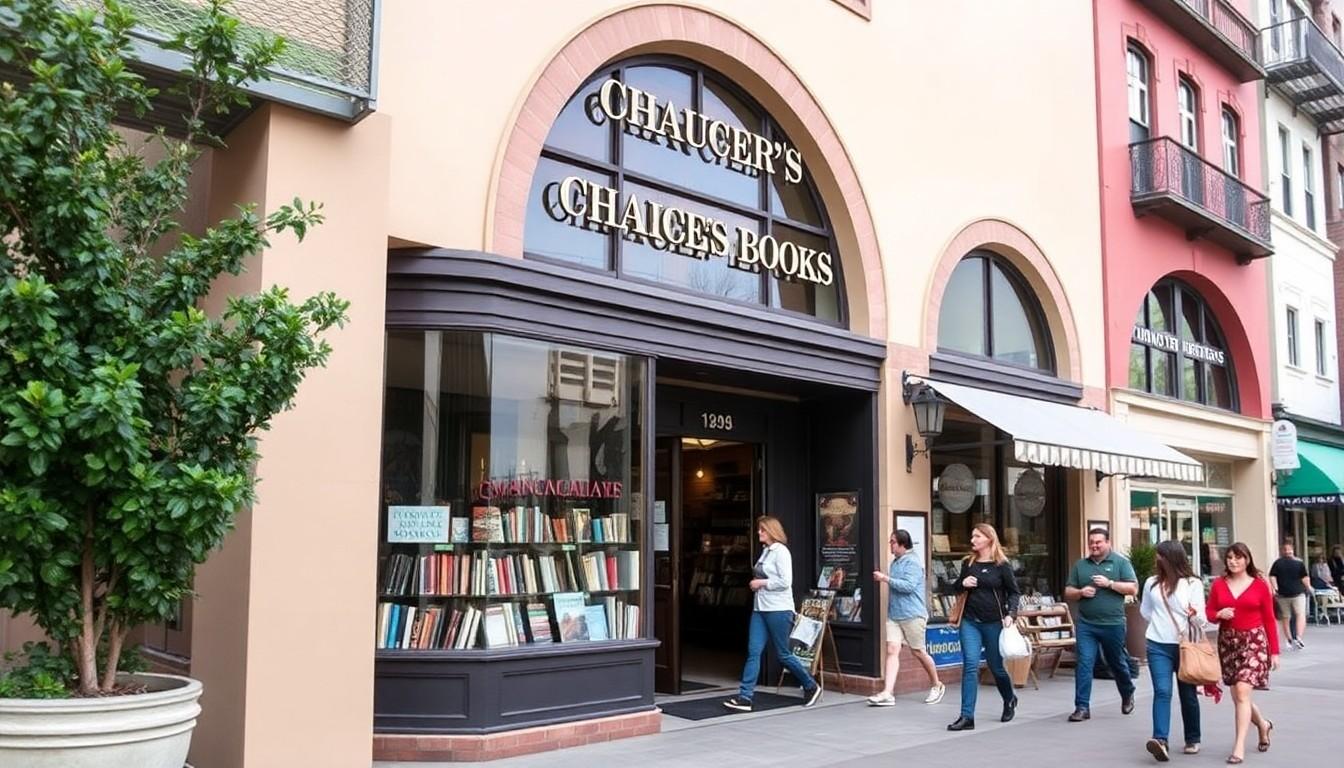
Also, consider attending a talk or book event. Winder will be in conversation at Chaucer’s Books in Santa Barbara in August, and public events like that turn the pages into real-time community building.
It's a small change that can make every conversation about identity a little more honest.
Source Reference Map
Story idea inspired by: [1]
Sources by paragraph: