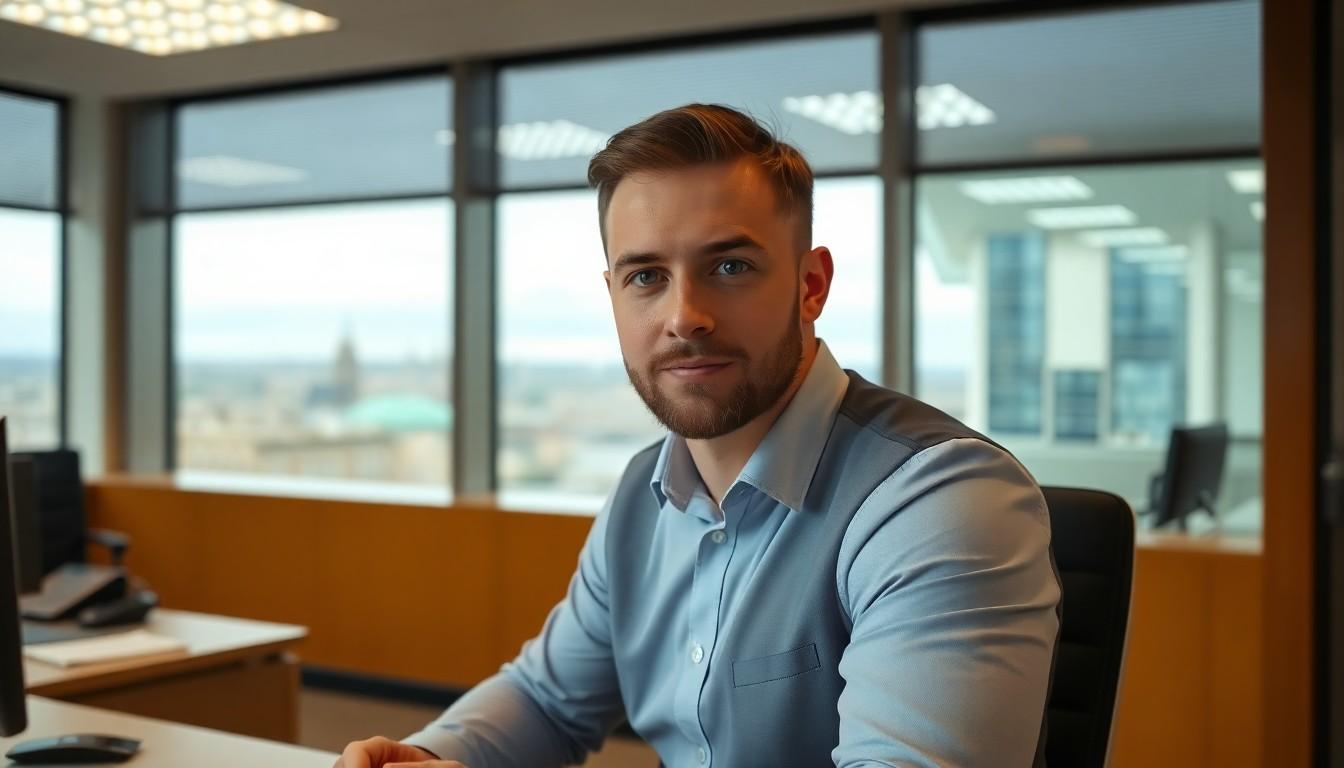
Shoppers and voters are noticing a new kind of front-page moment: Liverpool Liberal Democrat leader Cllr Carl Cashman stars on Attitude magazine’s Pride issue, talking masculinity, youth radicalisation and why visibility still matters in politics and community life. It’s a refreshing, photo-ready turn with a political point.
Essential Takeaways
- Cover star: Cllr Carl Carl Cashman appears on Attitude’s Pride issue discussing masculinity and political engagement.
- Main concern: He’s worried that isolated young men are being pulled online into the manosphere and far‑right circles.
- Practical plan: Cashman is working with think tank Bright Blue on a “manifesto for positive masculinity” and plans grassroots outreach in sports clubs and gyms.
- Personal angle: He reflects on growing up under Section 28 and why LGBT visibility still matters.
- Public profile: This feature follows other media attention that’s raised his public profile beyond local politics.
Why a council leader on a queer magazine cover is worth your attention
It’s striking to see a local politician step onto the glossy cover of the UK’s biggest LGBTQ title, and it gives the interview an immediate emotional charge , there’s the crispness of the photograph and the human detail behind it. According to the Liverpools reporting, Cllr Cashman uses the platform to talk about masculinity, not as a culture-war cudgel but as a civic issue. That crossover , politics meeting culture , is exactly why the feature matters beyond a nice image.
What he’s pushing: a manifesto for positive masculinity
Cashman told Attitude he’s collaborating with Bright Blue to draft what he calls a “manifesto for positive masculinity.” That’s notable because it reframes masculinity as something to nurture rather than simply police. The idea is practical: meet men where they already are , in sports clubs, boxing gyms and youth hubs , and talk through pressures, identity and belonging before online echo chambers do the shaping for them.
Why the manosphere is on his radar
He’s blunt about the route many young men take when they feel isolated: the internet. Cashman says isolation pushes people into narrow online worlds that normalise misogyny or far‑right ideas. That’s the same concern flagged in wider cultural conversations and documentaries that have made people sit up. His response is preventative rather than punitive , talking, listening and offering alternative communities.
Visibility, Section 28 and the personal stakes
Cashman’s interview isn’t all policy. He reflects on growing up under Section 28 when being out was much harder, and on how visibility matters , for both safety and normalisation. Those memories give his remarks weight: he’s talking from experience about why representation in public life still shifts what young people see as possible.
What this means for local politics and Pride season
This cover gives Cashman national air-time as he eyes leadership at city council level. For voters it’s a reminder local figures can influence national conversations; for activists it’s proof that Pride platforms aren’t just celebratory, they’re strategic. Expect more politicians using cultural moments to advance policy ideas that touch identity, safety and civic cohesion.
It’s a small change in profile that could make a difference to how communities talk to men who feel disconnected.
Source Reference Map
Story idea inspired by: [1]
Sources by paragraph: