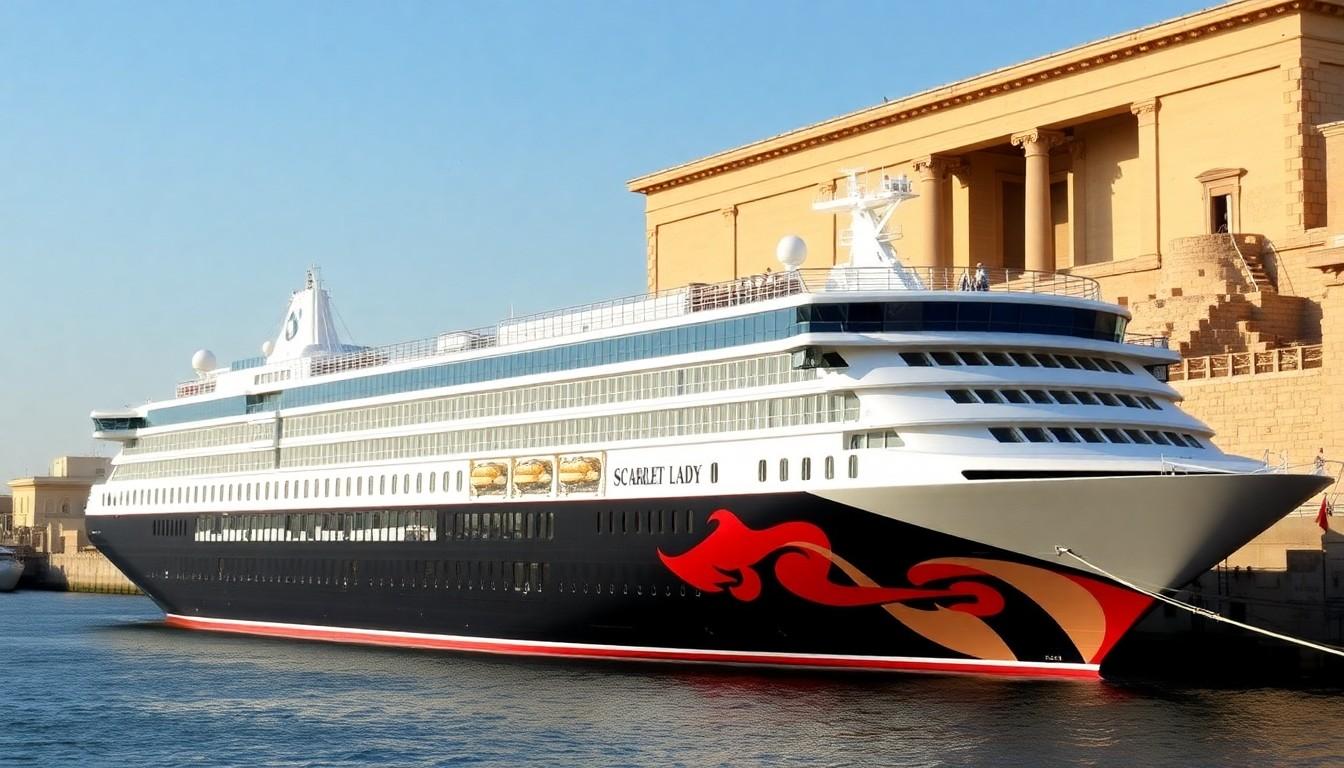
Shocked fans and performers are reacting after an all‑gay cruise on Virgin Voyages' Scarlet Lady was reportedly denied entry into Turkey; Patti LuPone, scheduled to perform, called out the decision and the voyage has re‑routed , here's what happened, why it matters, and what comes next.
Essential Takeaways
- What happened: A long‑planned 10‑day "Athens to Venice" Atlantis Events cruise was reportedly barred from docking in Kuşadası, Turkey, over concerns about a gay group on board.
- Star reaction: Patti LuPone said she was "furious" and will still perform for passengers as the ship changes ports.
- Official lines: Local Turkish authorities cited "moral values" and incompatibility with local culture; Atlantis Events said the ban is unprecedented in 36 years.
- Itinerary changes: The Scarlet Lady is expected to call instead at ports including Egypt and Crete; organisers stressed they intend no political agenda.
- Practical note: Passengers should expect adjusted shore excursions and keep an eye on official cruise and embassy updates for travel, visa, and safety info.
A stunning block that landed on a sunlit deck
The opening shock came as passengers and performers found a planned Turkish stop unexpectedly cancelled, leaving a vivid emotional impression among those on board. According to reporting, the Aydın provincial authorities said a visit of "this nature" could not be permitted, citing behaviour allegedly incompatible with the area's moral values. Fans and crew alike described the moment as confusing and upsetting.
Backstory: this wasn't a last‑minute private party but a years‑in‑the‑planning Atlantis Events cruise, billed as an all‑gay voyage with thousands of guests and headline performers. Organisers say being told they couldn't berth in Kuşadası because of who was on board is unlike anything they've faced in decades.
Patti LuPone called it out , and kept her sense of purpose
The famed stage star took to Instagram to voice her disbelief and anger, saying she was ready to perform for the guests who'd come to see her. Her reaction highlights the personal cost when entertainment and travel plans collide with geopolitics and local policy. LuPone's message landed as a human, immediate response that underlined how the ban was felt by individuals, not just companies.
Her stance also framed the story in plain terms: this was a ship full of people who expected to be welcomed, and instead were publicly judged because of who they are. That made the incident resonate beyond cruise lines and into cultural conversation.
What officials and organisers are saying
Local Turkish authorities described the cruise as organised by groups “known for behaviours incompatible with the fabric of our society and moral values,” a phrase that made headlines around the world. Atlantis Events' boss called the move "stunning" and said this is the first time in 36 years the company was actively told they couldn't berth for that reason.
Meanwhile, the organisers emphasised they aren't a political group , their aim is tourism, entertainment and respect for host cultures. That defence matters commercially: companies booking charters and headline acts want predictable ports of call, not spot decisions that upend logistics and passenger plans.
Practical fallout for travellers and crew
When a port change like this happens it ripples through visas, excursions and prepaid arrangements. Passengers should check statements from the cruise operator and monitor guidance from relevant embassies; shore‑excursion providers and travel insurers may also have clauses for rerouted itineraries. Expect alternative shore trips to be arranged and official updates about refunds or substitutions.
For performers, it means adapting sets, schedules and sometimes pride messaging on the fly. For crew and entertainment staff, it means shifting logistics quickly while keeping passengers reassured.
Bigger picture: tourism, image and cultural flashpoints
This episode is another reminder that tourism doesn't exist in a vacuum. Countries weigh local sensibilities against economic benefit, and sometimes those choices become international stories. Industry watchers will be watching whether other ports alter plans for themed or LGBTQ+ cruises, and whether operators will lobby diplomatic channels for clearer assurances before charters.
At the human level, the re‑routing and the public reactions show how travel can become a stage for cultural discussion. Whether you're a cruise regular or a casual observer, this feels like the kind of story that will be revisited in policy meetings and publicity plans for months.
It's a small change that will have big echoes for those aboard , and for anyone watching how tourism and tolerance intersect.
Source Reference Map
Story idea inspired by: [1]
Sources by paragraph: