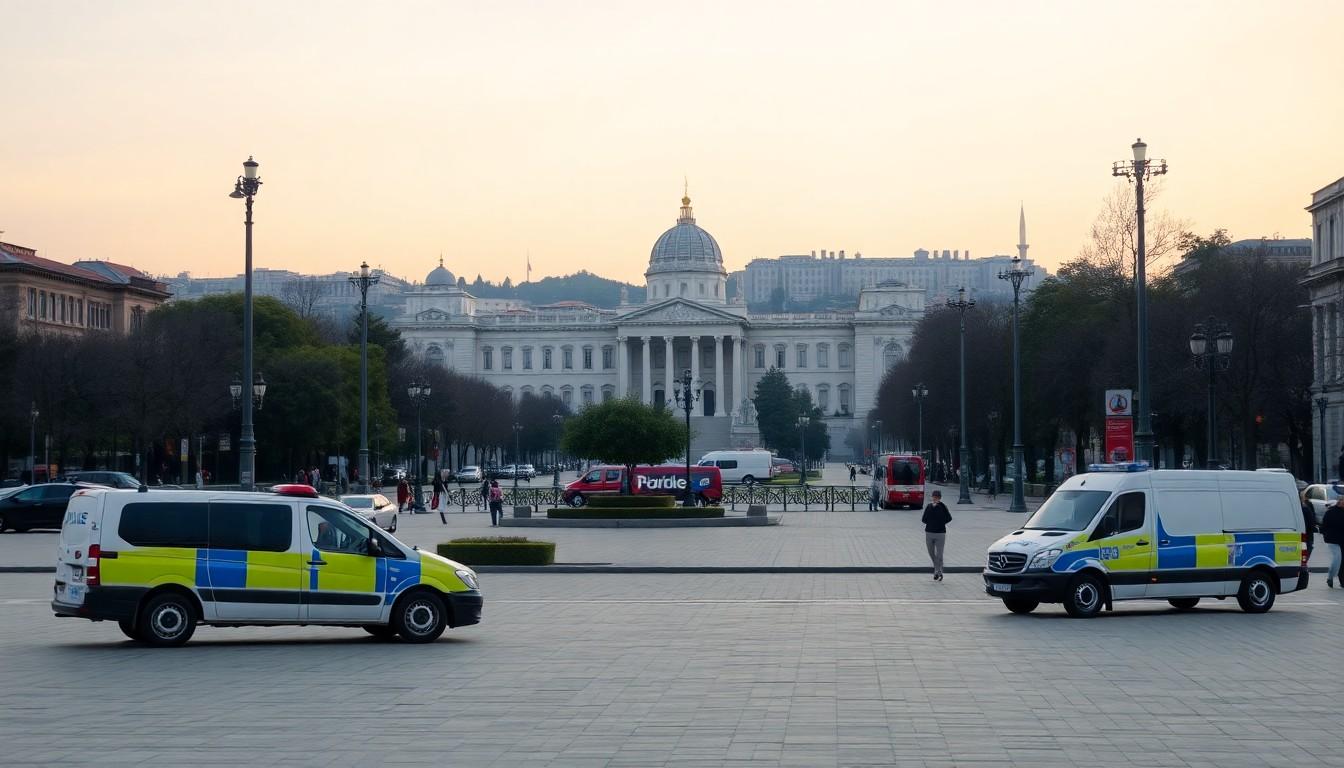
Shoppers, residents and tourists watched as İstanbul’s LGBTQ community refused to be rerouted on Sunday: despite an official ban, demonstrators gathered across neighbourhoods and at least 50 people were detained, underscoring why Pride in Turkey still matters and how communities keep visibility alive.
Essential Takeaways
- Detentions: Police detained at least 50 people during banned İstanbul Pride actions, including one journalist with press credentials.
- Multiple gatherings: Demonstrators dispersed into several neighbourhoods after authorities tightened security around Taksim and restricted subway access.
- Press freedom hit: A reporter, who repeatedly identified herself as press, was taken into custody, prompting condemnation from the Turkish Journalists’ Union.
- Wider pressure: Authorities also ordered an İstanbul gay bar to close after online campaigns linked to an LGBTQ cruise, showing hostility beyond street protests.
- Solidarity visuals: The İstanbul Bar Association publicly displayed a banner reading “LGBT is human rights,” reinforcing legal and civic support.
A banned march, then a citywide ripple , what happened in İstanbul
İstanbul’s Pride has a knack for rerouting itself, and this year was no different. When officials ring-fenced Taksim Square with iron barriers and restricted metro access, protesters simply spread into neighbourhoods, keeping the atmosphere loud and visual. Reuters and independent reports described chants and small groups popping up across the city, creating a sense of fluid, grassroots resistance rather than a single, permitted parade. For onlookers it felt less like a blocked event and more like a maze of determination.
Journalists and the thin line between coverage and custody
Coverage of the day was complicated by arrests that included a working reporter who held a valid press card. The Turkish Journalists’ Union protested the detention, saying their colleague had repeatedly identified herself as press. That matters because documenting dissent is how history is written, and when the people recording events are taken into custody it narrows what the public can see. International outlets have noted the pattern: policing that sweeps up both protesters and the press.
From squares to side streets , why protesters didn’t fold
Organisers and attendees treated the ban as a prompt to adapt. Rather than treat one blocked square as the end of the story, they used dispersal as a tactic: small gatherings, chants from balconies, banners unfurled on civic buildings. The İstanbul Bar Association’s large “LGBT is human rights” banner became a focal image of solidarity, showing that public institutions can still signal support even when marches are forbidden. If you’re wondering why people keep turning up, it’s because visibility itself is a form of protection and political pressure.
Crackdown isn’t new , a decade of mounting restrictions
Homosexuality isn’t illegal in Turkey, yet organisers say the political climate has hardened, particularly under President Erdoğan’s rhetoric. Since around 2015, İstanbul’s once-large Pride march has been subject to repeated bans and dispersals, a trend covered by major outlets. That pattern matters because bans don’t just stop one event; they chill businesses, venues and social life, shrinking safe public space over time. Activists point out that each ban makes visibility more urgent, not less.
Pressure beyond Pride , businesses and cruises in the crosshairs
The weekend’s story went beyond marches. Authorities ordered a popular gay bar to close after online campaigns targeting its owner and a planned LGBTQ cruise stop in İstanbul was reportedly cancelled. Local reporting and human-rights groups linked those moves to broader efforts to push LGBTQ life out of public view. For queer entrepreneurs and venue owners, the message is clear: operating a visible business can invite coordinated campaigns and regulatory scrutiny.
Closing line It’s a small thing, but when people keep finding other streets to walk, they’re also keeping a conversation open , and that’s the point of Pride.
Source Reference Map
Story idea inspired by: [1]
Sources by paragraph: