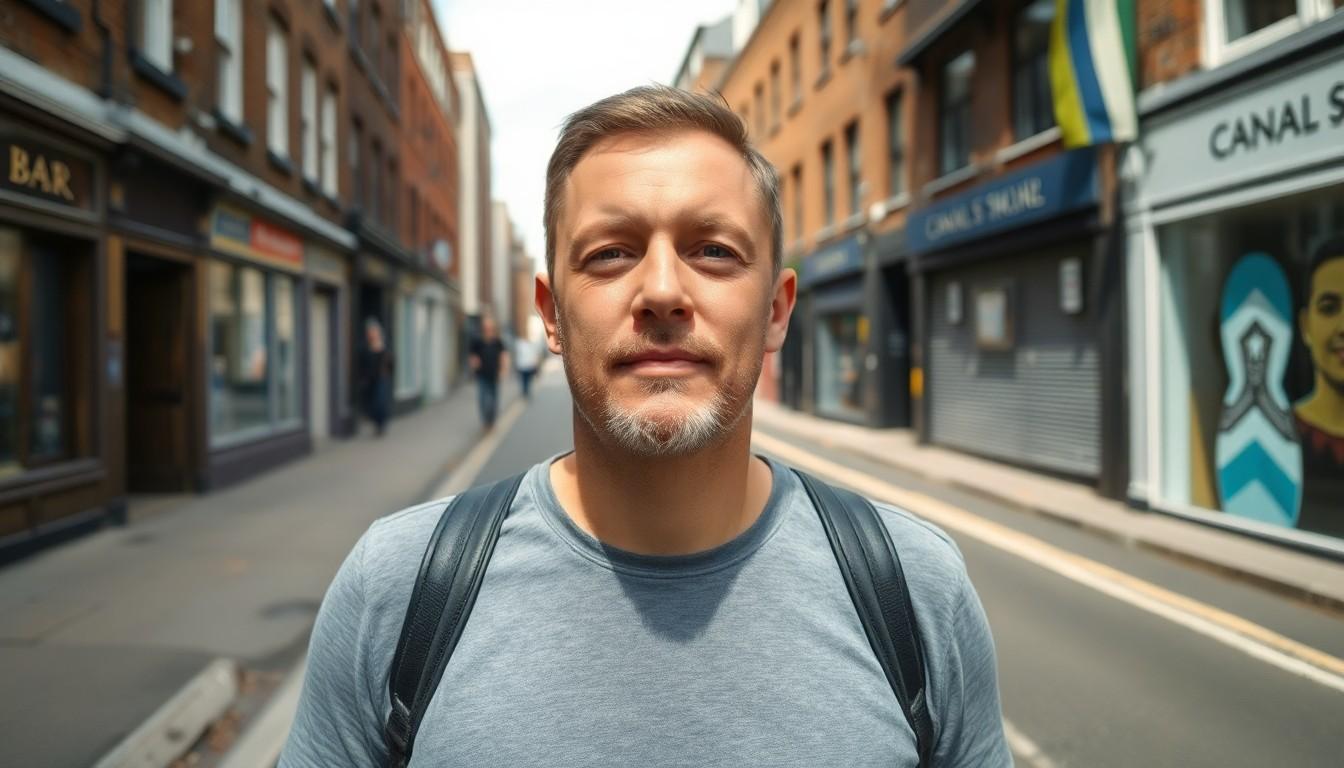
Shoppers and clubbers are watching as another serious assault in Manchester’s Gay Village raises questions about safety, policing and CCTV , and why victims like Jack Francis say investigations closing without charges matter far beyond one night out.
Essential Takeaways
- Victim details: Jack Francis, 35, suffered facial scarring, a broken nose, rib and finger after an assault on Canal Street on 16 May; he says it started after he challenged a homophobic slur.
- Investigation status: Greater Manchester Police reviewed CCTV but told Mr Francis the inquiry is closed because the attackers could not be identified from footage.
- Wider concern: The case echoes other recent incidents in the Gay Village where CCTV quality or gaps have hindered prosecutions, leaving some victims feeling unsafe.
- Community impact: The assault has taken a toll on Mr Francis’s physical and mental health and stoked fears that LGBTQ+ spaces may no longer feel like refuge.
- Support routes: Police asked victims to report crimes and pointed to Crimestoppers and the LGBT Foundation for specialist help; community groups stress reporting matters even when prosecutions are hard.
A brutal night that left more than bruises
Jack Francis’s injuries sound shocking and immediate , black eyes, a broken nose, rib and finger, plus a permanent facial scar , and the image of blood pouring from his face is hard to forget. He says the attack began after he challenged homophobic language, a detail that makes the assault feel personal and targeted, not random. For anyone who visits the Village regularly, that emotional sting is as worrying as the physical harm.
According to the Manchester Evening News, police opened an investigation and reviewed CCTV, but later informed Mr Francis there were no further lines of enquiry. That decision has left him disappointed and anxious about accountability, and it’s easy to sympathise , when footage can’t identify assailants, victims often feel the system has let them down.
Why CCTV often makes or breaks these cases
CCTV is supposed to be a frontline tool in solving street assaults, yet quality and coverage vary wildly. Other recent reports from the area show similar issues: footage described as “so poor” has previously prevented charges from being brought, while delays in collecting recordings have hampered other inquiries. When camera angles are low-resolution, obscured, or simply don’t exist for a particular stretch of street, investigators lose crucial leads.
For anyone worried about evidence, practical steps help: if you’re a victim, request copies of any footage you’re aware of and pass locations and timestamps to police promptly. Witnesses who film on their phones can be decisive, so encouraging friends to keep recordings until police say otherwise might be the difference between a closed case and a prosecution.
The human cost beyond the headlines
Physical damage heals unevenly; Mr Francis faces permanent scarring and a misaligned septum, and he says his mental health has been significantly affected. Those personal consequences ripple out to friends, partners and the broader LGBTQ+ community, which relies on places like Canal Street as safe social hubs. When attacks go unresolved, the message can feel like: even our sanctuaries aren’t guaranteed.
Community organisations often pick up where criminal justice struggles. The LGBT Foundation and local support networks offer counselling, crime-reporting advice and advocacy, and their role becomes vital when victims say police lines of enquiry dry up. It’s worth remembering that reporting an incident does more than chase a conviction; it feeds statistics, resources and policing focus that can prevent future harm.
What police say and what that means for trust
Greater Manchester Police told Mr Francis they pursued “all lines of enquiry” and closed the file because further leads weren’t available, while reiterating their intolerance of hateful behaviour. They also highlighted internal Pride networks and neighbourhood teams that work with LGBTQ+ residents. That response aims to reassure, but for those directly affected the reassurance can ring hollow if it doesn’t result in visible action.
Public trust hinges on transparent follow-up , timely CCTV collection, visible patrols at peak times, and rapid community liaison after incidents. Where forces can show they’ve exhausted options and why, it helps; where explanations are thin, frustration understandably grows.
How revellers and venues can reduce risk now
There’s no magic fix, but small practical actions make a difference. For visitors: stick with friends, share your plans, and note camera locations or staff who can help if something happens. If you witness abuse, report it and consider securely filming what you can. For venues: maintain clear incident-logging procedures, cooperate promptly with police requests for footage, and invest in good-quality, well-placed cameras and staff training on hate incidents.
City planners and police leaders should also look at lighting, continuity of camera coverage, and rapid evidence preservation. A better system benefits everyone who uses public spaces after dark.
It's a small change that can make every night out safer.
Source Reference Map
Story idea inspired by: [1]
Sources by paragraph: