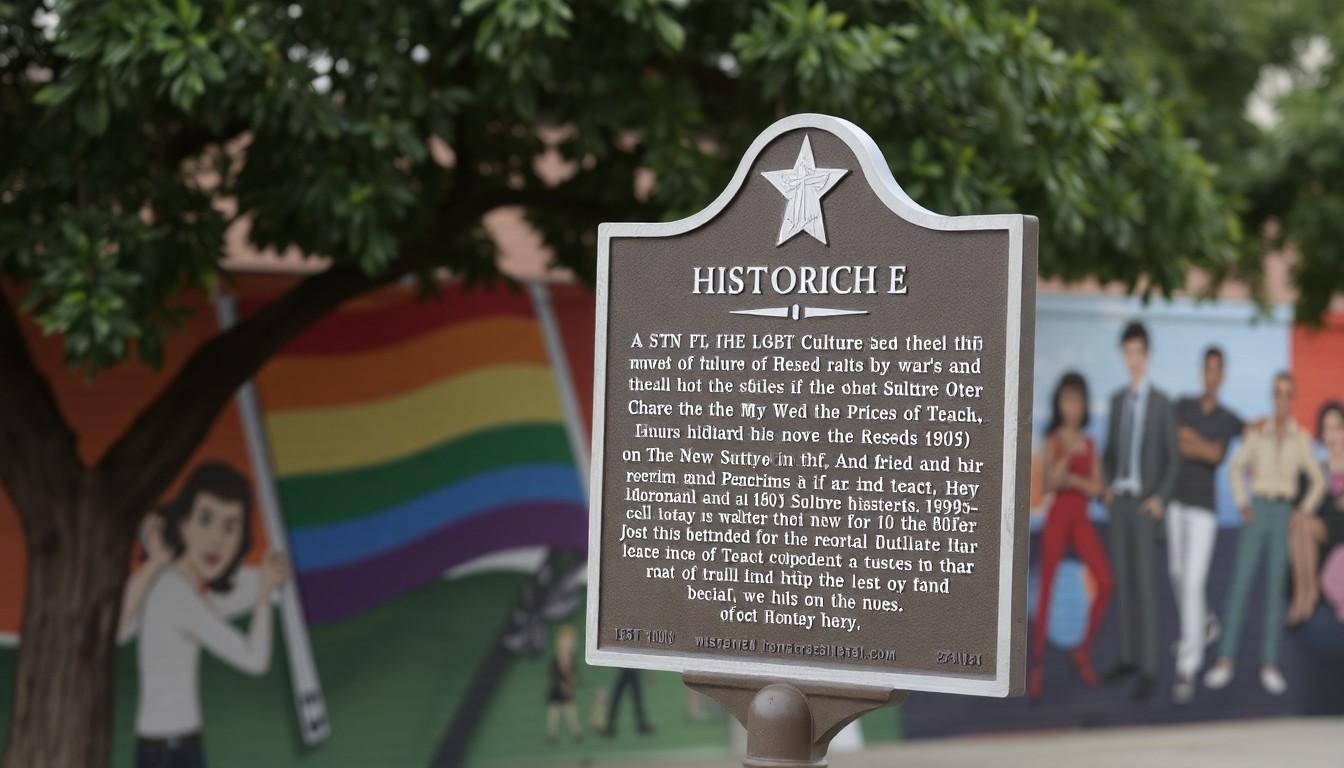
Shoppers and residents are turning to flags, murals and rainbow bike racks as Texas towns find creative ways to celebrate LGBTQ+ communities after state orders forced the removal of painted rainbow crosswalks. These substitutes keep visible support alive where the crosswalks once stood, and they matter for morale and history.
Essential Takeaways
- Visible replacements: Cities are using flags, murals, wrapped street furniture and bike racks to maintain colourful Pride presence.
- Why it happened: The state ordered removal of crosswalk art it deemed political, citing federal guidance and threats to funding.
- Local reactions: Officials and community groups say these alternatives are more durable emotionally and invite public participation.
- Practical wins: Many replacements are easier to permit or remove, smell fresh, and feel intentionally community-driven.
- Watch for markers: Some municipalities plan permanent historical markers to preserve LGBTQ+ memory where crosswalks stood.
Why cities are swapping paint for flags and murals
Communities from Austin to El Paso moved fast once state officials said rainbow road art had to go, and the replacements are already catching eyes , think wrapped lampposts and new murals with soft, bold colours. According to local reporting, officials framed the decision as a way to keep visible support for LGBTQ+ residents while following an order tied to roadway funding. It’s practical, and it reads as a little defiant: you can take the paint off the tarmac, but you can’t take the colours out of a neighbourhood.
How municipalities chose alternatives that actually work
Rather than repainting roads, cities have picked options that last and invite interaction. Dallas installed multicoloured steps at a public library and wrapped 18 bike racks in rainbow hues, while El Paso wrapped street lamps and plans more bike racks. These are items people touch, sit on and photograph, so the message feels immediate and community-owned. Officials found many of these are easier to permit than painting state-controlled streets, which makes them sensible stopgaps and potential long-term fixtures.
The politics behind the paint , and why it matters
The removal order came after Gov. Greg Abbott directed the Texas Department of Transportation to tie federal and state road funds to the removal of roadway art deemed political, mirroring Federal Highway Administration guidance. The move hit rainbow crosswalks widely used to mark LGBTQ+ historic areas, but it also affected other community works , for instance, painted tributes in Austin’s Black cultural heritage district and local river-themed crosswalks. Advocates say the ruling targets visible minority histories, while officials argue they’re simply following federal and state rules.
Community response: participation, markers and persistence
Cities aren’t just replacing colour, they’re mobilising people. Austin’s Mayor Kirk Watson said the downtown mural invited residents to join in painting hearts and will be followed by a historical marker to formally recognise the area’s LGBTQ+ legacy. In Dallas, merchants staged a “fun, campy” ribbon cutting for the rainbow bike racks, turning a regulatory loss into a small celebration. Local organisers in El Paso are planning similar installations, suggesting a longer-term campaign to keep Pride visible without relying on painted crossings.
Practical tips if you want to support local LGBTQ+ spaces
If you live in or visit these communities and want to show support, look for ways that matter beyond a photo op. Attend a mural paint day, volunteer at a ribbon-cutting, or use and maintain wrapped bike racks and public steps; small actions keep fixtures vibrant. For local councils, consider combining temporary art with permanent markers and community-led programming , it preserves history and builds resilience against future restrictions.
It's a small change that can make every mural, lamppost and bike rack feel like a louder hello to your neighbours.
Source Reference Map
Story idea inspired by: [1]
Sources by paragraph: