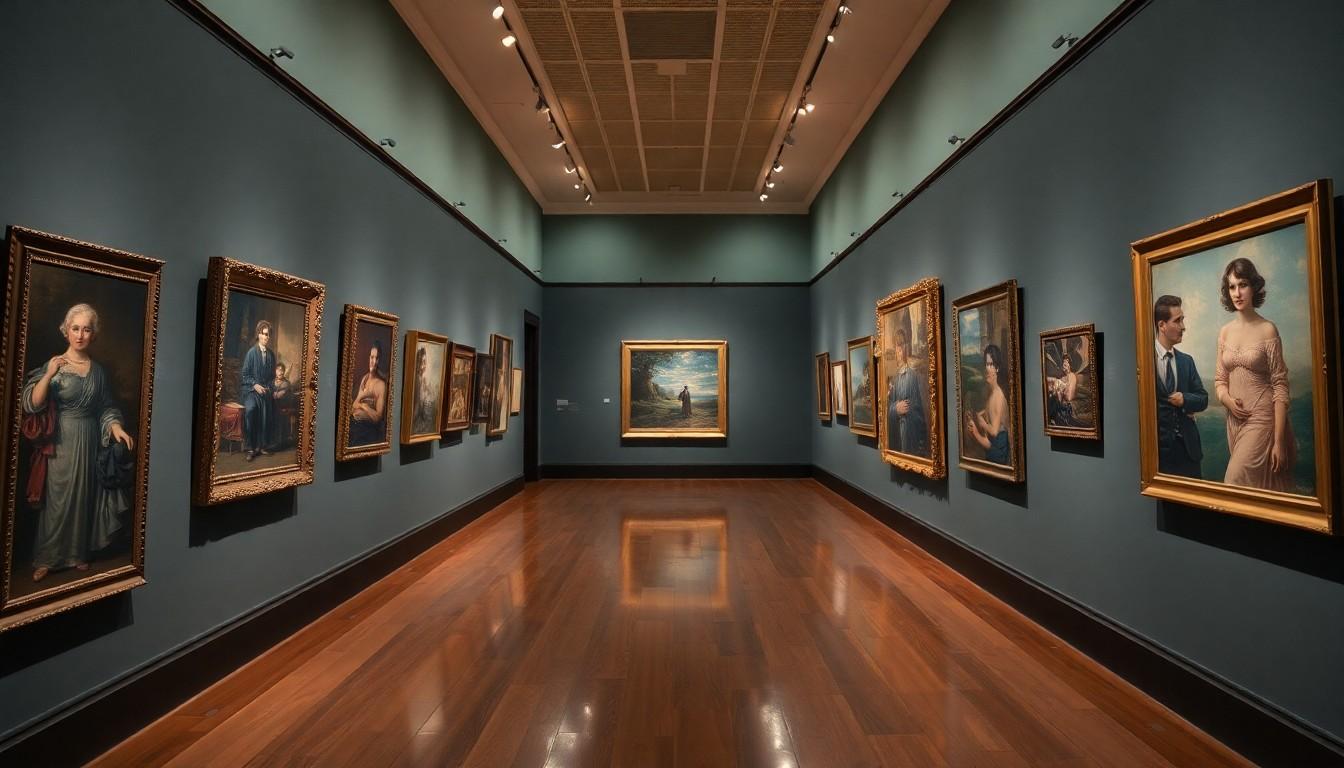
Spotting a blog that mixes art, history and LGBT+ culture is a small victory; Closet Professor does it with a wry eye, archival pictures and a clear sense of purpose, so readers who want context, curiosity and occasional nudity as art find something thoughtful and reliably human here.
Essential Takeaways
- Focused niche: Closet Professor centres on GLBT studies, history, art, literature, politics and culture, so content feels specialised and purposeful.
- Visual-forward: Posts often include historical or artistic photographs that add texture; images may contain nudity presented as art.
- Curatorial voice: The blog reads like a personal archive, with a mix of commentary, links and sourced images that reflect the author’s interests.
- Reader-friendly policy: The author invites rights-holders to request removals and gives a content warning, which helps set expectations.
Why a small blog on gay history still matters
Small, passionate corners of the web often hold the juiciest context, and Closet Professor feels like that: a single curator pointing you to overlooked artists, photos and moments in queer history. The tone is conversational and occasionally wry, which makes dense topics feel human and immediate. For readers who want to discover rather than be spoon-fed, that personal point of view is refreshing.
What you’ll actually find there
Expect a mix of short reflections, image-led posts and links back to primary material. The emphasis is on cultural artefacts, art reproductions, vintage photography and snippets of queer history, rather than long academic essays. That makes the blog a good jumping-off point for casual readers and students alike, and you’ll often leave with a name, a date or an image you want to look up.
How the blog handles sensitive material
The author is upfront about nudity in images and flags the content for under-18s, which matters if you’re browsing at work or with family around. There’s also a take-down offer for rights-holders, signalling a willingness to correct mistakes. Those small formalities show a responsible approach for a blog built on archival material and shared images.
Where this fits in the wider queer-blog ecosystem
Closet Professor sits beside academic projects and high-production magazines as a curator-led resource. It’s less polished than institutional archives but often more adventurous in what it posts. For readers tracking trends, how gay culture is being remembered and re-presented online, blogs like this reveal what piques public curiosity and which stories are being rescued from obscurity.
Practical tips for using the blog as a resource
If you’re researching, use the posts as signposts rather than definitive sources: follow links back to originals and check dates and attributions. Bookmark recurring pages or archives the author highlights, and use the content-warning note to plan where and when you browse. If you find an image you own, the author’s takedown offer makes resolution straightforward.
It's a small, lively corner of the internet that rewards patient browsing.
Source Reference Map
Story idea inspired by: [1]
Sources by paragraph: