Spotting trouble early matters: a viral clip from Puerto Princesa has Filipinos debating how to respond when visitors insult locals, especially LGBTQ+ people, and why reporting, de-escalation and clear guidance for tourists can help keep Palawan welcoming.
Essential Takeaways
- Viral incident: A video from Puerto Princesa shows a foreign tourist allegedly using derogatory slurs toward LGBTQ+ people and being struck after a heated confrontation; the clip drew thousands of reactions online.
- Local response: Witnesses say the altercation began after the tourist called a transwoman “bakla” and pushed people, and he did not seek medical help afterwards.
- Community sentiment: Many online commenters defended the locals’ reaction, saying insults, particularly during Pride Month, provoke strong pushback.
- Official angle: Authorities and tourism bodies have previously urged reporting of errant visitors and monitoring to protect both residents and tourists.
- Practical point: De‑escalation, clear local advisories, and prompt reporting are practical steps to prevent similar incidents and keep popular destinations safe.
What happened in Puerto Princesa, and why it went viral
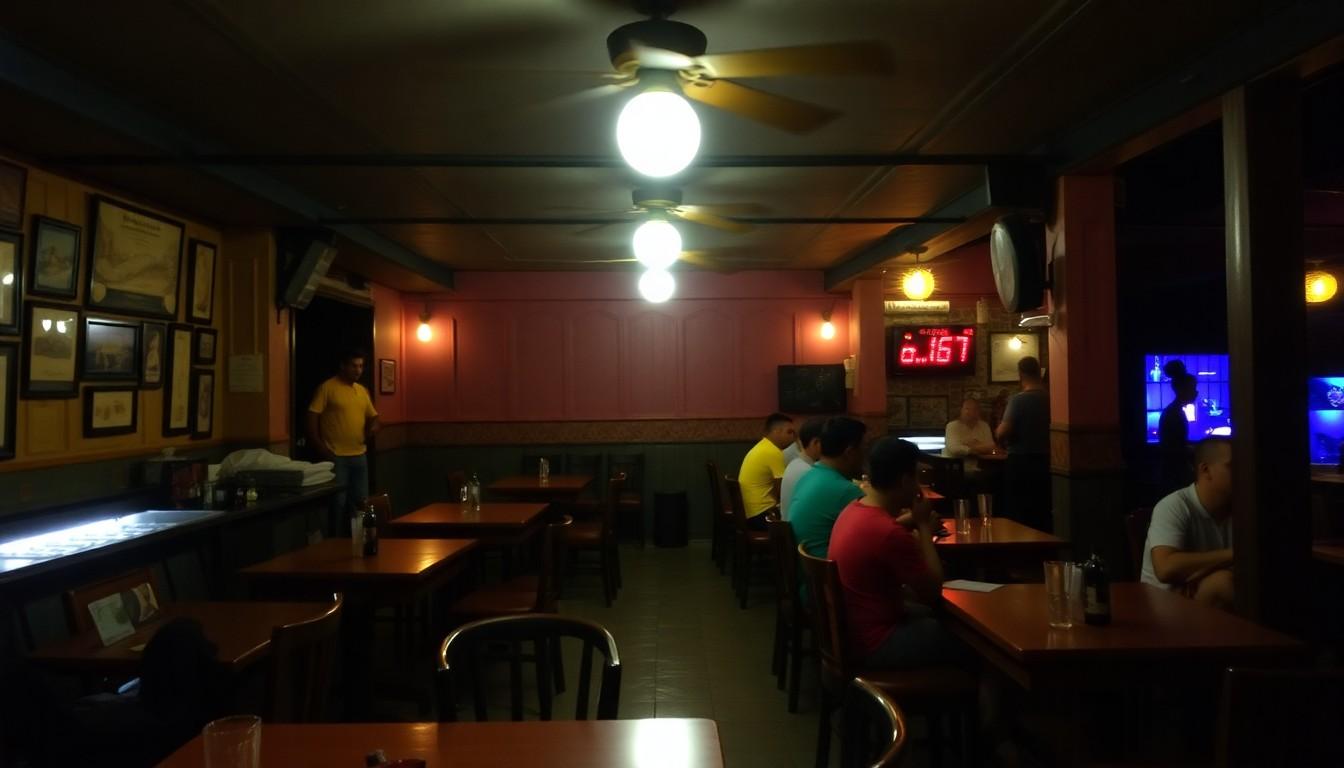
A short, grainy clip shows a bar confrontation in Puerto Princesa that quickly turned physical after alleged anti‑LGBTQ+ slurs. Social reaction was immediate , Reddit and local feeds filled with comments, many justifying the locals’ response. The sight of a foreigner being challenged on home turf carried an emotional charge, especially since the incident occurred during Pride Month, a time when queer visibility and sensitivity are heightened.
As news spread, people queued up to voice support or dismay. Online forums framed the episode in cultural terms , visitors are expected to respect local norms, and deliberate insults cross a line. That mix of outrage and defence is partly why the clip got so much attention.
Why this matters for Palawan’s tourism and reputation
Palawan is one of the Philippines’ prime tourist draws, famed for white sand, limestone formations and clear waters, so every publicised altercation risks shading visitor impressions. Tourism officials have previously asked locals and tourists alike to report bad behaviour, and incidents like this thrust the balancing act into sharper relief: protecting community dignity while keeping tourism friendly.
Tourists who behave respectfully help the local economy; those who don’t can sour relationships and invite confrontations. For island communities that depend on repeat visits, managing that dynamic is a practical priority.
How locals and visitors can de‑escalate before things get physical
When words fly in a crowded bar, small steps often prevent escalation. If you’re a local confronted with an insult, moving the discussion away from a public, alcohol‑fuelled space can cool tempers. If you’re a tourist, remembering simple respect goes a long way: apologise if you’ve offended someone, avoid name‑calling, and step back if things heat up.
Reporting is important too. Tourism bodies and police can step in before a spat becomes a scene. According to recent pushes by authorities, documenting and reporting errant tourist behaviour helps create records and can deter repeat incidents.
The broader context: safety for LGBTQ+ people and the rule of law
This clip sits at the intersection of tourism, public order and rights. Pride Month is a reminder that LGBTQ+ communities face both celebration and vulnerability; derogatory language can be more than offensive , it can be dangerous. Human rights organisations and local groups have long urged clearer protections and better reporting mechanisms for hate incidents.
At the same time, vigilance against vigilante justice matters. Physical retaliation risks legal consequences and can escalate harm for everyone involved. The humane route is to document abuse, seek official help, and rely on community and law enforcement to resolve disputes.
Practical tips for visitors, hosts and businesses in tourist hubs
If you run a bar or rent rooms, post clear house rules about harassment and training staff in calm intervention techniques. Tourists should read local guidance, mind local sensitivities, and ask if they’re unsure about cultural norms. Locals who witness abuse can record details and report to police or tourism offices rather than meet aggression with aggression.
Simple signals , a “no harassment” sign, a staff member trained to separate parties, or a local hotline number , make a difference. They protect guests and residents, and preserve the relaxed vibe visitors come to enjoy.
It's a small change that can make every visit safer and more respectful.
Source Reference Map
Story idea inspired by: [1]
Sources by paragraph: