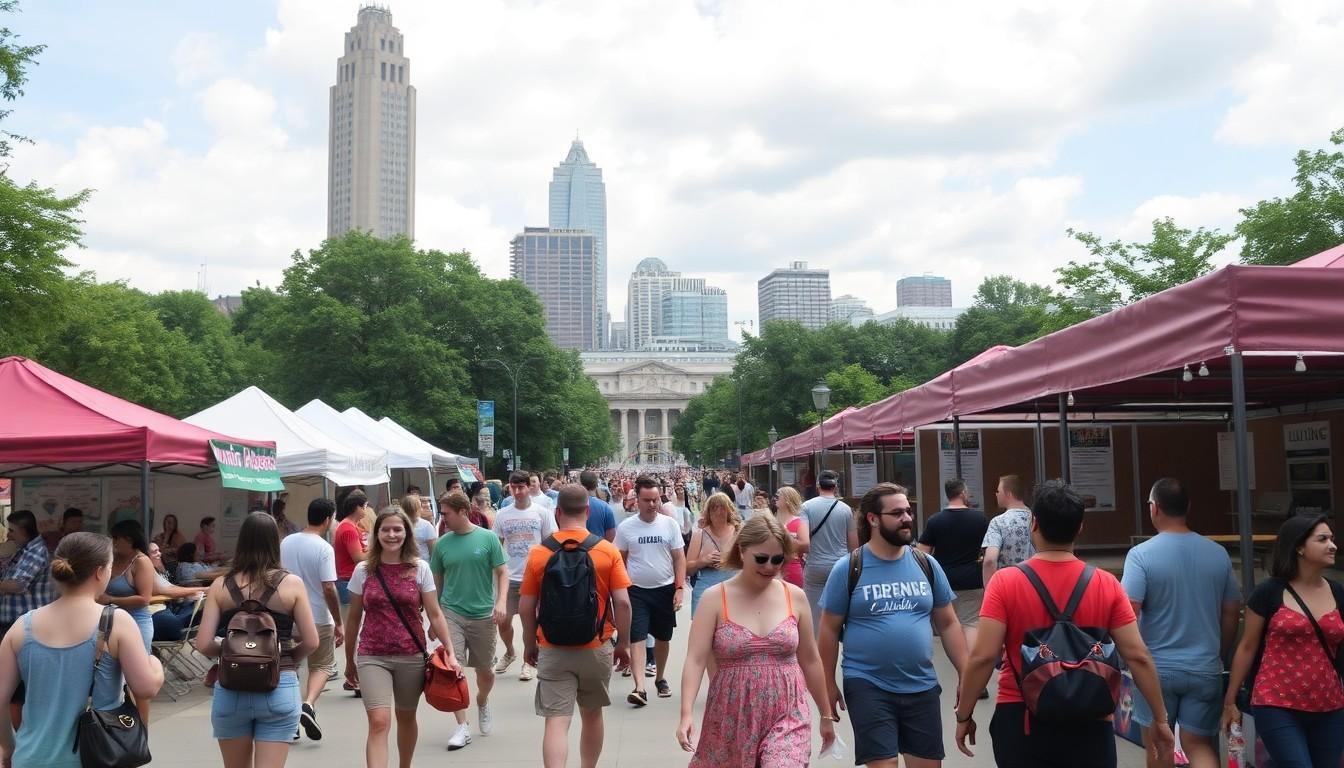
Bursting with colour and warm chatter, Twin Cities Pride drew crowds to Loring Park for music, food, art and wholehearted affirmation , a weekend that mattered because it created safe space, celebrated identity and connected local services with people who need them.
Essential Takeaways
- Vibrant atmosphere: Multiple stages, local bands and food vendors made the park feel lively and welcoming.
- Community services on show: Recovery, mental-health and disability organisations offered tailored resources and safe conversations.
- Affirmation & inclusion: Faith groups and volunteers handed out affirmations and support, creating gentle, visible acceptance.
- Real-time impact: People used on-site programming , from podcasts to recovery outreach , to come out, seek help, or feel heard.
- Accessible celebration: Organisers emphasised pluralism and safety, aiming to welcome every identity and background.
A parade that felt like a neighbourhood reunion
The marching bands and floats gave the day a joyful, communal beat, with music washing over Loring Park and people swaying in the sunshine. Local performers kept the energy high across multiple stages, while artists sold handmade jewellery and prints that made the festival feel wonderfully local. According to Loring Park event listings, organisers stage a mix of entertainment and vendor spaces to encourage lingering, not just passing through. For anyone new to Pride, it’s an easy place to soak up the atmosphere and bump into friends , or make new ones.
Services matter: recovery and mental health had visible booths
This year’s festival included booths from Foundations Minnesota and Cadre, among others, showing how Pride doubles as a practical health fair. Foundations Minnesota explained why queer-specific recovery programmes can make a real difference: people in recovery often need spaces where they can speak openly about identity without fear. Cadre, a newer mental-wellbeing startup, used the festival to host candid conversations , even on-site podcasts , that helped someone feel confident enough to come out. When Pride mixes celebration with support, it becomes a public-health win as much as a cultural one.
Faith and affirmation without judgement
Groups like the Minnesota Unitarian Universalist Social Justice Alliance handed out glitter and affirmations, emphasising love and pluralism in a gentle, tangible way. Their message underlines that spiritual life and queer identity aren’t mutually exclusive , many attendees arrive carrying complex stories about religion and belonging. Organisations that foreground acceptance at Pride help destigmatise those experiences and give people language and space to heal.
Accessibility and inclusion: small details that count
City and festival listings show organisers working to make the event accessible and family-friendly, with programming for kids and information from disability services. Those practical touches , quiet spaces, clear signage, recovery-friendly booths , change the feel of a festival from chaotic to welcoming. For families or people with mobility or sensory needs, that matters more than the headline acts; it’s how a festival becomes a place you can return to year after year.
Why these moments stick with people
The real power of Pride isn’t just the spectacle, it’s the small, restorative moments: someone receiving an affirmation, a first conversation with a recovery worker, a friend hearing a vulnerable podcast live. These point-to-point connections build community resilience. As organisers and volunteers will tell you, those micro-interactions are what turn a cheerful day into lasting support networks and new friendships.
It's a small change that can make every Pride visit feel safer, kinder and more meaningful.
Source Reference Map
Story idea inspired by: [1]
Sources by paragraph: