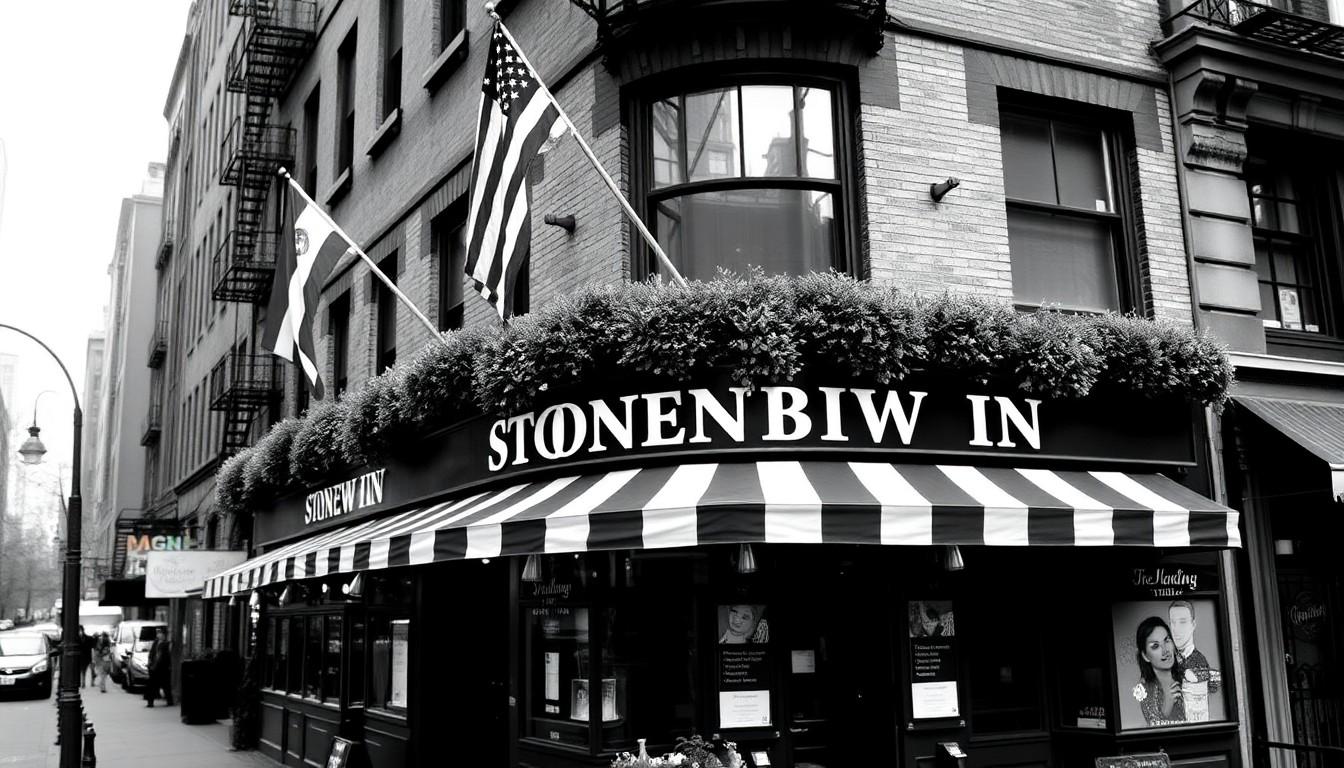
Shoppers are turning to history to push back on a New York Times op‑ed that questioned the word “queer,” and why that matters to everyday LGBTQ+ people. Who said what, where it came from, and why elders’ fights still echo in today’s debates , all explained in plain terms.
Essential Takeaways
- Context matters: The NYT essay framed “queer” as a risky, catch‑all label; historians and activists remind readers the term was reclaimed as a protest and survival tool.
- Roots of reclamation: Queer Nation and other direct‑action groups in the late 1980s and 1990s used “queer” to express anger and solidarity during the AIDS crisis.
- Trans history is central: Major early actions, from Stonewall to Compton’s Cafeteria, involved trans people of colour , the word “queer” has long included trans struggles.
- Language evolves: Personal preference matters , nobody’s forced to use “queer” , but historical context helps explain why many younger people embrace it.
- Political stakes remain: Concerns about legal rollbacks like challenges to Obergefell are real; debates over labels don’t erase ongoing threats to LGBTQ+ rights.
Why the op‑ed landed like a provocation
The immediate hook was simple: a high‑profile millennial writer told readers he rejects “queer” and fears the word damages hard‑won gains. That’s a striking claim because it came from inside the community, not from an outside critic, and it foregrounds marriage equality and perceived political risk. According to coverage of the essay, the author linked use of “queer” to a broader cultural shift that he believes unsettles moderate supporters. For many readers, that felt like erasing younger and activist histories that used the word as a deliberate provocation.
Where “queer” came from , and why activists chose it
The term didn’t appear out of nowhere. In the late 1980s and 1990s groups such as Queer Nation adopted “queer” as a rallying cry, a way to transform a slur into something defiant and communal during the height of the AIDS crisis. Historical accounts and manifestos show the choice was strategic: it voiced anger, rejected polite assimilation, and demanded visibility. Those actions helped shape public protest tactics and language, and they’re why many long‑time activists still see “queer” as an honouring, not an insult.
Don’t forget trans people and early rebellions
It’s easy to focus on one milestone and forget the rest. Stonewall, Compton’s Cafeteria, the White Night Riots and ACT UP were messy, urgent and often led by trans people and people of colour. Historians and community historians point out that these moments birthed Pride as we know it, and that “queer” has functioned as an umbrella precisely because the movement was intersectional from the start. So when debates over labels ignore that history, they risk sidelining the very people who’ve carried the movement forward.
Personal choice vs collective memory: an awkward balance
There’s a simple moral here: you get to pick how you identify. Lots of people, across generations, decline the word “queer” for personal or generational reasons. That’s valid. The rub comes when individual preference is used to rewrite or diminish collective memory. Language changes, and younger generations often repurpose words as part of identity work. Understanding both positions , the desire for respectability in some quarters and the need for radical reclamation in others , helps explain why the argument keeps resurfacing.
Why this debate matters for rights, not just semantics
Beyond feelings about words lies a political field where legal protections and public opinion matter. Fights over marriage equality, ongoing anti‑trans legislation and culture‑war politics mean labels are never merely personal; they have tactical implications for coalition‑building and public messaging. But collapsing that complexity into “use this label or lose rights” is misleading. Historical context shows protest language has long been part of survival strategy, and today’s debates should account for both safety and solidarity.
It's a small change in vocabulary that can mean a lot , and remembering the past helps us argue smarter about the future.
Source Reference Map
Story idea inspired by: [1]
Sources by paragraph: