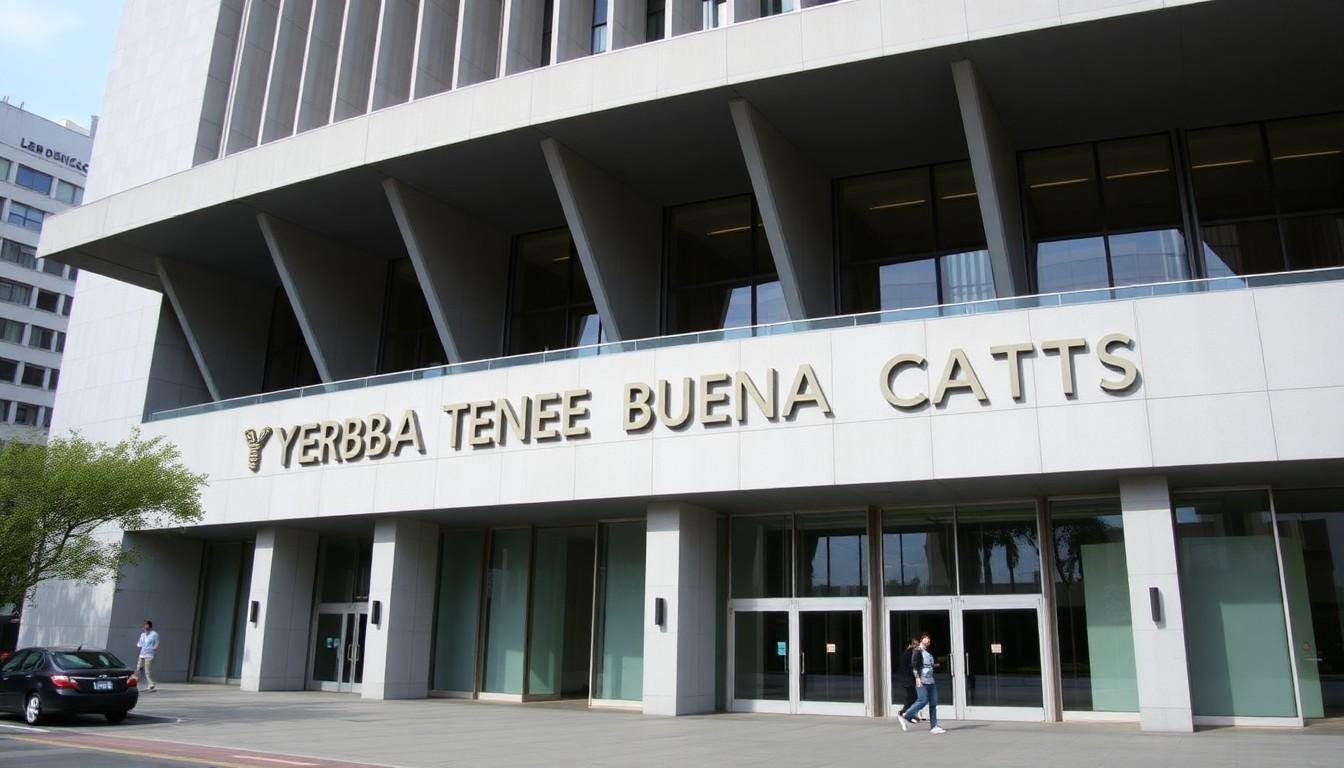
Discover bold, tender and stubbornly joyful work at Yerba Buena Center for the Arts, where Conjuring Power: Roots & Futures of Queer & Trans Movements traces histories, sparks conversations and invites visitors to imagine new futures through print, film, photography and participatory art.
Essential Takeaways
- What it is: A multimedia exhibition at YBCA spotlighting queer and trans activism, creativity and community across generations.
- Artists featured: Works by Bay Area voices such as Serge Gay Jr., Ester Hernández, Tanya Wischerath and Crystal Mason, plus youth work from the Queer Ancestors Project.
- Experience: Murals, linocuts, documentary photos, videos with headsets and an interactive “Invocation for a Dream” that asks visitors to write their hopes.
- Practicals: On view through 23 August at 701 Mission St., San Francisco; general admission $10, discounts for seniors and students, free for under-18s.
- Tone and feel: Poignant, political and playful , expect grief, resistance and defiant joy in equal measure.
An opening that feels like a rally and a reverie
Step inside and you’ll be met with colour, texture and a hush that’s somehow both reverent and urgent. According to Yerba Buena Center for the Arts, the show mixes archival posters and buttons with contemporary prints and videos to map how creativity and activism have fed one another. The first impression is sensory , large-scale imagery, layered sound and a scent of paper and ink , and it sets the emotional register right away.
The curators deliberately foreground both celebration and sorrow, so visitors encounter jubilant imagery alongside documentation from the AIDS years. That balance feels intentional: the past isn’t an exhibit in a glass case, it’s a living toolkit for resistance and healing.
Roots: tracing queer lineages through prints and community work
A strong strand of the exhibition is the Roots theme, which highlights lineage and continuity. Prints by artists connected to the Queer Ancestors Project depict Two Spirit, Indigenous and diasporic experiences, and they read like a map of under-told histories. The project itself runs workshops in printmaking and queer history for young artists, which makes the gallery a place of intergenerational exchange, not just display.
Practically, this means the show pulses with hand-made marks: linocuts and prints that feel tactile and personal. If you care about craft as a form of storytelling, these pieces reward close looking , you’ll notice small, deliberate details that link back to people and places.
Futures: how participatory work invites your imagination
At the end of the route you’ll find Crystal Mason’s interactive Invocation for a Dream, where visitors are prompted to answer questions on the wall and on paper. It’s a simple gesture but effective; people stop, write and linger. The installation turns the audience from spectator into co-creator, which is the point , futures are conjured, not predicted.
For anyone wondering how to bring this home, try the same exercise: ask your community what seeds you want to plant and write them down. The act of naming makes collective dreaming practical and oddly empowering.
Spotlight on Serge Gay Jr. and archival resistance
Serge Gay Jr.’s work anchors much of the exhibition’s energy. His mixed-media pieces , from deeply emotional, almost haunted figures to a rousing “Gay Revolution” poster and a wall of large queer-positive buttons , zip between grief and defiance. The buttons, drawn from archives, feel like relics that still hum with relevance.
Archivally driven work here does more than memorialise; it shows how visual culture has fuelled movements. When you see vintage designs beside contemporary reinterpretations, you get a clear sense of continuity and creative inheritance.
Viewing tips and why this matters now
Go on a weekday if you want fewer crowds, and allow at least an hour so you can watch videos, try a headset and sit with the oral-history clips that appear throughout the show. Yerba Buena’s combination of community-based projects, archival material from local collections and contemporary commissions makes this a compact primer on queer and trans activism in and beyond the Bay Area.
This is the sort of exhibition that leaves you thinking about legacy and responsibility. It asks you not only to witness but to act , whether that’s supporting local queer arts groups, joining workshops, or keeping the conversations alive with friends.
It's a small shift in how you look at art that can make every visit feel like participation.
Source Reference Map
Story idea inspired by: [1]
Sources by paragraph: