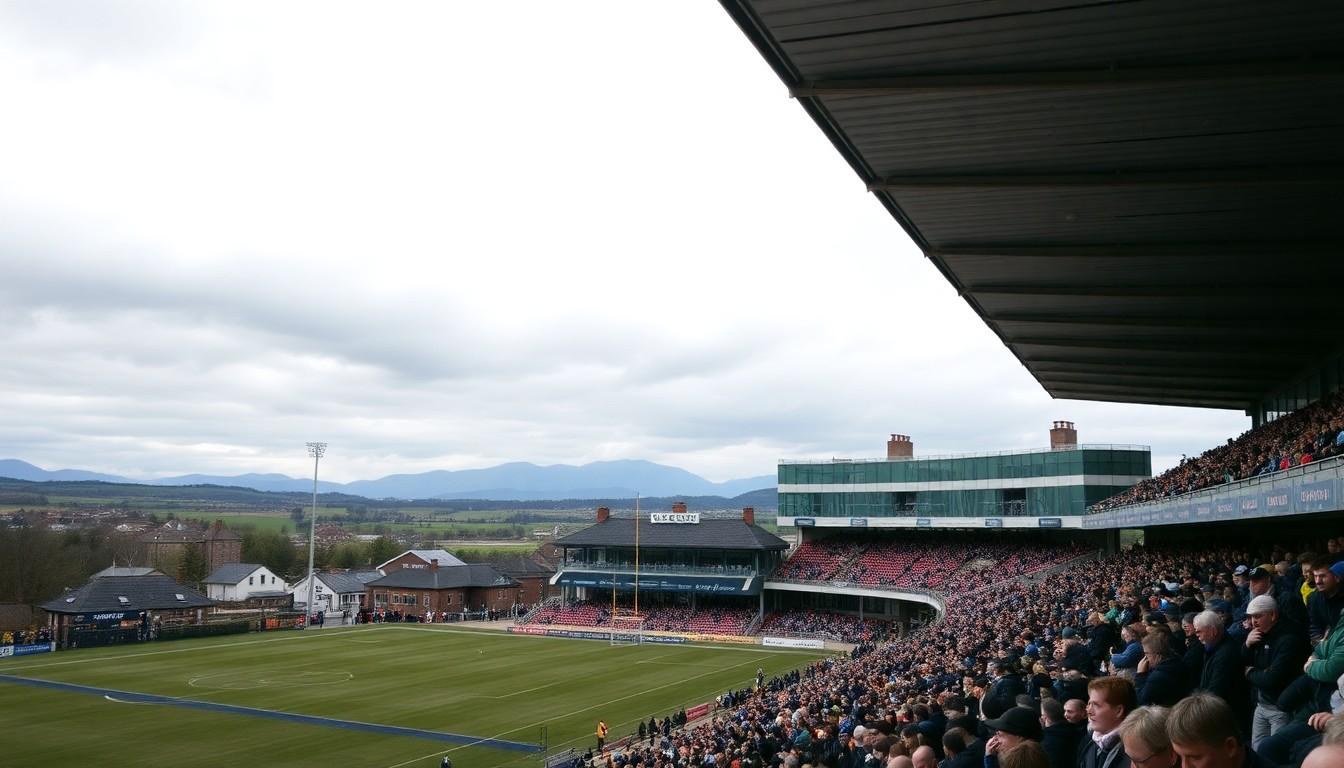
Shoppers are turning to feel-good sport stories: Keighley Cougars, bought by Ryan O’Neill and Kaue Garcia, have become a striking example of grassroots Pride in action, showing how a small rugby club in West Yorkshire can make LGBTQ+ inclusion visible, joyful and sometimes controversial , and why that matters for towns across Britain.
Essential Takeaways
- Heart-led takeover: A London-based couple bought Keighley Cougars in 2019 to save the club, prioritising community over profit.
- Pride at the pitch: The club stages Pride games with rainbow flags and drag performers, drawing bigger crowds and cross-generation smiles.
- Pushback and resilience: Visible inclusion brought sponsorship losses and online abuse, including high-profile criticism, but the owners have doubled down.
- Local and national impact: The club’s moves link to wider rugby initiatives marking LGBT+ History Month and growing support from local Pride groups.
- Practical reassurance: Keighley keeps saying the welcome is genuine , signage and events focus on safety, celebration and belonging.
A rescue mission with a loud, colourful flag
The couple who bought Keighley Cougars didn’t pick the club because it looked like a savvy investment; they picked it because it was a place full of personal history and heart. The scene at Cougar Park can be unexpectedly warm , rainbow flags, families, and people laughing with a drag performer on the pitch create a lively, celebratory hum. According to the club’s own account, the takeover in 2019 was driven by a desire to save the club, not turn a profit, and that emotion still steers decisions today. For local people who remember harder times at the ground, seeing the club flourish with Pride at its centre has been quietly potent.
Turning Pride into a community day out
What surprised many was the reaction from regulars: some of the club’s toughest, most weathered fans came to a Pride match and stayed, intrigued and entertained rather than offended. The game-day atmosphere shifted from “us and them” to “us together” as older supporters joined in and families felt safe to attend. That human exchange , a handshake, a shared laugh, a parent holding a rainbow flag , is exactly the kind of civic shifting that changes attitudes over time. For anyone running a sports club, the takeaway is simple: visibility coupled with friendly programming can broaden audiences.
When standing up for inclusion invites backlash
Visibility isn’t cost-free. Advocating for trans inclusion brought a fierce online response after a prominent trans broadcaster was appointed club patron, and some sponsors quietly disappeared when rainbow flags went up. The owners faced death threats and criticism from figures who are, paradoxically, often assumed to be allies. Faced with sustained abuse and personal strain, the couple briefly considered selling; but messages from supporters at home and abroad convinced them to stay. That arc shows how a small club’s stance can ripple into national debates , and how resilience, not retreat, becomes the strategy.
How Keighley links to wider rugby moves on LGBT+ inclusion
Keighley’s approach sits alongside wider initiatives in the sport: national rugby bodies and other clubs have begun dedicating matches and campaigns to LGBT+ History Month, signalling a shift in the game’s culture. Industry announcements and community partnerships have normalised the idea that rugby grounds can be spaces for celebration, not exclusion. For local organisers, the lesson is to align events with broader campaigns and use institutional support to weather controversy. Fans, meanwhile, get a more inclusive match-day experience.
Practical tips if you want your local club to be more inclusive
If you’re part of a club thinking of doing something similar, start small: add clear signage that says “Everyone is welcome here,” programme one inclusive match day, and invite local LGBTQ+ groups to co-host activities. Be prepared for some sponsors to be cautious and for online chatter to get noisy; plan communications that emphasise safety and community benefits. And remember why you’re doing it , for most people at the ground, these events are simply fun, loud, and human.
It's a small change that can make every match feel more like a neighbourhood celebration.
Source Reference Map
Story idea inspired by: [1]
Sources by paragraph: