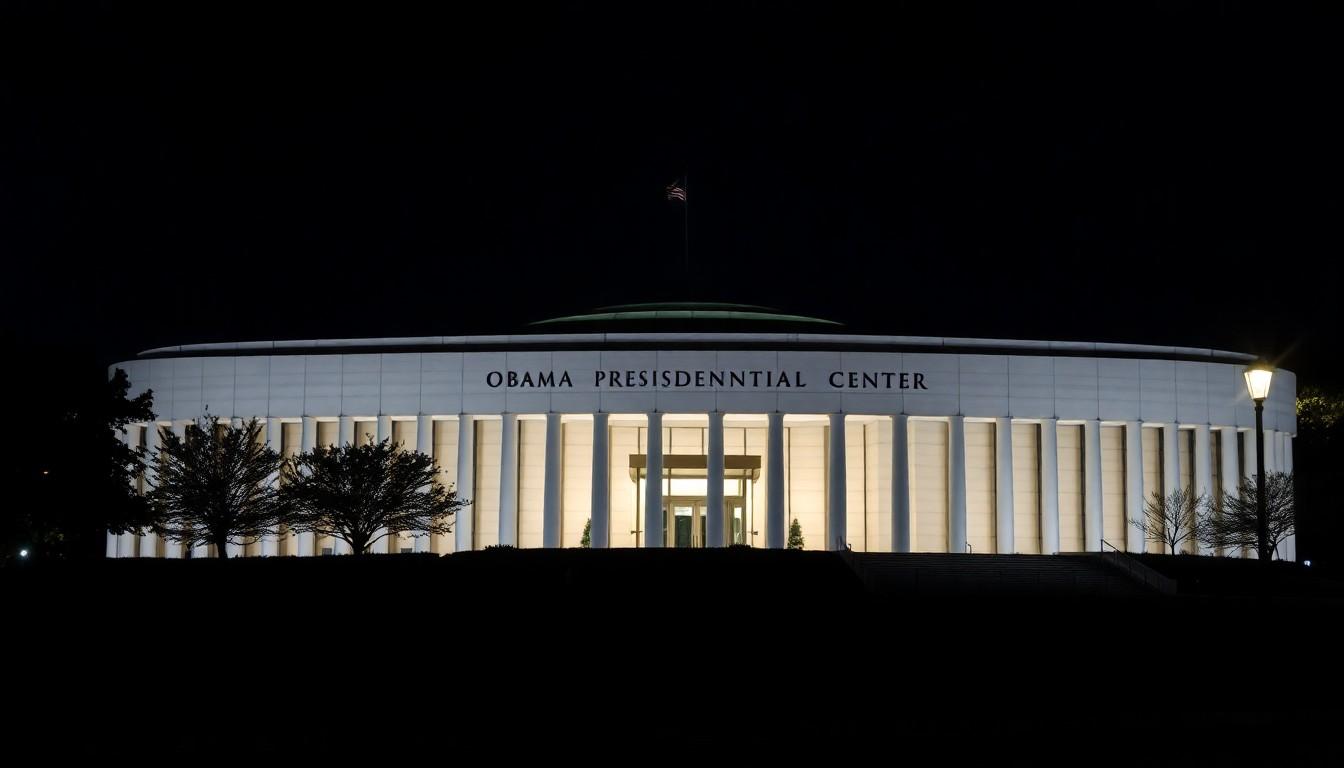
Shoppers and museumgoers are noticing a quiet but powerful inclusion at the Obama Presidential Center: artefacts and photos honouring two San Antonio veterans whose activism helped end the military ban on openly gay service. Their story , service, injury, protest and partnership , is now on display in Chicago, and it matters to anyone who cares about civil rights and military history.
Essential Takeaways
- Who’s featured: Two veterans from San Antonio, Danny Ingram and Eric Alva, are included in the Obama Presidential Center displays for their roles in repealing the “Don’t Ask, Don’t Tell” policy.
- Tangible artefact: An armband worn by Ingram that read “Lift the ban” is part of the museum collection, giving visitors a tactile link to protests of the era.
- High-profile moments: Alva, wounded in Iraq, appears in photographs from key repeal events, including the House passage and public advocacy with the Human Rights Campaign.
- Lasting context: The repeal signed under President Obama closed a chapter that saw tens of thousands discharged under policies banning homosexual conduct.
- Ongoing debate: Both veterans note the repeal left gaps , especially for transgender service members , and see recent policy shifts as setbacks.
A striking detail: an armband that tells a long story
The exhibit’s quiet centrepiece is an armband that reads “Lift the ban,” which belonged to Danny Ingram and now sits in the Obama Presidential Center. It’s small and unassuming, but it smells of smoke, sweat and long marches when you picture it , and that helps make the political personal. According to museum materials, the Obama Foundation reached out to veterans’ groups for items tied to the repeal effort. That armband links grassroots protests to the eventual law change and gives visitors something immediate to focus on. If you plan a visit, look for it near photos of rallies and petitions; it’s the sort of object that sparks conversation about how movements build momentum.
Two veterans, different journeys to the same cause
Danny Ingram and Eric Alva reached similar public places through very different routes. Ingram was discharged under the policy in the 1990s after privately volunteering with LGBT veterans’ groups and later helped lead veteran advocacy organisations. Alva, a Marine wounded in the opening days of the Iraq conflict, became a public advocate after coming out in 2007. The museum pairs their images and items to show both the policy’s costs and the courage of those who challenged it. Their stories also show how injured or discharged service members moved from battlefield and barracks to podiums in Washington, D.C., shaping national debate.
How repeal unfolded and why it mattered then
“Don’t Ask, Don’t Tell” was a compromise law that followed a patchwork of earlier directives; it let gay people serve only if they stayed quiet about their sexuality. The policy led to thousands of discharges across decades, and veterans’ advocates argue the military lost talent during active conflicts. The repeal , finalised under President Obama , was a turning point that many veterans celebrated as restoring dignity and readiness. Museum captions and official records frame the change as both a legal and cultural milestone, and the exhibit situates personal narratives alongside legislative milestones so visitors can see the link between activism and lawmaking.
What the exhibit says about memory and the work left to do
Placing these items in a presidential centre does more than memorialise wins; it invites critique and reflection. Alva and Ingram themselves have pointed out who was left out of the victory: transgender service members, whose status remains contested. The display nods to that unfinished business, reminding visitors that civil-rights progress rarely closes every gap. For museum-goers, that’s a useful lesson: history is a living conversation, not a sealed case. Expect the exhibit to nudge visitors to ask uncomfortable questions about inclusion, policy churn, and whose service gets recognised.
Visiting tips and why this matters to San Antonio and beyond
If you’re heading to Chicago, give yourself time in the Obama Presidential Center to read captions and linger by the personal objects; small items like Ingram’s armband reward close inspection. For veterans, activists, or anyone interested in military policy, the exhibit offers both headline moments and granular detail , photographs from November caucuses, campaign archives and a sense of how local lives intersect with national change. And for San Antonio, the display is a civic nod: two locals are part of a story that reshaped who could serve openly in the U.S. military.
It’s a small change that can make every visit feel more personal and every policy debate a little more human.
Source Reference Map
Story idea inspired by: [1]
Sources by paragraph: