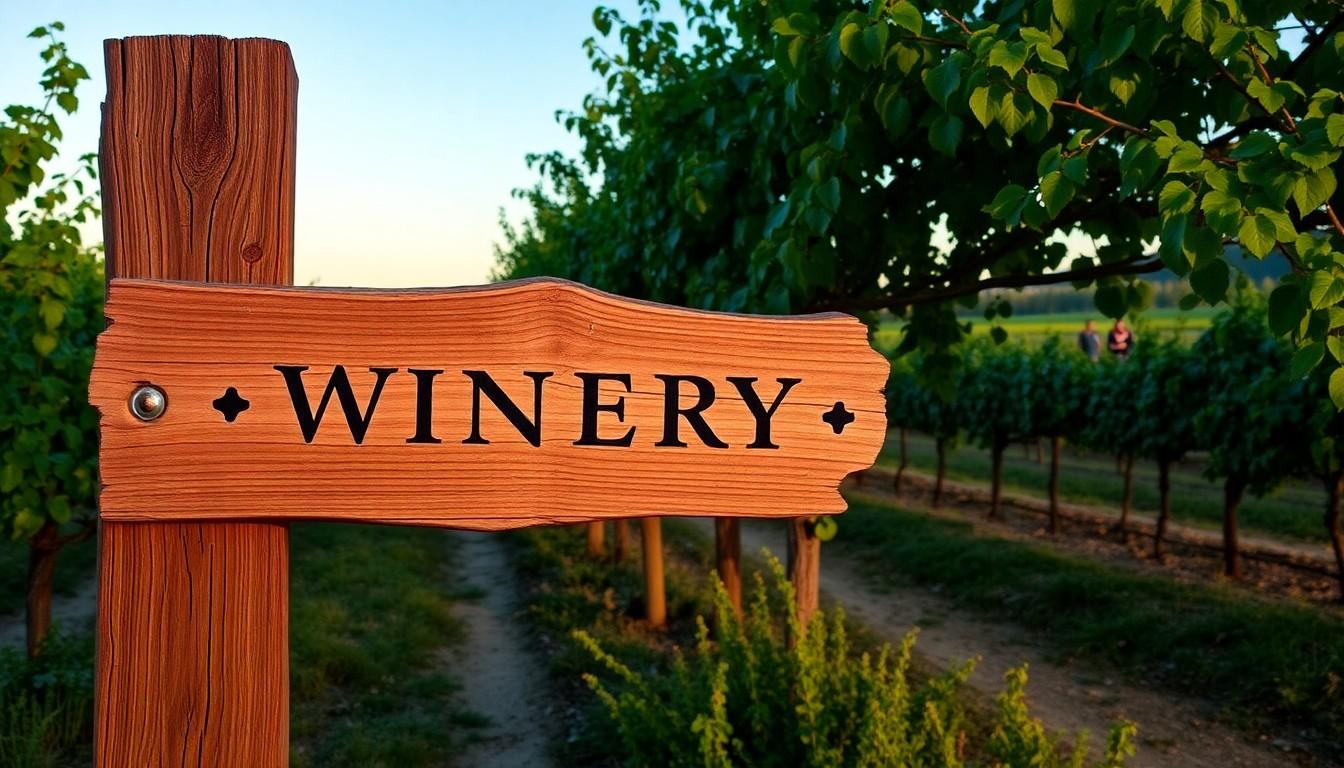
Shoppers are turning up the volume on Sonoma’s summer queer social calendar as two iconic gatherings return , Gay Wine Weekend (July 17–19) and Lazy Bear Week (July 27–August 3). Visitors come for vineyards, pool parties, T-dances and community , and leave with new friends, sun-kissed memories and a sense of belonging.
Essential Takeaways
- Dates and locations: Gay Wine Weekend runs July 17–19 in Sonoma Valley; Lazy Bear Week is July 27–August 3 in Guerneville.
- Event highlights: Wine dinners, winery tours, Twilight T-dance, drag brunch and pool parties at Gay Wine Weekend; pool parties, hikes, T-dances, movie nights and sober meetups at Lazy Bear Week.
- Price and access: Gay Wine Weekend ticket tiers range broadly; Lazy Bear’s all-access Bear Tag is $241.65 and includes about 20 events.
- Community impact: Gay Wine Weekend’s auction supports Face to Face (Sonoma County HIV/AIDS services); Lazy Bear Fund donates proceeds to local clinics, schools and food banks.
- Feel and vibe: Both gatherings favour a come-as-you-are, body-positive spirit , from polished winery evenings to relaxed, riverside bear culture.
A vineyard weekend that started with a T-dance , and grew into a Sonoma staple
The image of twinkling lights and wine glasses explains part of the appeal; Gay Wine Weekend began as a single T-dance and quickly became a three-day celebration that feels both elegant and warmly familiar. Organiser Gary Saperstein turned a one-off idea into an annual destination by listening to guests and layering tastings, winemaker dinners and late-night parties. According to event materials, the weekend now mixes VIP receptions, winery tours and a drag queen brunch with auction, striking a balance between luxe winery ambience and joyful community rituals. If you want a tip: book winemaker dinners early , they’re a big draw and sell out fast.
Why Lazy Bear Week grew from a weekend into a full week of bear-powered fun
What began in 1996 as a fundraising weekend has expanded into a week because people wanted more time together. The Lazy Bear Fund now programmes roughly 20 events across seven days, from bonfires and T-dances to silly offerings like glow-in-the-dark putt-putt. Organisers emphasise safety and community: they provide security, medics and a sober track of daily meetings, and they don’t sell day passes to reduce risk. If you’re new to the bear scene, expect an unpretentious, body-positive crowd and plenty of chances to relax by the river or at organised socials.
Tickets, costs and what you actually get for your money
The two events approach pricing differently. Gay Wine Weekend keeps a range of ticket options , from single events to packages , with an eye to offering value compared with rising winery tasting fees. Lazy Bear bundles access into the Bear Tag, priced at $241.65, which covers entry to its full suite of events and funds local charities. Volunteers can earn complimentary Bear Tags by contributing eight hours of service, which helps keep the festival accessible. Practical advice: check event websites for early-bird offers, and budget for transport if you plan to visit multiple wineries or parties.
How organisers keep the parties relevant to a younger, more diverse crowd
Both events have shifted with the times. Gay Wine Weekend tapped influencers and added niche dinners , women’s and vegan winemaker dinners , to broaden appeal, while also keeping classics like the Twilight T-dance. Lazy Bear has embraced inclusivity too, inviting people of all genders, ages and backgrounds and expanding programming to appeal beyond the traditional bear demographic. The post-COVID rebound nudged organisers to be more intentional about diversity, resulting in younger and more varied attendees. My suggestion: follow the events on social channels for pop-up info and last-minute party updates.
Community giving, safety and the longer backyard impact
Neither festival is just about fun; both channel funds back into the local community. Gay Wine Weekend’s auction benefits Face to Face and has raised substantial sums over the years, and Lazy Bear funnels donations to clinics, schools and food banks. Organisers also prioritise safety , from medical staff on site to limitations on single-day access at Lazy Bear , which keeps both events sustainable. Looking ahead, expect smaller wineries to remain cautious about participation, so organisers are working to show the business case for involvement.
It's a small change that can make every summer gathering feel like a homecoming.
Source Reference Map
Story idea inspired by: [1]
Sources by paragraph: