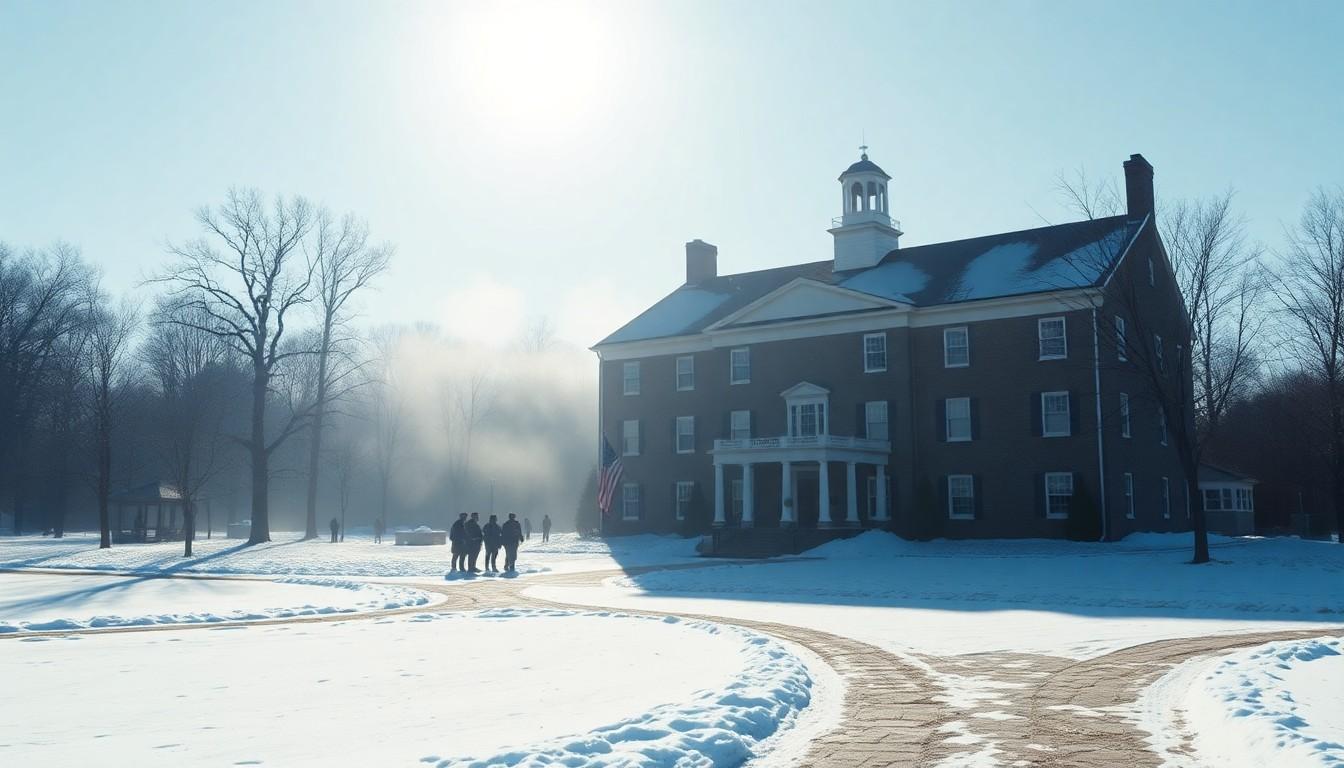
Shoppers are turning to history with fresh eyes: we're remembering the queer people who quietly shaped the United States, from a stern Prussian drillmaster who made the Continental Army fight like a unit to 19th‑century political partnerships that rewrote private life. These are the lesser‑told, often surprising chapters of the semiquincentennial.
Essential Takeaways
- Von Steuben’s impact: Friedrich Wilhelm von Steuben’s training turned ragged militias into disciplined regiments, with a clear, steady approach to drills and camp life.
- Ben Franklin’s recommendation: Franklin vouched for von Steuben’s military skill despite rumours about his private life, focusing on ability over gossip.
- Service despite bans: Gay service members continued to serve across US history, often facing discharge; Leonard Matlovich’s 1970s challenge became a landmark moment.
- Private partnerships mattered: Political life sometimes hid domestic partnerships, as with William Rufus King and his close relationship with James Buchanan.
- Cultural memory shifts: Contemporary commemorations and Pride history are bringing these stories into the open again, with a mix of celebration and debate.
Why a Prussian sergeant major still matters on Independence Day
Von Steuben’s drillbook and stern voice changed how the Continental Army moved, fed and drilled, and you can almost hear the snap of uniforms when you read about his programmes. According to historians, his manual standardised drill across disparate units, making battle formations and camp routine predictable and effective. Ben Franklin’s endorsement helped get him to Washington’s attention, and Washington’s willingness to overlook personal rumours in favour of military skill proved decisive. If you’re touring Revolutionary sites this summer, look for references to his model platoon drills , they’re the quiet reason several early American victories felt organised rather than chaotic.
How leaders chose competence over gossip , then and now
Franklin knew of the rumours about von Steuben’s sexuality but, as reports suggest, he judged the man on merits rather than morals. Washington likewise prioritised results; the general’s reports and correspondence show gratitude for von Steuben’s transformation of the army. This pragmatic choice mattered because early success on the battlefield bought political breathing room for the revolutionary cause. It’s a useful reminder today: historical figures made choices situated in their moment, and those choices reshaped national survival.
Service under pressure: gay troops who stayed, fought and challenged the rules
Gay people have served in American arms across eras despite formal bans and social stigma. Leonard Matlovich’s decision to come out in the 1970s and then legally fight his discharge brought the issue of gays in the military into public view, and his tombstone message still echoes , a mix of defiance and sorrow. Advocacy, court rulings and policy changes over decades show how individual acts of courage can push institutions toward reform. If you’re weighing modern policy debates, Matlovich’s story is a clear throughline between personal courage and institutional change.
Queer domestic life in the halls of power , what historians now probe
Not every influential relationship looked like a modern partnership, but domestic arrangements mattered; William Rufus King’s long relationship with James Buchanan invites fresh scrutiny of how intimate life shaped public decisions. Historians use letters, household records and contemporary gossip to piece together these lives, and that patchwork often tells us as much about Victorian discretion as it does about personal affection. These stories complicate tidy national narratives , they show private companionship operating alongside political ambition. Expect more museums and reinterpretations to foreground these domestic histories in forthcoming anniversaries.
Memory, museums and the semiquincentennial , what to watch for
This 250th anniversary has encouraged institutions to diversify whose deeds they honour, and Pride events and history projects have highlighted previously hidden contributions. New plaques, museum displays and walking tours are starting to include figures like von Steuben and Matlovich, and publications from outlets such as the Washington Blade and History.com are fuelling public interest. If you want to engage, look for local events that pair traditional history with LGBTQ+ scholarship , you’ll get context, nuance and stories that surprise. The cultural shift is small but steady: history is becoming less about a single story and more about the crowded, complicated one we actually lived.
It's a small change that lets more of us recognise the people who quietly shaped the country.
Source Reference Map
Story idea inspired by: [1]
Sources by paragraph: