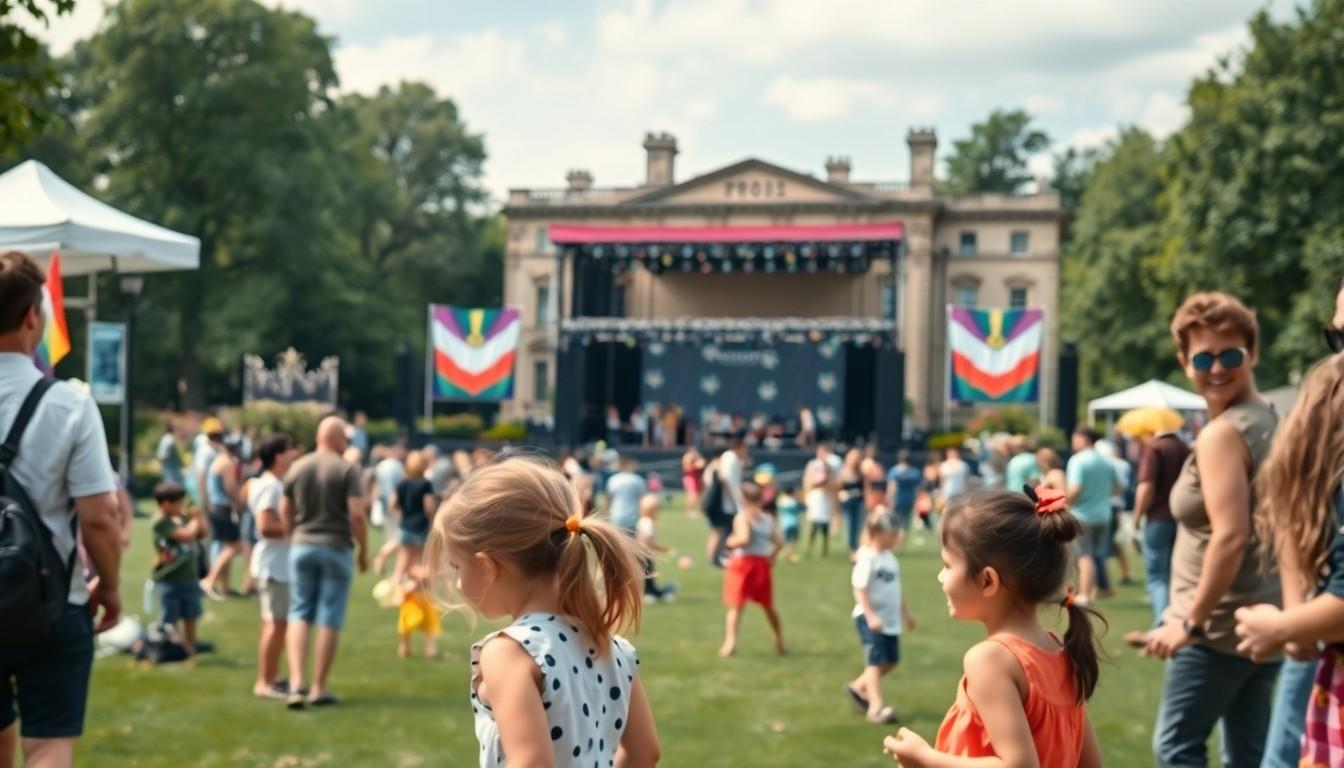
Shoppers, marchers and curious visitors are increasingly seeing a Pride that’s wider, louder and more representative. From small secret gatherings to Indigenous and trans-led events, here's how Pride in Canada has evolved , and why that matters for queer folks and allies today.
Essential Takeaways
- Historical roots: Early Pride meet-ups in Canada were small, sometimes masked, quiet affairs born from the need to be seen and safe.
- Growth through the 1980s: Major city festivals took shape in the 1980s, with Toronto and Vancouver anchoring annual Pride celebrations.
- Trans and Two-Spirit visibility: Trans marches and Indigenous Pride milestones in recent decades have broadened who’s centred.
- Diverse programming: Modern festivals now offer sober, family, asexual, bisexual and culturally specific events that feel welcoming.
- Community input matters: Organisers increasingly invite feedback to ensure Pride reflects evolving queer communities.
How tiny, furtive gatherings became public festivals
The earliest Pride moments in Canada were often furtive, intimate and sometimes anonymous, with people hiding faces for safety. Museums and community historians note that those gatherings were as much about survival as celebration, a quiet saying of “we exist” in a hostile landscape. Over time, those dozen-strong picnics and neighbourhood meetings grew into the multi-day city festivals we know now. If you stand on a parade route today you can still feel the trace of that courage , the shy energy transformed into bold colour.
The 1980s: when Pride found a civic rhythm
By the early 1980s, Toronto and Vancouver were staging more public Pride events, and other cities followed. That decade stitched a national pattern: smaller towns and provincial capitals started holding marches or Pride weeks, often with only a few dozen participants at first. Historical timelines show a clear momentum: as attendance swelled, so did visibility and the political muscle of local communities. For anyone organising a new event, the lesson is simple , consistent annual action builds both numbers and legitimacy.
Trans and Two-Spirit people pushed the conversation wider
Trans people and Two-Spirit Indigenous folks reshaped what Pride could look like. The emergence of trans-led marches and the later inclusion of Two-Spirit events signalled that Pride couldn’t be one-size-fits-all. Trans marches in major cities and the first official Indigenous Pride gathering are milestones that changed programming and parade representation. Today, naming and centring specific experiences , whether trans, Two-Spirit, or otherwise , helps events feel relevant to those communities, not just visible.
Programming that finally matches a bigger community
Modern Pride schedules tend to be kaleidoscopic: family-friendly mornings, sober spaces, arts showcases, and nights tailored to different cultural communities. Festivals are programming for Latinx, Black, South Asian, Filipino and many other diasporas alongside dedicated events for bisexual and asexual people. That diversification isn’t decorative , it’s practical. When an event has quiet zones, interpreters, All Ages options and culturally specific line-ups, more people can take part comfortably. If you’re choosing which events to attend, check accessibility, content warnings and whether an event is community-led.
Why organisers are asking to be better listeners
Organisers are increasingly inviting feedback because Pride has to respond to changing needs. Websites and community boards now often include open calls for ideas, reflections and criticism, because representation that isn’t accountable feels hollow. Public-facing groups say, in effect, “this is your space to be heard,” and that changes the tone of planning meetings and parade routes alike. For communities and allies, the practical takeaway is to participate beyond showing up , send feedback, volunteer for planning tables, or support grassroots acts financially.
It's a small change that can make every Pride day more welcoming.
Source Reference Map
Story idea inspired by: [1]
Sources by paragraph: