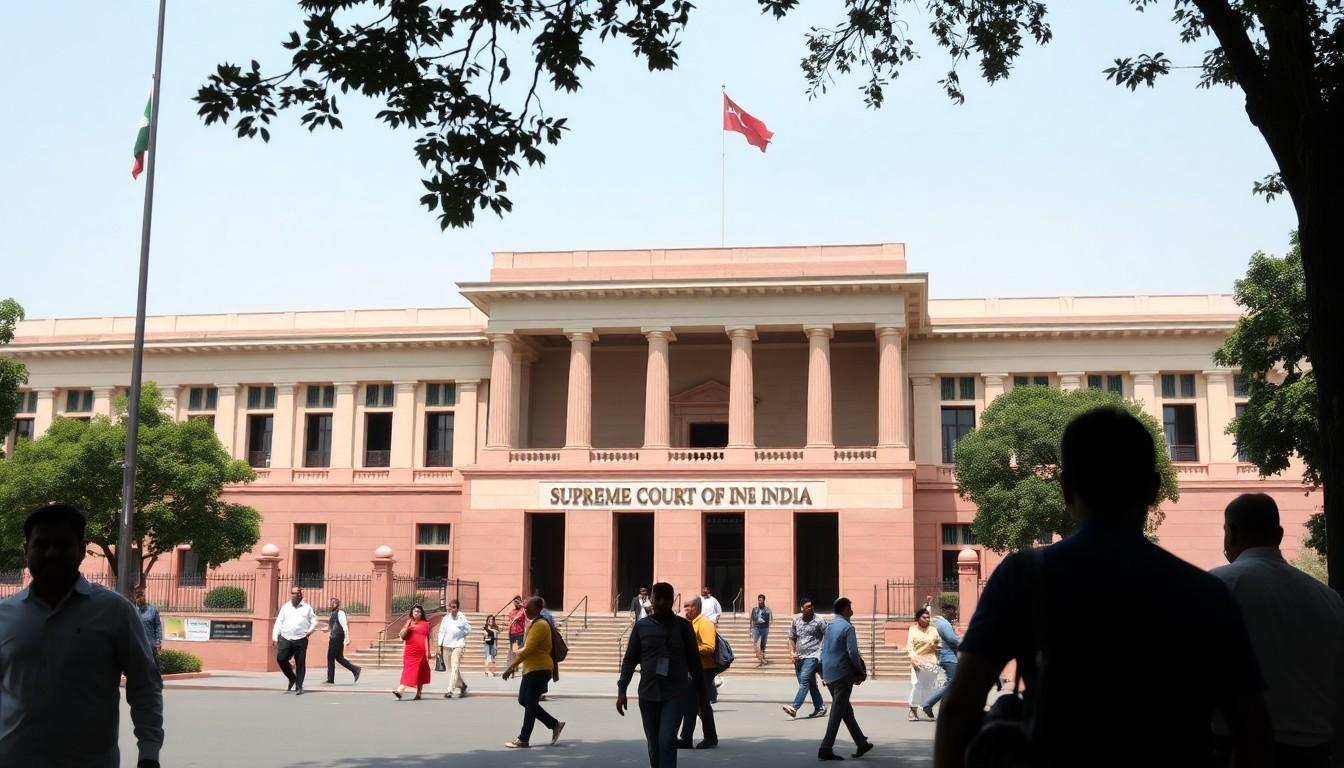
Shoppers are turning to stories of survival: activists and scholars say legal wins have not translated into day-to-day safety for queer people across India, and practical anti-discrimination measures are the next battleground. Here’s why policy details, access and implementation matter for real lives.
Essential Takeaways
- Legal milestone: The Supreme Court’s 2018 reading down of Section 377 opened doors legally, but everyday discrimination persists and often goes unremedied.
- Policy gap: Committees and amended laws have been set up, yet activists say consultations were limited and key protections weakened, leaving many without recourse.
- Selective recognition: Recent amendments narrowly define who counts as transgender, risking exclusion of urban and non‑traditional gender minorities.
- Implementation shortfall: Even where state policies exist on paper, lack of training, funding and accessible schemes stops people from benefiting.
- Intersectional harms: Caste, class, rural residence and poverty compound barriers; bureaucracy and policing can worsen harm rather than prevent it.
Why a landmark judgment didn’t end discrimination
The 2018 verdict that changed Section 377’s application was a seismic legal moment, and you could feel the hope , people dared to imagine public lives. But court rulings don’t automatically rewrite social attitudes, and the work of building institutions that protect queer people was left unfinished. According to reporting on the judgment, the legal victory clarified rights but did not come with ready-made mechanisms to enforce anti‑discrimination in everyday settings. That gap means friendships, jobs, housing and even the ability to meet a partner remain fragile for many.
Committees and amendments: progress that stumbles
Since Supriyo @ Supriya Chakraborty, the Supreme Court flagged discrimination arising from non‑recognition of queer relationships and asked the government to propose remedies. A cross‑ministry committee was formed, and advisories were circulated to states on health, ration cards and policing. Yet activists involved in consultations say there was only a single public meeting and many recommendations were not meaningfully debated. Meanwhile, the Transgender Persons (Protection of Rights) Amendment added penal provisions and narrowed definitions , changes critics warn could criminalise support networks and shrink the pool eligible for welfare.
Who gets recognised , and who is left out
The amended law’s focus on socio‑cultural categories like Kinnars and Hijras appears to respond to specific groups’ demands, but it also risks excluding many trans and gender‑diverse people who don’t fit a narrow cultural frame. That selective recognition can be political: recognising fewer people reduces the state’s fiscal obligation and reshapes who is counted as deserving of benefits. Scholars have argued this pattern echoes wider moves to use inclusionist rhetoric while trimming substantive entitlements , what some call a kind of political "pinkwashing".
Implementation failings on the ground , a Tamil Nadu example
Tamil Nadu’s draft LGBTQIA+ policy shows what inclusive thinking can look like , vocational schemes, helplines, short‑stay shelters and a state committee to monitor rights. But data from state agencies reveal how thin delivery can be: only tiny numbers accessed educational aid or housing even when identified in official counts. Activists warn that where training, funding and sensitisation are missing, the most marginalised , those who lack English, money or urban networks , are the ones who fall through the cracks. In practice, getting a protection order or legal help can mean months of appointments and repeated trauma.
What activists say needs to change , practical steps
Campaigners point to a few clear priorities: broaden legal definitions so nobody eligible is excluded, remove criminalising clauses that deter helpers and service providers, and fund community‑led schemes that reach rural and caste‑marginalised populations. They also want sustained, state‑level training for police, social services and health workers, and quasi‑judicial bodies at state and district levels to hear grievances faster. Simple things , coaching for job applicants, decentralised shelter support, and helplines staffed by trained counsellors , can make a big difference.
It's not enough to celebrate wins in court; anti‑discrimination laws must be usable. Communities need rights that are accessible, not just aspirational.
Source Reference Map
Story idea inspired by: [1]
Sources by paragraph: