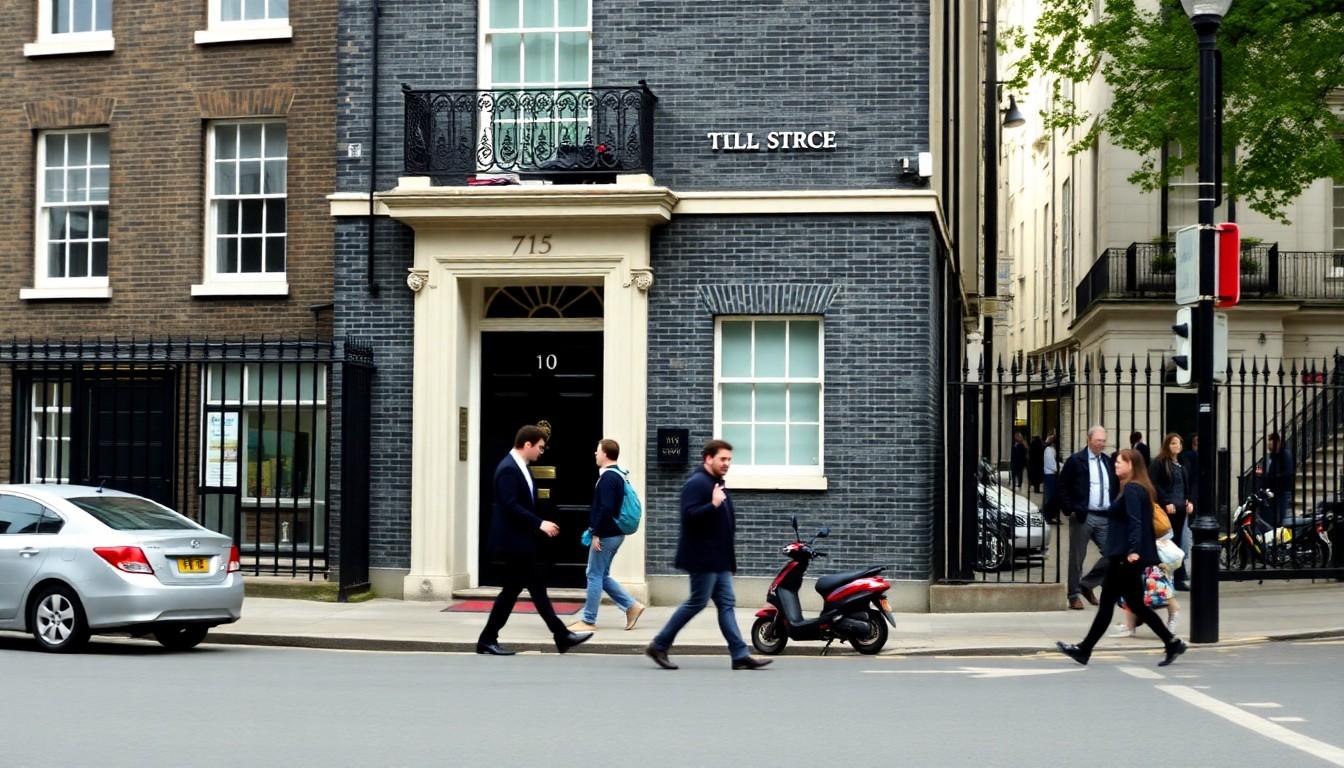
Shoppers of headlines noticed Keir Starmer’s cheeky line at a Downing Street Pride reception , and it matters because words signal policy and mood. The prime minister hailed Parliament as “the gayest” ever while highlighting a trans‑inclusive conversion therapy ban and a new HIV action plan, sparking praise, pushback and fresh debate.
Essential Takeaways
- Bold claim: Keir Starmer told a Downing Street Pride event that the current UK Parliament is “the gayest” in the world, a line that grabbed attention and social media shares.
- Policy focus: The government is promoting a draft, trans‑inclusive conversion therapy ban with prison terms and unlimited fines, plus an HIV action plan aiming to end transmissions by 2030.
- Division in response: Some LGBTQ+ commentators welcomed the actions, while trans and queer writers accused the government of “pinkwashing” amid ongoing concerns over trans healthcare and rights.
- Political context: Labour frames these measures as concrete protections; critics say rhetoric doesn’t erase other harms or access issues.
- Emotional tone: The moment mixed celebration and scepticism , Pride’s confetti hit by real political grievances for many people.
A playful line with big resonance
Starmer’s “lesbian style icon” introduction and his quip about the “gayest parliament” landed as a light, visual moment , he laughed, the audience did too, and the clip circulated fast. According to coverage of the Downing Street reception, he used the platform to underline recent government commitments on LGBTQ+ issues, notably the draft conversion therapy ban and the HIV plan. It’s the sort of soundbite that’s designed to humanise a prime minister and reassure a community , but the applause wasn’t unanimous.
The conversion therapy bill: protection or politics?
The government’s draft bill would criminalise abusive attempts to change someone’s sexual orientation or gender identity, with penalties including up to five years in prison and unlimited fines, a development flagged on the government consultation pages. Supporters say a trans‑inclusive ban closes a glaring gap in protections and stops harm. Critics, however, warn that wording, enforcement and exemptions will matter hugely in practice, and they’re watching whether the law will genuinely protect marginalised people or be watered down during parliamentary wrangling.
HIV action plan: ambition with an agenda
Labour representatives have been touting a fresh HIV action plan that aims to eliminate transmissions by 2030, which campaigners and some outlets welcomed as a much‑needed, pragmatic focus. The plan’s tone is public‑health driven: testing, treatment and prevention measures that actually reduce new cases. Yet as attitude and other outlets note, promises on paper require sustained funding and joined‑up delivery across the NHS and community services to avoid becoming another headline without follow‑through.
Voices from inside the community , celebration meets scepticism
The reaction online shows how Pride moments can both uplift and expose fault lines. Several queer commentators praised Starmer’s language and policy promises, while others accused attendees of “pinkwashing” , enjoying Pride optics while the government pursues policies or rhetoric they see as harmful to trans people. Journalists and authors argued that celebrations at Number 10 won’t be enough if gender‑affirming healthcare access and legal safeguards remain contested. That argument matters because symbols only go so far for people experiencing concrete barriers.
Why this matters to voters and activists
Words from the prime minister at a Pride event aren’t just fluff: they signal priorities and intentions ahead of future legislation and public debates. For activists, the conversion therapy bill and HIV plan are test cases , will protections be robust, and will funding follow? For voters, moments like the Downing Street reception are a reminder that culture and policy are intertwined: a government can stage a warm Pride welcome while still being judged on healthcare access, hate crime enforcement, and the lived safety of trans and queer people.
It's a small change that can make every promise count , if policy matches the party line.
Source Reference Map
Story idea inspired by: [1]
Sources by paragraph: