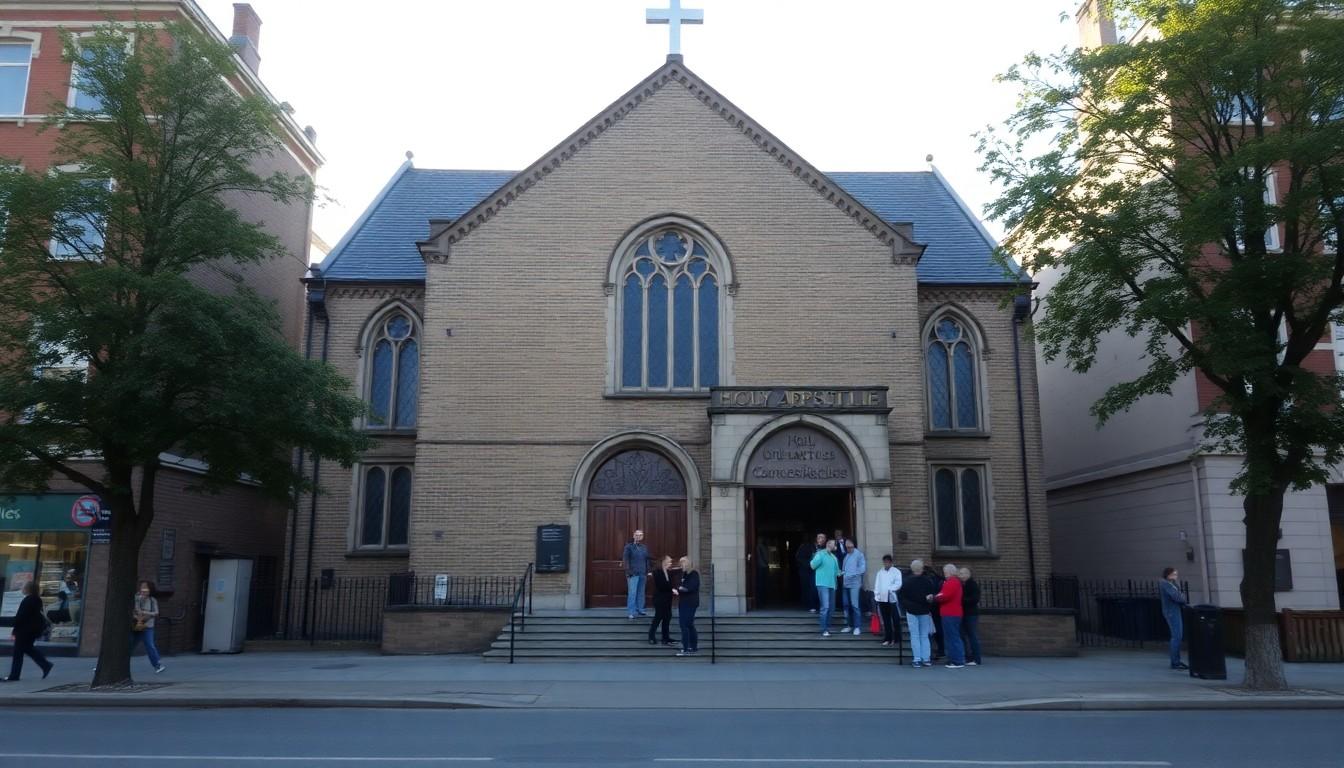
Shoppers of church news are noticing a stir: Cardinal Timothy Radcliffe concelebrated a Pimlico Mass marking 50 years of a same-sex partnership, an event that matters because it highlights a widening fault line in British Catholic life and raises questions about pastoral practice, Church teaching and local LGBT+ ministries.
Essential Takeaways
- Event: A June 13 thanksgiving Mass in Pimlico marked 50 years of friendship and partnership between two prominent LGBT+ Catholics active in Westminster.
- Key figure: Cardinal Timothy Radcliffe concelebrated and delivered the homily, praising the couple’s commitment and justice work.
- Local ministry link: The couple helped found LGBT+ Catholics Westminster, an established ministry operating in the Archdiocese of Westminster.
- Controversy: The Mass and Radcliffe’s words have provoked debate because they touch on sensitive doctrinal territory around same-sex relationships.
- Tone and ritual: The celebration combined familiar liturgical elements with explicit pastoral affirmation of a long-standing same-sex partnership.
What happened at the Pimlico Mass and why it turned heads
The core fact is simple: a thanksgiving Mass took place on 13 June at Holy Apostles Church in Pimlico to mark half a century of relationship between two well-known LGBT+ Catholics. The liturgy was presided over by a parish priest with Cardinal Timothy Radcliffe concelebrating and preaching a homily that highlighted the couple’s fidelity and justice work. That combination , a high-profile prelate, a public celebration and a long-term same-sex partnership , is what has made the event newsworthy. For many Catholics, the sensory picture was familiar: incense, hymns and the pastoral warmth of a community honouring two people’s life together. For others, the optics were problematic.
How this fits into the local LGBT+ ministry landscape
LGBT+ Catholics Westminster, the ministry at the heart of this story, has been part of Catholic life in London for some time, offering pastoral outreach and liturgies for LGBT Catholics and allies. The couple celebrated at the Mass were instrumental in the ministry’s formation, and the Pimlico event felt like a local anniversary as much as a personal milestone. According to local ministry pages and previous reporting, these gatherings often aim to combine prayer with pastoral support, and they sit alongside wider conversations about how dioceses engage with LGBT parishioners.
Why Cardinal Radcliffe’s presence matters
Cardinal Radcliffe is a noticed voice in contemporary Catholic debate, known for urging accompaniment and engagement with LGBT people in pastoral contexts. His decision to preach at this Mass gave the event prominence beyond the parish. For supporters, his involvement signals a pastoral openness and recognition of committed relationships that have endured for decades. For critics, it raises doctrinal concerns and prompts questions about how bishops and cardinals balance pastoral sensitivity with official Church teaching. The reaction says as much about the Catholic conversation in Britain as it does about one Mass.
The doctrinal and pastoral tension in plain terms
There’s a tightrope here. The Catechism and other Vatican documents set out clear teachings about sexuality and marriage, while many pastors and lay groups emphasise accompaniment, dignity and support for LGBT people. That tension plays out in parish settings when long-standing members request blessing, prayer or public recognition. Practically, priests and bishops have to decide the shape of pastoral response , a private pastoral meeting, a public liturgy, a statement of support , and each choice has pastoral consequences. Observers on both sides argue they are defending the Church’s truth and its compassion.
What this means for parish life and anyone watching
If you’re a parishioner, this episode is a reminder that liturgies are also moments of public pastoral signalling. If you care about pastoral inclusion, it reads as progress in making people feel seen at Sunday worship. If you’re concerned about doctrinal clarity, it feels like a call for more guidance from diocesan leaders and Rome. For clergy, the practical takeaway is to be deliberate: know diocesan policy, communicate intentions to your congregation, and be ready to explain pastoral choices calmly. For laypeople, it’s an invitation to listen and ask respectful questions about how faith communities hold teaching and care together.
It's a small change in practice that keeps prompting a big conversation about faith, belonging and pastoral care.
Source Reference Map
Story idea inspired by: [1]
Sources by paragraph: