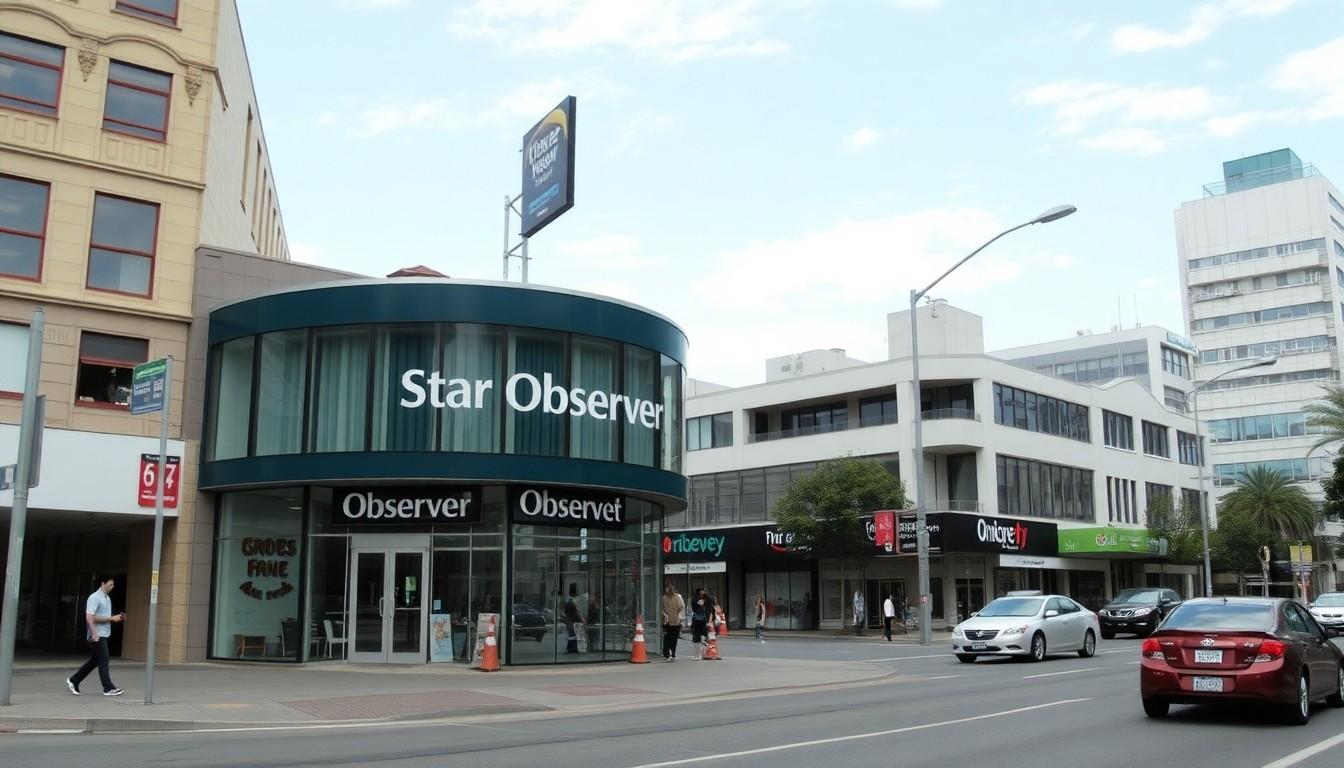
Supporters are stepping up to keep Australia’s longest-running LGBTQIA+ newsroom alive and reporting; the Star Observer is asking readers to donate so it can keep covering queer life, rights and safety across the country when mainstream attention often misses the mark.
Essential Takeaways
- Historic reach: The Star Observer began in Sydney in 1979 and is now Australia’s oldest, largest LGBTQIA+ media outlet, with national and international online readership.
- Ongoing threats: Political pressure, algorithmic censorship and retreating corporate advertisers have squeezed queer outlets’ income and visibility.
- Community impact: Queer media provides targeted reporting on hate incidents, health, legal change and culture that mainstream outlets often sensationalise or ignore.
- Practical ask: The Star Observer is running a fundraising appeal for monthly or one-off donations to sustain journalists and archives.
- Why it matters: Targeted, trusted coverage helps protect vulnerable community members and preserves queer history for future generations.
A newsroom born from protest still matters today
The Star Observer started on 6 July 1979 as a local paper for Sydney’s gay community and quickly became a lifeline for news, safety and solidarity. That origin gives the paper a gritty, human tone , you can almost feel the ink-and-cafeteria warmth of small newsroom urgency when you read its pieces. According to the outlet’s history, the masthead expanded into Melbourne and eventually moved online, widening its reach while keeping community reporting front and centre.
Why mainstream attention isn’t a substitute
It’s tempting to think that broad acceptance means specialised media are obsolete, but the Star Observer’s team points out that hate, raids and targeted violence still happen. When mainstream outlets run transphobic or sensational pieces, they can normalise hostility rather than explain lived experience. That’s not just theory , queer media documents patterns and offers nuanced coverage that matters for readers’ safety and public understanding.
Tech platforms and advertisers are reshaping the game
Big tech algorithms sometimes hide LGBTQIA+ content, and the Star Observer reports pages and posts being removed or de-amplified, which cuts off crucial channels for organising and health information. At the same time, many major advertisers have pulled back from the “pink marketplace,” leaving niche outlets short of ad revenue. Add to that the global squeeze on web traffic as search engines prioritise other content, and you can see why a fundraising appeal is more than a nicety , it’s essential.
What donations actually do, and why they’re urgent
Donations help pay real journalists to investigate hate crimes, follow policy changes and archive community history so future generations can learn from it. The paper also stresses that government advertising largely flows through Google and Meta, not directly to LGBTQIA+ outlets, so grassroots support sustains reporting in ways institutional spending won’t. If you care about informed, humane coverage of queer life, even a modest monthly gift helps preserve that resource.
How to decide whether to give , practical tips
If you’re weighing support, think about what you value: investigative reporting, lived-experience storytelling, local event coverage or historical archiving. Monthly donations stabilise a newsroom more than one-off gifts, but both matter. Look for transparency about how funds are used, and consider combining support with sharing the outlet’s work on your channels to counteract algorithmic suppression.
It's a small change that can make every story safer and every archive stronger.
Source Reference Map
Story idea inspired by: [1]
Sources by paragraph: