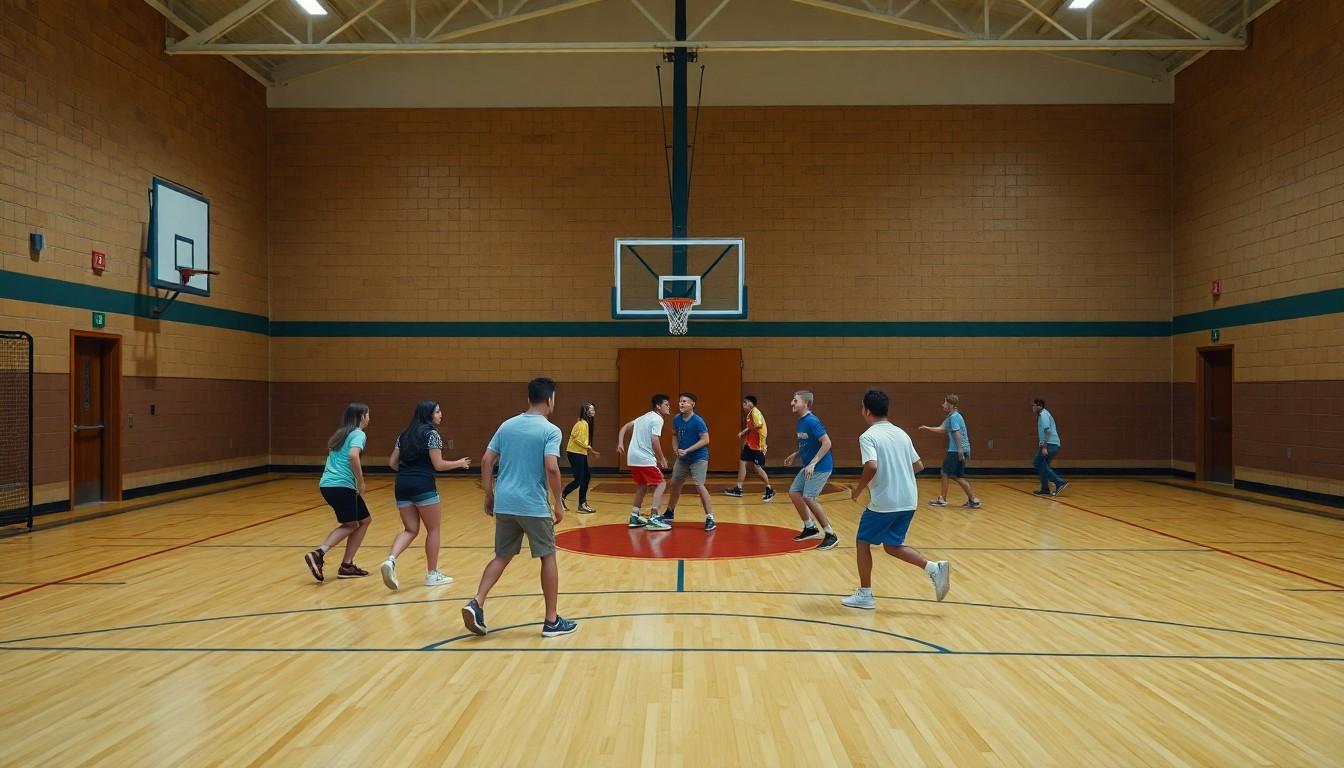
Shoppers are turning to stories of school sports for a reminder: when kids play, they learn more than how to score. Across the US, athletes, advocates, and lawyers are arguing that allowing trans students to join teams matters , for friendship, confidence, and the everyday lessons that shape a life.
Essential Takeaways
- Real-life impact: Trans students and allies report sports build resilience, leadership, and teamwork that last into adulthood.
- Belonging over trophies: Many say the best part of sport is connection , coaches, teammates, and a sense of family.
- Cost of exclusion: Bans remove access to mentorship, structure, and mental-health support for vulnerable young people.
- Legal fight ongoing: Civil-rights organisations have mounted federal challenges to state laws that bar trans girls from school sports.
- Practical steps: Families and schools can support inclusion by focusing on safety, fairness, and age-appropriate policies.
Why sports are about belonging, not just medals
Sports feel tactile: the squeak of trainers on a gym floor, the shared laugh after a bad pass, the quiet confidence that comes from practice. For many young people, those sensory moments are where they learn to belong. According to Lambda Legal and athletes who shared their stories, the social fabric of a team often matters more than the scoreboard. That sense of membership , being counted on and rooting for others , is what coaches and parents notice most when inclusion works.
Backstory shows this isn’t just sentimentalism. Civil-rights groups like the ACLU teamed up with Lambda Legal to challenge state laws that ban trans girls from competing in school sports, arguing that exclusion strips kids of experiences everyone else takes for granted. Those cases highlight how policy decisions ripple out into locker rooms, classrooms, and friendships.
If you’re weighing whether sports policies matter, think about who fills a child’s day. For many, a weekly training session is where they find mentors, learn structure, and get steady adult support , elements that really shape wellbeing.
The life lessons sports teach that stick
Playing teaches habits you can’t get from a textbook: how to fail without falling apart, how to lead without dominating, and how to show up when things are uncomfortable. Athletes who spoke to Lambda Legal describe gains in confidence, communication and problem-solving that followed them into work and relationships. Those are practical, lifelong wins.
From a policy angle, advocates point out that denying trans youth access to sports doesn’t just stop them playing; it cuts off a developmental pathway. Coaches often serve as trusted adults who notice if a young person is struggling, and teammates become a peer support network. When you lose that, you lose a safety net.
For parents, the takeaway is simple: encourage your child to try team activities that suit their temperament. The benefits are cumulative and subtle , someone who plays for ten years reports very different outcomes to someone who never had the chance.
What exclusion actually costs young people
Excluding trans youth from teams isn’t only symbolic; it removes concrete opportunities. Lambda Legal and other advocates note that bans can deny kids leadership roles, scholarship pathways, and the daily joy of being part of a group. Coaches and peers who create inclusive spaces often provide structure and fairness that help kids through difficult home lives or identity struggles.
There’s also mental-health fallout. Studies and firsthand accounts suggest that being shut out can worsen isolation and anxiety, especially during adolescence when peer belonging is crucial. That’s why legal challenges mounted by civil-rights organisations argue these bans are more than rules , they’re systems that harm a subset of young people.
If you work in education or youth sport, think about how policies either widen or close the door on those developmental benefits. Small changes in protocol can make a big difference.
How advocates and lawyers are keeping the fight alive
Legal teams from Lambda Legal, the ACLU and state affiliates have brought federal challenges to laws that bar trans students from participating in school athletics. Those suits frame the issue as a civil-rights question: do students have equal access to the formative experiences school sports provide? Courts have seen multiple challenges and, while outcomes vary by jurisdiction, the cases keep the conversation in public view.
Reporting from advocacy groups shows that these efforts do more than litigate; they also mobilise communities and spotlight real stories of kids and families affected by the laws. That public pressure makes it harder for policymakers to treat the issue as abstract. It becomes a question of human consequence.
For anyone following the legal landscape, the practical tip is to watch local school-board decisions as closely as court rulings , both shape student experience.
Practical steps for coaches, parents and schools who want inclusion
If you’re a coach wondering how to be fair and safe, start with clear, consistent rules that focus on ability and welfare rather than identity. Create a team culture that names respect as a core value, train staff on supporting gender-diverse youth, and offer private changing options when needed. Those adjustments are straightforward and show care.
Parents should ask schools about their policies and raise concerns calmly but firmly. Joining with other families or local groups amplifies change. Schools can convene community conversations where students, parents and staff outline expectations together, making buy-in easier.
Small, thoughtful moves , a gender-inclusive sign-up form, a locker-room plan, a coach who uses the right name , add up. They let kids do what they should be able to do: play, grow and belong.
It's a small change that can make every practice and match safer and more meaningful.
Source Reference Map
Story idea inspired by: [1]
Sources by paragraph: