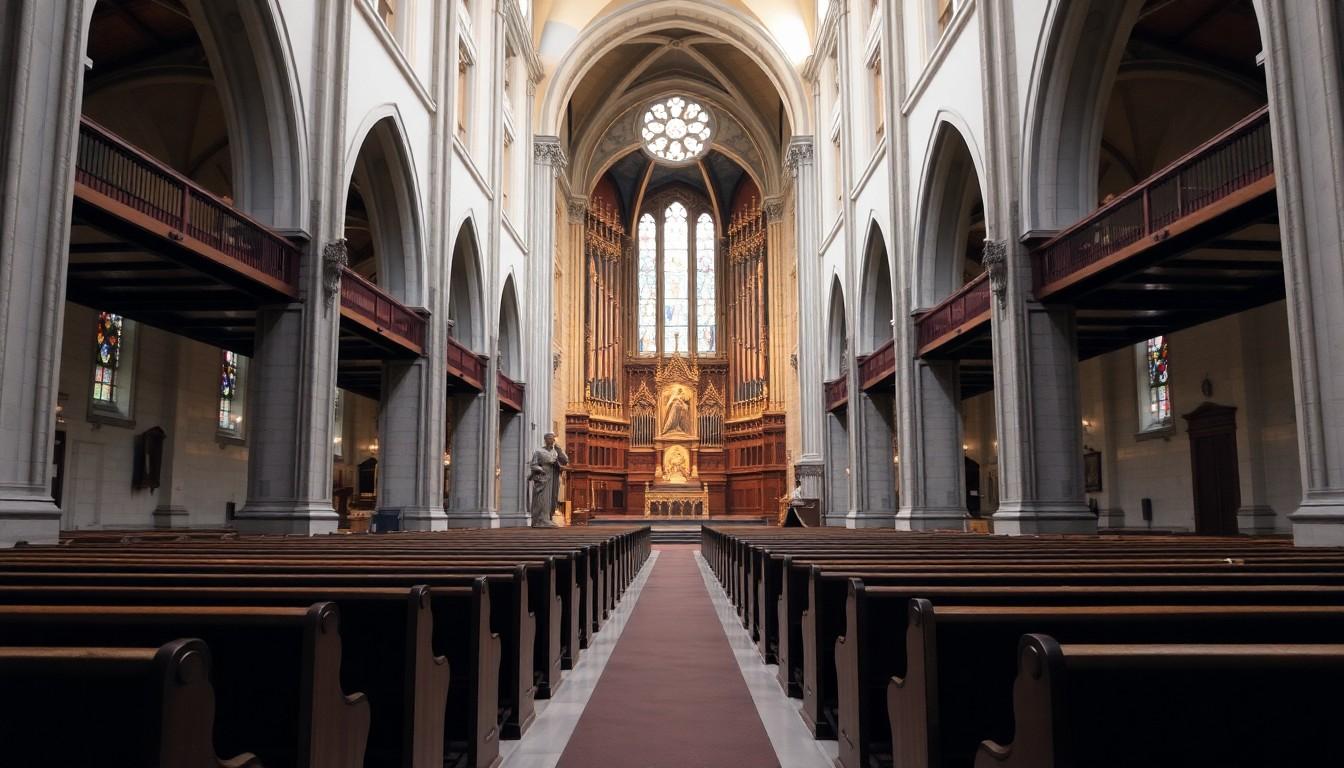
Shoppers of ideas and parishioners alike are debating what the U.S. bishops’ consecration of the nation to the Sacred Heart of Jesus actually means , and why it matters for LGBTQ people, pastoral care, and public witness. Here’s a clear look at the controversy, practical steps for parishes, and why solidarity beats symbolism.
Essential Takeaways
- What happened: The U.S. bishops formally consecrated the nation to the Sacred Heart of Jesus in a high-profile ceremony, framing the devotion as part of national spiritual life.
- Missing names: The bishops’ statement did not explicitly mention LGBTQ people, a point that critics say leaves out those facing real harm.
- Pastoral imperative: Advocates point to Pope Francis and contemporary theologians who insist devotion must attend to suffering, not paper over it.
- Practical steps: Parishes can pair devotion with outreach: resources for homeless LGBTQ youth, explicit welcome statements, and trauma-informed pastoral care.
- Why it matters: Inclusion is both a theological claim and a public witness; how the Church loves people in need shapes its moral credibility.
What the consecration looked like and why people took notice
The U.S. Conference of Catholic Bishops staged a national consecration to the Sacred Heart of Jesus that landed in headlines and parish bulletins alike, with bishops invoking a centuries-old devotion to pray for the country. Vatican News covered the event and the USCCB posted the text and resources used during the rite, showing it was a coordinated, public moment. For many Catholics the image was solemn and reassuring; for others it raised questions about who the Church was being asked to remember.
Critics say a spiritual ceremony that speaks of the nation without naming marginalised groups risks becoming a symbolic act rather than a transformative one. That’s not just theological nitpicking , it’s about whether a ritual actually compels Catholics to reach the people most in need of care.
Why some commentators see a politics in the piety
Reports from news outlets and commentary over the past year have pointed out a trend: devotional language can be deployed in ways that sound patriotic and protective, and occasionally exclusionary. The consecration touched that nerve because, while it appealed to national identity, it stopped short of explicitly acknowledging groups facing discrimination, like LGBTQ Americans.
Observers argue that when devotional language dovetails with cultural politics, it can be read as aligning the Church with certain social positions rather than the poor and vulnerable. That perception matters because public trust in religious institutions depends on whether people believe those institutions will protect and serve everyone.
Devotion without bypassing suffering: theological and pastoral context
Voices in Catholic commentary, including writers and theologians highlighted in opinion pieces, point to a long tradition: the Heart of Christ is revealed where human pain and exclusion meet mercy. Pope Francis has repeatedly urged pastoral care that accompanies people rather than condemning or ignoring them, and contemporary theologians argue queer and trans people already belong in the Church’s life.
This is more than abstract theology. If devotion to the Sacred Heart is to be faithful, critics insist it must confront homelessness, mental health struggles, and discrimination , realities that disproportionately affect some LGBTQ people. That means pairing prayers with practical outreach.
Three practical steps parishes can take now
If your parish wants the consecration to mean something concrete, start small and listen. First, update welcome materials and public statements to name and invite marginalised communities explicitly; clarity matters more than vague goodwill. Second, partner with local LGBTQ-affirming charities or shelters, especially those serving youth, offering space, volunteers or donations. Third, train clergy and lay ministers in trauma-informed pastoral care so conversations about faith don’t retraumatise people seeking support.
These actions are inexpensive and visible. They turn a one-day ritual into ongoing practice and show that devotion has teeth , a steady, compassionate reach into the messy realities people live.
What this debate signals about the Church’s future witness
At stake is how the Catholic Church will look to younger generations and those who’ve been hurt by religion. A consecration that becomes a springboard for outreach could renew credibility; one that reads as rhetoric will reinforce doubts. The debate invites Catholics to ask whether public acts of piety can be married to public acts of mercy.
There’s also a broader cultural point: faith traditions that centre solidarity over exclusion tend to sustain community trust. If the Sacred Heart is meant to remind believers of Christ’s compassion, making that compassion visible to marginalised neighbours will be the real test.
It's a small change that can make every prayer land more honestly.
Source Reference Map
Story idea inspired by: [1]
Sources by paragraph: