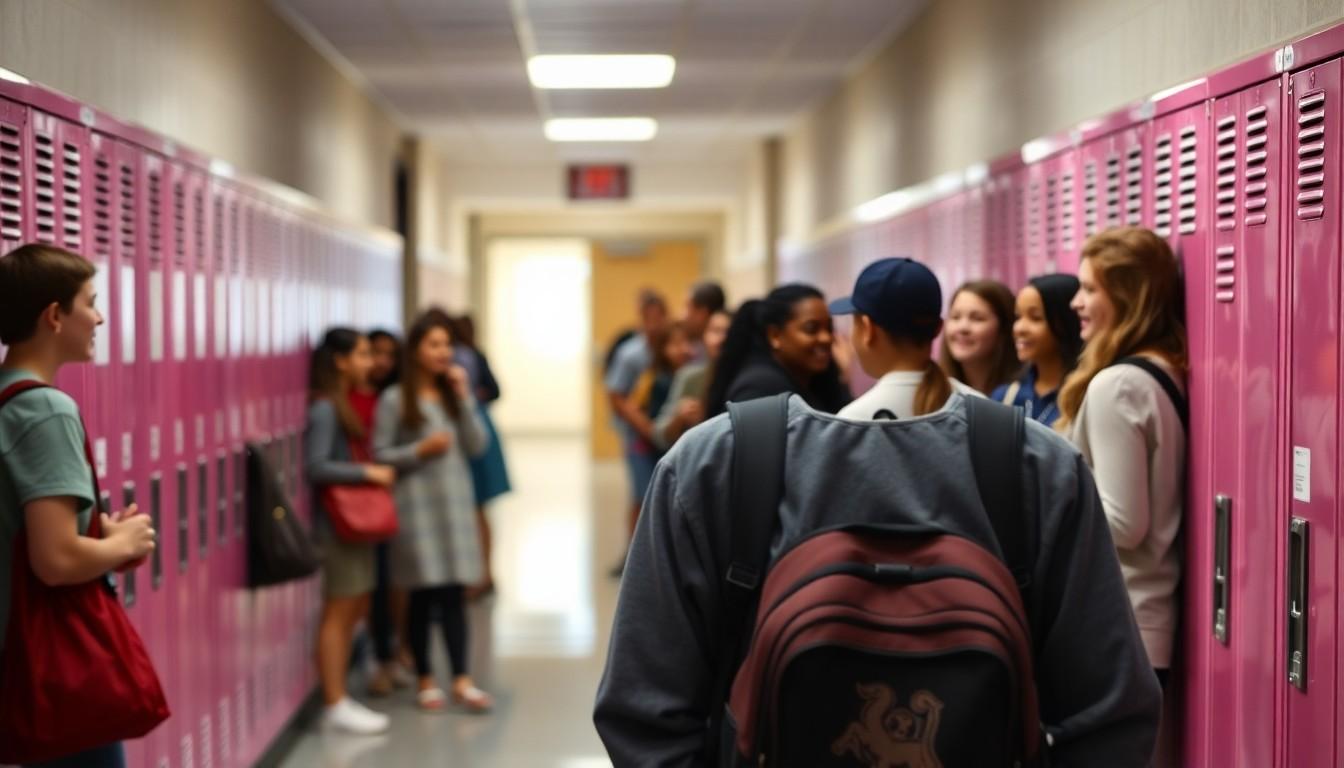
Shoppers are turning to data-driven policy fixes: a new national survey shows two-thirds of LGBTQ+ students feel unsafe at school, and the findings point to clear steps schools can take to reduce risk and build belonging. This story explains who’s affected, what helps, and how educators and parents can act now.
Essential Takeaways
- Widespread fear: About two-thirds of LGBTQ+ students report feeling unsafe because of sexual orientation, gender identity, or expression, shaping daily routines and choices.
- Harassment hotspots: Hallways, bathrooms and online spaces are frequent sites of mistreatment; many trans and gender-expansive students avoid certain spaces entirely.
- Support matters: Schools with inclusive curricula, clear anti-bullying policies and affirming adults show higher engagement and a stronger sense of belonging.
- Peer connection persists: Roughly three-quarters of students feel some connection to LGBTQ+ peers, showing informal networks often buffer harm.
- Actionable research: The latest report was trimmed for usability so teachers and administrators can implement practical changes faster.
Why two-thirds feeling unsafe is more than a statistic
The headline number is sharp and immediate: most queer and trans students are navigating school with a constant sense of risk, and you can almost feel that tension in the data. According to coverage of the Glisten national school climate survey, this unease isn’t theoretical , it drives how students move, speak and even whether they use the bathroom. Researchers and journalists alike describe it as a daily calculus that shapes attendance, participation and mental space. The emotional weight is real, and it alters learning before lessons begin.
Harassment isn’t confined to one corner of campus
The survey shows harassment tied to sexual orientation and gender identity crops up in predictable and surprising places: halls, locker rooms, classrooms and on social media. For many students it layers with other targeting, so BIPOC LGBTQ+ pupils often face race-based abuse alongside queer- or trans-related harassment. Studies of school safety echo these findings, describing a landscape where avoidance , skipping bathrooms, steering clear of certain corridors , becomes a self-protection strategy. That kind of daily navigation wears anyone down.
What schools with better outcomes have in common
There’s a clear pattern in schools where students fare better: intentional policies, visible supports and adults who step in. Research and advocacy groups report that inclusive curricula, explicit anti-bullying rules, accessible allies among staff and active student groups all correlate with improved academic engagement and belonging. It’s not magic; it’s policy plus practice. Having a named staff member who students trust makes a measurable difference, and curricula that reflect diverse identities help students feel seen rather than sidelined.
Peer networks are quieter lifelines , and why they matter
Even in hostile climates, connection persists. Roughly 73% of respondents said they felt at least somewhat connected to other LGBTQ+ peers, which underlines how informal support often fills gaps left by institutions. Focus groups captured moments of relief and joy when students found a friend or witnessed someone living openly; those small encounters can shift how a young person sees school. Schools that recognise and support these networks , such as letting student groups meet and publicising safe spaces , amplify their protective effect.
Practical steps for educators, parents and policymakers
If you work in a school or care for a young person, the survey points to concrete actions that help. Start with clear, enforceable anti-bullying policies that name sexual orientation and gender identity, and ensure staff are trained to intervene. Make facilities accessible and let students use bathrooms that match their gender identity to reduce risky avoidance. Adopt age-appropriate, LGBTQ+-inclusive teaching materials so students see themselves in lessons. Finally, fund and protect student-led groups; they’re often the first port of call for kids seeking support.
Where the conversation goes next
Glisten’s move to a shorter, more usable report shows research aiming to drive change, not just document harm. But gaps in implementation remain wide across districts and states, so the puzzle now is scaling what works. Advocates argue that policy alone isn’t enough , active affirmation from staff and culture change are the next frontiers. Schools that combine both stand to reduce fear and improve outcomes, and parents, teachers and policymakers all have levers they can pull.
It's a small change to make every school day safer, but it starts with policies and people actually aligning.
Source Reference Map
Story idea inspired by: [1]
Sources by paragraph: