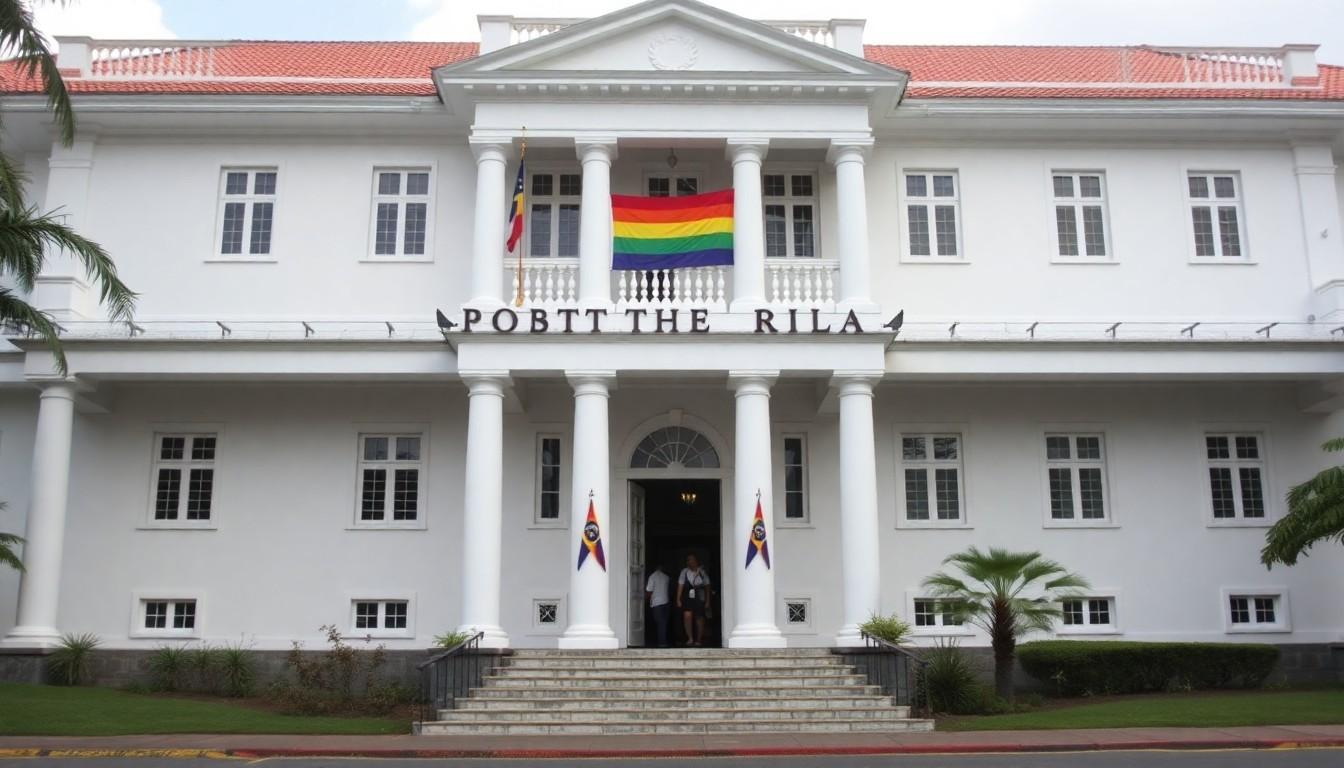
Shoppers are turning to more than rainbow flags this Pride , voices across Costa Rica are asking whether the country is truly “up to date” on human rights, and why Pride month still matters as a public reminder that equality is far from finished.
Essential Takeaways
- Political reality: Legal progress exists, but sexual and gender minorities are still used as political bargaining chips in some debates.
- Everyday discrimination: LGBTQI+ people report exclusion in schools, workplaces and healthcare, creating real emotional and practical harm.
- Trans-specific barriers: Trans people face steeper hurdles accessing jobs, housing and services; visibility matters for safety and opportunity.
- Education and health gaps: Disinformation campaigns against comprehensive sex education and prejudice in medical settings undermine rights.
- Pride’s role: Pride remains a civic tool for visibility, protest and defence of democratic inclusion , not a mere celebration.
A sharp comment, a louder question
When a recent presidential remark suggested Costa Rica is already “up to date” on rights, it did more than rile activists , it re-opened a national conversation about what equality actually looks like, and how it’s experienced day to day. The line between international reputation and lived reality is often wide; a country can sign treaties and still leave people feeling unsafe, excluded or ignored in their neighbourhood, school or clinic. That dissonance is exactly why Pride month still cuts through complacency.
Laws progress, life lags
Costa Rica has taken notable legal steps in recent years, and those advances matter , they change the framework for protection and recognition. Yet legal gains don’t automatically erase discrimination at work, in education, or in health services. Reports and watchdogs note backsliding or slow implementation in areas that touch ordinary life, so policymakers should remember that rights need enforcement, training and public backing to mean anything in practice.
Where politics still uses identity as leverage
Using LGBTQI+ rights as an electoral cudgel is a recurring problem; when rights become tactical talking points, consistent protection suffers. That tactic leaves communities vulnerable to policy reversals and to social messaging that frames equality as optional. For citizens, the takeaway is simple: rights aren’t persuasive slogans, they’re constitutional obligations that need steady political will and public education to stick.
Schools, health care and the next generation
Young people face bullying and exclusion in schools, with knock-on effects for mental health and attainment. At the same time, efforts to teach inclusive, evidence-based sex education are sometimes undermined by misinformation and fear campaigns. In health care, prejudice can shape access and outcomes, especially for trans people who often encounter bureaucratic and attitudinal roadblocks. Practical fixes include teacher training, clear anti-bullying policies, and healthcare staff education grounded in science and human-rights norms.
Pride is practical, not performative
Pride marches and events are more than colourful parades; they’re a public defence of visibility and a reminder of the struggles that created today’s rights. When people can walk openly, form families and hold hands without fear, you can say equality is deeper than a headline. Until that normality exists, Pride will remain both celebration and civic action , a way to pressure institutions, shift social attitudes and protect gains from political backsliding.
Small steps that make a difference
Progress is often incremental. Employers can review non-discrimination policies and offer inclusive benefits, schools can adopt clear reporting systems for harassment, and local health services can train staff in respectful care. Citizens can support community organisations, attend public consultations, and treat Pride month as an opportunity to learn and listen. Those everyday moves add up faster than waiting for a single magic policy.
It's a small change that can make every Pride moment mean more for the people who need it most.
Source Reference Map
Story idea inspired by: [1]
Sources by paragraph: