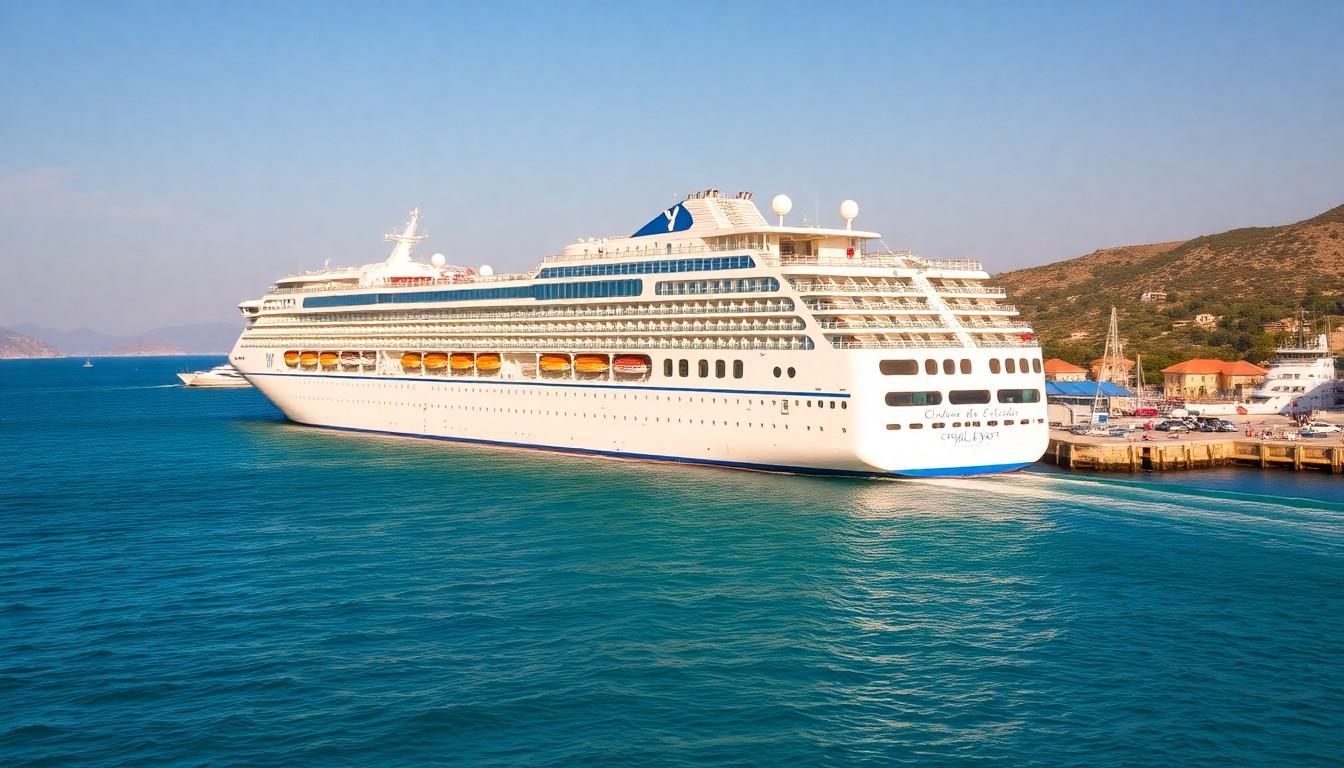
Shippers and travellers are watching as a US-chartered LGBTQ+ cruise is barred from Turkish ports, forcing Virgin Voyages and organisers to reshuffle a Mediterranean itinerary , a development that matters for gay-friendly travel plans, local tourism and how companies manage politically charged routes.
Essential Takeaways
- Itinerary altered: The Scarlet Lady will skip planned stops in Kuşadası and Istanbul and add alternative ports such as Cairo and Crete.
- Reason given: Turkish authorities cited “moral standards” and “family values” when refusing the ship entry.
- Impact on passengers: More than 1,000 US travellers face changed shore excursions and logistics; organisers stress safety and refunds/options.
- Industry ripple: The decision highlights how national politics can reshuffle cruise planning and the appeal of dedicated LGBTQ+ voyages.
- Sensory note: Passengers expecting lively shore parties may see quieter, culturally focused alternatives in the revised ports.
What happened to the Scarlet Lady and why it matters
Turkish officials stopped the Scarlet Lady from docking after local authorities said the US-chartered LGBTQ+ event clashed with local “moral standards.” According to organisers, the ship had been due to sail a July itinerary from Athens to Venice with stops in Kuşadası and Istanbul, and the move forced a swift rework. The news landed like a cold splash for travellers who’d booked flights and excursions, and for local businesses that count on cruise visitors’ spending. For many, it’s a reminder that tourism and politics still mingle uneasily on the high seas.
How organisers and the operator responded
Atlantis Events and Virgin Voyages moved quickly to revise the route, replacing Turkish calls with ports such as Cairo and Crete and promising to support affected guests. Organisers emphasised they’re not a political group, but a tour operator focused on hospitality, tours and nightlife. Passengers have been offered alternatives and logistical guidance; cruise operators often carry contingency clauses for port substitutions, but that doesn’t always reduce the frustration of last-minute changes. Expect extra emails, rebooked excursions and the odd refund request.
What this tells us about LGBTQ+ travel trends
Dedicated LGBTQ+ cruises have grown as travellers seek spaces where they can socialise openly, and operators tailor entertainment, shore programmes and meet-ups accordingly. But as this incident shows, the model depends on countries’ willingness to host themed sailings. In places where authorities have tightened rhetoric or restricted Pride events, itinerary planners now routinely weigh political risk alongside tide times and berthing fees. For travellers, that means checking cancellation terms and being ready for substitute ports.
Practical tips if you’ve booked a themed cruise
If you’re on a similar voyage, start by reading the operator’s terms for port changes and insurance cover. Document any pre-booked shore tours or flights that hinge on the now-cancelled stop and contact providers promptly. Consider travel insurance that covers itinerary changes and make alternative plans for must-see sites , sometimes a nearby island or different country offers an unexpectedly rewarding day ashore. And keep receipts: operators may reimburse out-of-pocket costs tied directly to the cancelled stop.
The wider tourism and political angle
Countries often balance cultural messaging with economic need; refusing a ship can be symbolic and strategic. Turkey has restricted Pride events in recent years, and officials in the Aydın province reportedly ruled out hosting the cruise outright. The move raises questions about whether some destinations will be avoided by LGBTQ+ operators in future, or whether firms will simply adapt by pivoting to more welcoming ports. For local economies that lose a call, the decision can sting , cruise passengers are reliable spenders in coastal towns.
It's a small change in one itinerary, but one that underlines how travel choices intersect with national politics , and how companies and passengers must stay nimble.
Source Reference Map
Story idea inspired by: [1]
Sources by paragraph: