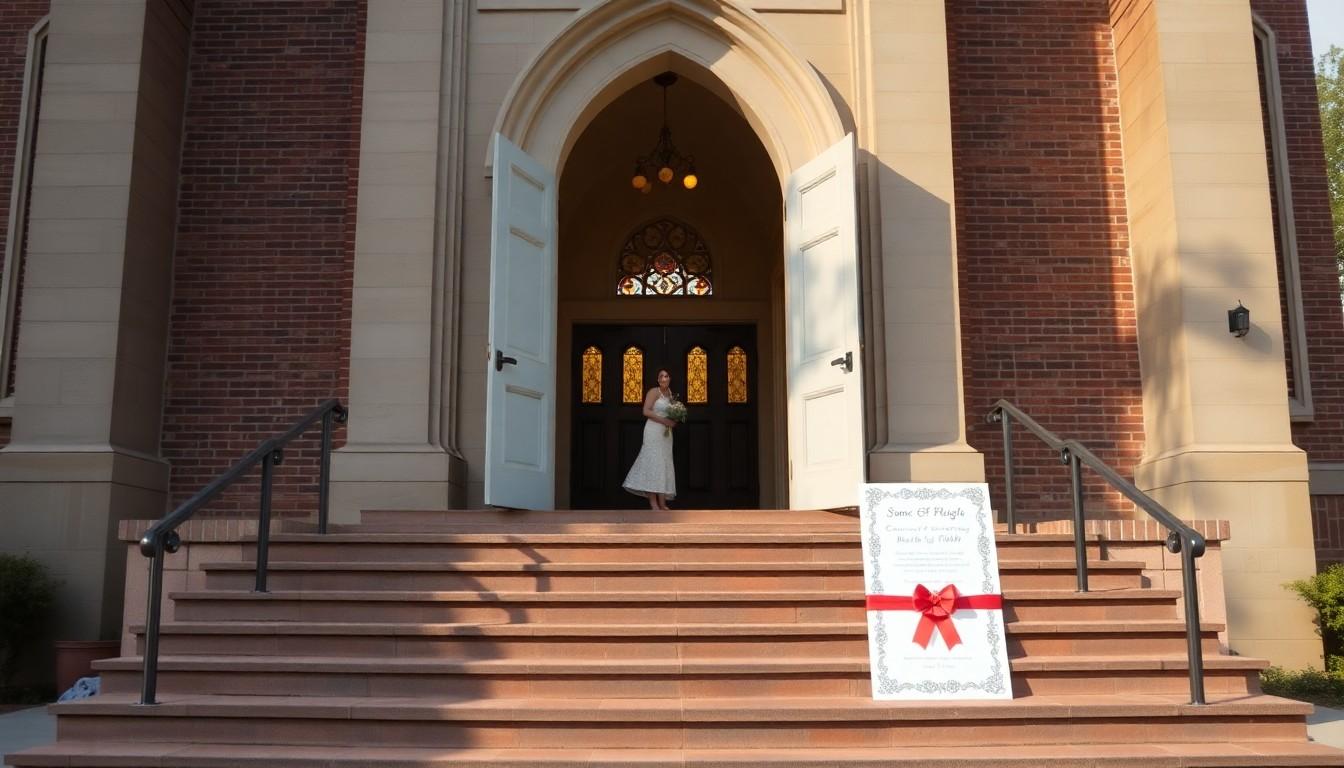
Celebrate the ordinary: Americans, families and faith communities quietly reaped the benefits of marriage equality, and the proof is in lived experience , from legal protections to warmer family routines , showing why upholding same-sex marriage matters for freedom and stability.
Essential Takeaways
- Widespread legal impact: Nearly 1.2 million Americans gained access to marriage’s legal protections, rights and economic benefits.
- Families secured: Same-sex couples married, formed households, and raised children with more stability and access to parental rights.
- Religious freedom preserved: Reports from multifaith dialogues show civil marriage equality coexists with the right of religious communities to practise their beliefs.
- Economic and social gains: Research links marriage equality to measurable economic benefits for couples and communities, while religious institutions continued services uninterrupted.
What actually changed when same-sex couples could marry
The most striking thing is how ordinary the change felt: people married, households formalised, and everyday life kept moving , only more secure. Interfaith leaders and advocates alike note a softer, human detail here: a quieter sense of relief, the kind you see when paperwork finally matches family life. Backstory matters. After the 2015 Supreme Court decision, much of the debate predicted cultural chaos. Instead, the follow-through has been administrative and social: licences issued, benefits extended, children’s legal status clarified. For most Americans, these are practical, stabilising shifts rather than headline-grabbing upheavals.
Families gained protections and stability , kids included
Research and reporting show one clear pattern: children in same-sex households benefit from the legal clarity marriage provides. Parents can access medical decisions, inheritance, and social security survivors’ benefits without extra legal gymnastics. That matters in daily life , a hospital bedside, a school form, or planning for the future. The Williams Institute and other analysts have mapped out economic and practical impacts that underline what many couples feel: marriage added a layer of safety and dignity, not drama.
Religious freedom and civil marriage: why they’re not opposites
You’ll hear the clash framed as religion versus LGBTQ+ rights, but multifaith work suggests a different story. Leaders from across faith traditions participated in dialogue and concluded that civil marriage equality and religious liberty are complementary. According to Interfaith Alliance reporting, religious communities retain the right to practice and teach their beliefs, while civil law ensures equal access for citizens. In short, the law doesn’t force worship, it protects citizens.
The economic side: more than romance , measurable benefits
There’s an economic logic to marriage equality too. Studies have traced healthier financial outcomes for married couples, and broader community advantages tied to stability and consumer behaviour. Those effects aren’t flashy, but they’re real: tax treatment, health insurance access, and inheritance protections all shift when partners can marry. Policymakers and pundits should look at these practical returns as part of the picture.
The politics shifted, but daily life largely didn’t
Recent polling shows some ebbing support among certain conservative groups, and a renewed campaign from a minority seeking legal rollbacks. Yet the lived experience of marriage equality tells a steadier tale. Couples continue to wed, families keep forming, and religious institutions continue to serve congregants in ways that reflect their convictions. As advocates and faith leaders push multifaith statements and legal protections, the practical advice for citizens is simple: understand local laws, register your rights where needed, and support institutions that protect both religious practice and civil equality.
It's a small change that can make every family safer and more secure.
Source Reference Map
Story idea inspired by: [1]
Sources by paragraph: