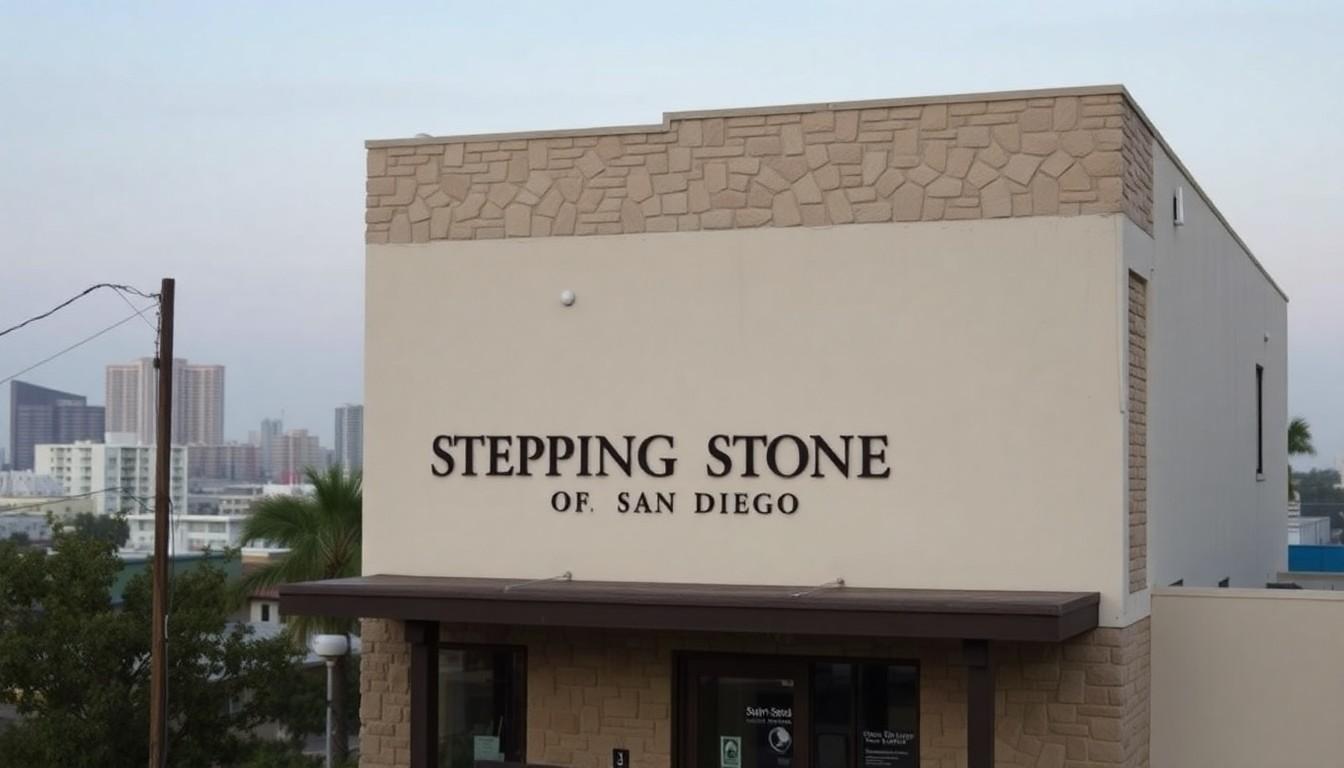
Shoppers are turning their attention to community care as San Diego’s Stepping Stone celebrates 50 years , a grassroots recovery programme that’s won the Stonewall Service Award for culturally sensitive support for LGBTQ people facing addiction and housing instability.
Essential Takeaways
- Golden anniversary: Stepping Stone marks 50 years of LGBTQ-focused recovery services in San Diego, including residential and outpatient care.
- Comprehensive set-up: The organisation runs a 31-bed residential centre, outpatient clinic, three sober living houses and short-term recovery services.
- Mostly unhoused clients: Many clients arrive from jail or the streets, and the centre offers a safer, non-stigmatising environment.
- Peer-powered outcomes: Former clients often return as staff or volunteers , a visible sign that the model works.
- Public recognition: San Diego Pride will present the Stonewall Service Award at the Spirit of Stonewall Rally, and Stepping Stone will appear in the Pride parade.
Why this award matters: visibility and validation for a niche service
Winning the Stonewall Service Award is more than a plaque on the wall; it’s a public nod to half a century of working where others wouldn’t. The award, handed out at the Spirit of Stonewall Rally, puts a spotlight on an approach that intentionally weaves LGBTQ cultural competence into addiction treatment, something that was scarce when the charity began. For clients, that recognition feels like permission to seek help without hiding who they are.
Built from houses into a full treatment network
Stepping Stone started as a cluster of houses in City Heights and has grown into a formal residential centre on Central Avenue with 31 beds, plus outpatient services and sober living. That evolution shows how grassroots responses can scale when there’s real demand. According to Stepping Stone’s own material, the mix of residential and community-based care helps people at different stages of recovery and life , which matters when many are also navigating homelessness or recently leaving jail.
Why culturally competent care changes outcomes
When clinicians understand queer, trans and non-binary experiences, trust follows. Staff and leaders at the centre say traditional programmes often missed identity-based issues, leaving clients feeling judged or unsafe. In contrast, Stepping Stone offers an environment where people aren’t forced to choose between sobriety and authenticity. That comfort can be decisive: clients are likelier to engage consistently, complete treatment and rebuild social networks.
Peer pathways: former clients returning as staff
One of the most striking details is how many graduates come back , not just to say thank you, but to work. Joe Westcott, who finished the programme in 2017, now manages his own clients and has been on staff seven years. That kind of lived-experience leadership offers practical benefits: staff understand the daily pressures of recovery, they model long-term sobriety, and they help break down the “us versus them” barrier in clinical settings. It’s also a powerful recruitment narrative for donors and volunteers.
How the community celebrates and why it matters
Stepping Stone marked its 50th year with a gala that drew some 700 people , donors, supporters and alumni , and will accept the Stonewall Service Award on July 17 before joining the Pride parade with a float. These moments do two things: they celebrate individual recovery stories, and they remind the city that long-term, specialised services deserve public support. For anyone thinking of donating time or money, those celebrations offer a low-effort way to connect.
Closing line It’s a small change that can make every recovery journey feel safer and more possible.
Source Reference Map
Story idea inspired by: [1]
Sources by paragraph: