Shoppers are turning their cheers to inclusive rugby as Leeds Hunters launch a bid to host the Bingham Cup and Amanda Mark Cup in July 2028, aiming to welcome thousands of players and fans and showcase the city as a vibrant, LGBTQ+ friendly sporting hub.
Essential Takeaways
- Big-scale tournament: The Bingham Cup can attract up to 4,000 players, making it the world’s largest amateur LGBTQ+ rugby event.
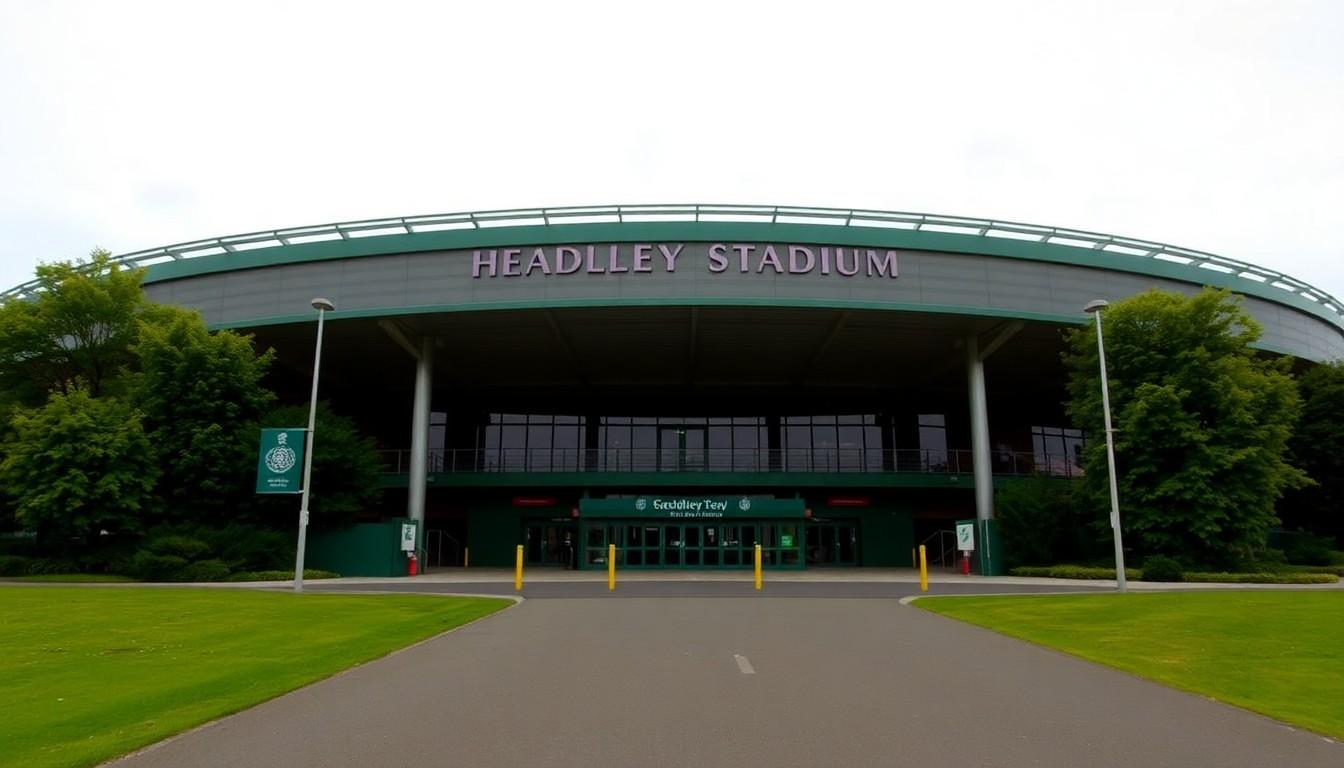
- Leeds plan: Most matches proposed at The Sycamores (West Park Leeds RUFC), with the final at Headingley and events across Leeds venues.
- Local backing: The bid is supported by Leeds Rhinos Foundation, Leeds Tykes, Leeds City Council and the University of Leeds.
- Competitive field: Other candidate cities include Dublin, Vancouver, Orlando, Perth and Querétaro.
- Community impact: Hosts say the event would spotlight inclusivity, bring tourism and create a festival atmosphere , Otley Run included.
Why the Bingham Cup matters , more than rugby
The Bingham Cup is not your average tournament; it’s part sporting festival, part global community reunion, and it's reliably colourful and noisy. Founded in 2002 to honour Mark Bingham, the competition brings LGBTQ+ and inclusive teams together in one of the world’s largest amateur rugby gatherings. That blend of high-energy matches and camaraderie gives hosts a chance to show civic pride and progressive values at the same time.
Leeds Hunters pitching to host in 2028 taps into that legacy. According to coverage, the Amanda Mark Cup for female players was added recently, broadening the appeal and inclusivity of the event. For a city, the tournament promises a mix of grassroots sport, tourism and cultural programming.
What Leeds is offering , venues, vibe and logistics
Leeds’ bid maps out practical, visible assets: The Sycamores for most matches, Headingley for the final, an opening ceremony at Leeds Direct Arena, and an athletes’ village on the University of Leeds campus. That combination gives organisers control , smaller grounds for pool play and a big, well-known stadium for the showpiece.
Local partners are on board. Leeds City Council’s leader framed the tournament as an opportunity to showcase the city as welcoming and vibrant, while local clubs and foundations are backing the logistics. For athletes and visitors, that means reasonable travel links and a festival spread across town rather than shoehorning everything into a single site.
Voices from the Hunters , why it feels personal
Players say this isn’t just about sport. Members such as Nathan Martin and Chris Languedoc spoke about connection and being able to be their authentic selves; those are the emotional drivers that make teams travel long distances. Hosting the Cup locally would let Leeds show how an inclusive club can reshape someone’s sporting life.
Those personal stories are persuasive for bid panels. The Hunters’ pitch leans on lived experience: a club that has helped people feel seen and welcome, which is exactly what the Bingham Cup celebrates.
The competition and what Leeds needs to prove
Leeds isn’t the only ambitious bidder. Cities from Perth to Querétaro and Vancouver to Dublin are also in the running, each with their own strengths , climate, diaspora communities, sporting infrastructures. Leeds will have to show it can handle the scale, from match scheduling for hundreds of teams to accommodation and event hospitality.
Practical tips for organisers: demonstrate community buy-in, present a clear transport and venue plan, and show cultural programming beyond the games. For visitors, consider booking early , large amateur tournaments often coincide with citywide events and sell out nearby accommodation fast.
What success would look like for Leeds and UK inclusive rugby
If Leeds wins the bid, expect a lively city takeover: thousands of players in colourful kit, evening social events, and a tourism boost for local hospitality. More importantly, it would be a centrepiece moment for inclusive rugby in the UK, spotlighting progress in making sport safe and welcoming for LGBTQ+ players and fans.
For local clubs, the legacy could be increased membership, better facilities and a stronger profile for grassroots inclusion work. And for players who’ve felt excluded before, hosting the Cup at home would be, in their words, “magical.”
It's a small change that could make every tackle and every cheer feel a little more inclusive.
Source Reference Map
Story idea inspired by: [1]
Sources by paragraph: