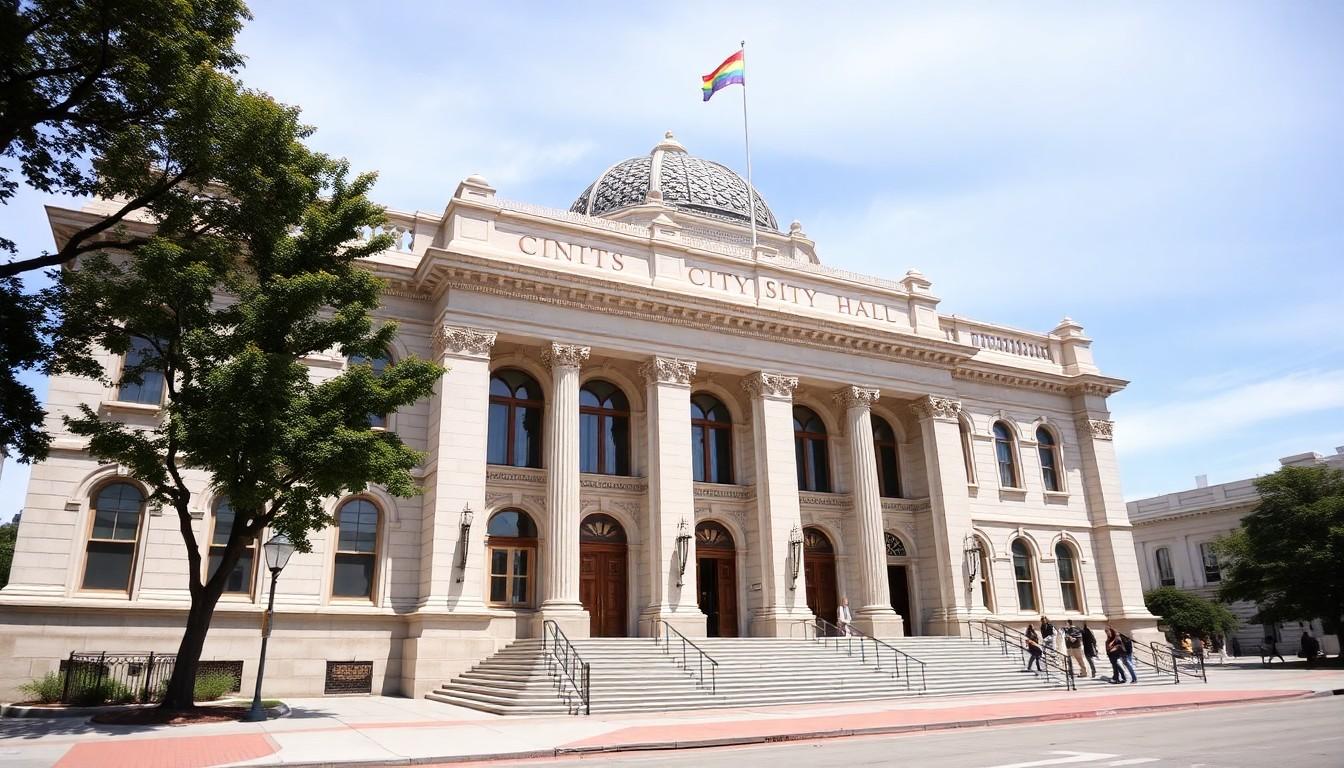
Shoppers and onlookers alike celebrated Pride across the Bay Area this June, as colourful parades, pop-up ceremonies and neighbourhood events drew millions to honour LGBTQ+ life and resilience , here's what stood out, why it mattered, and how to keep the spirit alive year-round.
Essential Takeaways
- Mass turnout: Thousands packed San Francisco’s streets for the Pride Parade, with a lively, boisterous atmosphere and a steady breeze carrying flags and confetti.
- City ceremonies: Hundreds of couples used City Hall’s organised wedding events to mark their unions in a historic civic space.
- Regional reach: Events spread across the Bay Area, from big parades to smaller community gatherings, making Pride visible in many neighbourhoods.
- Vibrant imagery: Photographers captured everything from colourful floats to quiet, tender moments , the visuals helped cement local memories.
A parade that felt like the city itself , loud, proud and breezy
San Francisco’s Pride Parade returned in full force, with thousands of participants and onlookers packing the route under a typically breezy sky. The scene had texture , glitter, handmade signs, and the steady click of cameras , and it felt like the whole city had decided to join the party. According to local coverage, floats ranged from political statements to celebratory art, reflecting both joy and ongoing advocacy. That mix is what makes San Francisco’s event distinct: it’s not just a party, it’s a platform. If you’re planning to attend next year, arrive early, bring layers for coastal winds, and pick a spot near accessible exits if you want to move around or avoid crowds.
City Hall weddings: civic ceremony meets colourful celebration
Inside the grandeur of City Hall, officials organised marriage ceremonies that welcomed hundreds of couples during the month. The stately architecture provided a striking contrast to the rainbow flags and sequins, creating images that felt both solemn and celebratory. These organised weddings underscore how Pride has become a moment for personal milestones as well as public protest. For couples thinking of a civic ceremony, booking early and checking municipal schedules is key , demand spikes during June. It’s a reminder that Pride remains a time for intimacy amid spectacle, where small vows happen against a big, supportive backdrop.
Pride across the region: small events, big impact
Beyond San Francisco, neighbourhoods across the Bay Area hosted pop-up fairs, drag brunches, and community remembrance events, making Pride accessible to people who couldn’t make the main parade. These local gatherings tended to feel warmer and more conversational, a chance to meet neighbours and local organisers. Regional coverage highlighted how the month isn’t owned by a single parade; instead, it’s a tapestry of dozens of moments that together reached millions. That decentralised approach helps sustain engagement year-round , local groups can follow up with advocacy or social programmes after June ends. If you want to support community-wide change, look up local LGBTQ+ centres and sign up for volunteer lists; many post-event initiatives need steady help, not just a one-day presence.
The power of photography: why images from Pride stick with us
Photographers from across outlets turned out to document both spectacle and nuance, producing galleries that threaded together raucous floats, quiet embraces and ceremonial vows. Those images do more than decorate social media; they archive a city’s emotional landscape for a year. Editors noted that the most memorable photos balanced action shots with quiet portraits, capturing the full range of Pride’s textures. For readers, the galleries offered a way to relive the month or experience it from afar. If you’re curating your own Pride photos, aim for variety , wide shots for scale, close-ups for feeling , and be mindful of consent when photographing people in vulnerable moments.
Why this year felt both familiar and new
There was a comforting continuity to this June: familiar routes, traditional floats, City Hall again playing host to couples. But the month also showed evolution, with more region-wide events and renewed emphasis on outreach and safety. Coverage suggested organisers balanced celebration with care, responding to community conversations about inclusion and accessibility. That balance matters because Pride’s future depends on being both joyful and responsible. Expect next year to bring even more hybrid programming , in-person and online , so families, seniors and people with mobility needs can take part. And for those who felt left out this year, remember: many organisers welcome fresh ideas and volunteers to shape the next Pride season.
It's a small change that can make every celebration safer and more inclusive.
Source Reference Map
Story idea inspired by: [1]
Sources by paragraph: