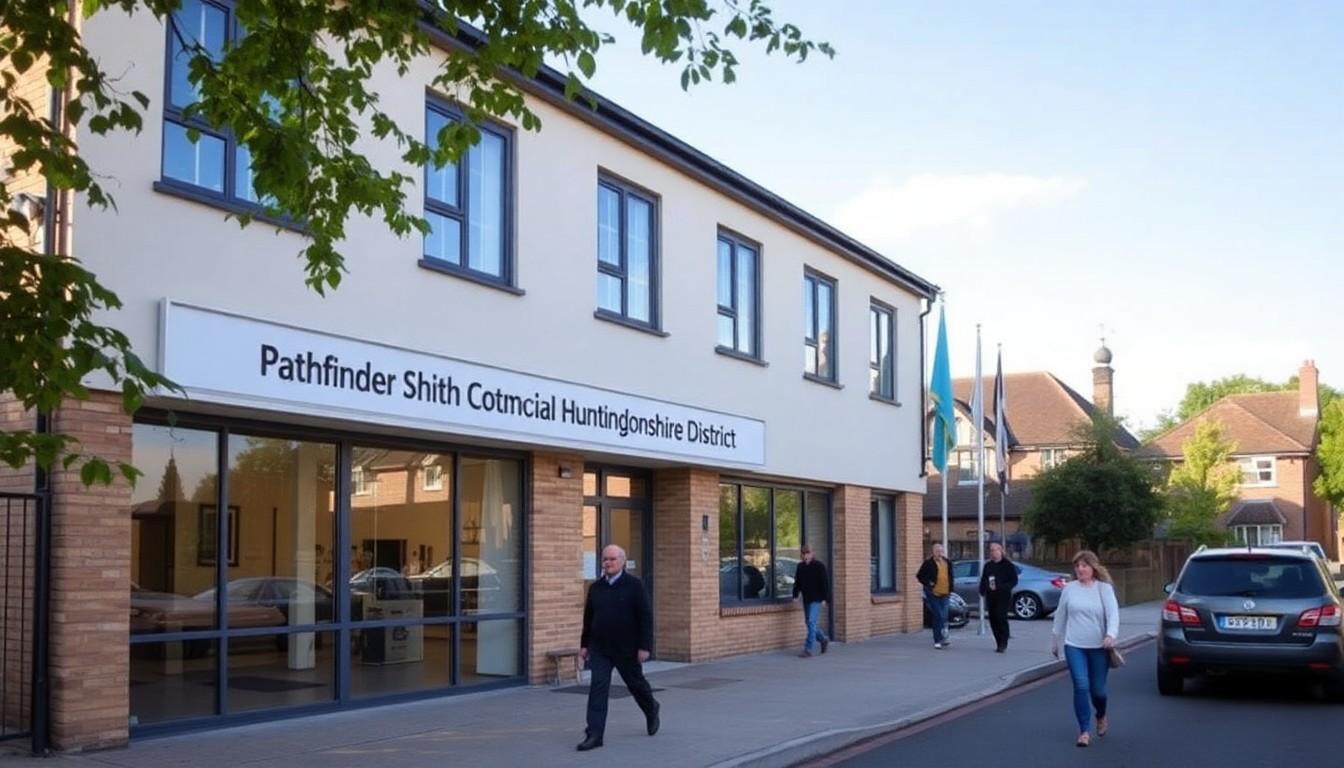
Shoppers and residents noticed a colourful banner briefly flying above Pathfinder House in Huntingdon, but a planning technicality and a local councillor's complaint saw the Progress Pride flag brought down , raising questions about process, public buildings and what flags actually represent.
Essential takeaways
- Flag removed after permission query: The Progress Pride flag was taken down when the council investigated whether permission was needed to fly that specific variant.
- Progress flag explained: The design adds brown, black, pale blue and pink stripes to the rainbow to highlight marginalised people of colour, trans people and those affected by AIDS.
- Local politics intervened: Reform UK group leader Ryan Coogan raised objections, arguing public buildings should be neutral and fly the Union Flag; Green chairman Stephen Ferguson defended the flag's meaning.
- Council admits procedural error: Huntingdonshire leaders said the standard Pride flag benefits from deemed consent under planning rules but that the Progress variant did not fall under the same allowance.
- Community impact: Councillors warned against conflating the flag with conspiracy claims; the debate has left LGBTQ+ residents seeking reassurance from their council.
What happened outside Pathfinder House , quick, visual detail
A bright, multi‑coloured Progress Pride flagged briefly drew eyes above the council office in Huntingdon before it was taken down. The image of the flag against the town’s grey civic stone made the procedural dispute feel oddly tangible. According to local reports, the matter came to a head after a Reform UK councillor questioned whether the council had the right to fly that particular flag, prompting an internal check. For residents, it wasn't just about planning rules , it felt like a debate about who public spaces belong to.
Why the Progress Pride flag prompted a planning check
Not all flags are treated the same under planning guidance, and Huntingdonshire’s leaders acknowledged they had misread the rules. The council said the classic rainbow Pride banner is covered by deemed consent, but the Progress variant , which incorporates additional stripes and symbols , was not explicitly included. That legal nuance gave councillors an excuse to remove the flag when the issue was raised. It’s a good reminder that public authorities need to double‑check the paperwork before making symbolic gestures.
Politics, symbolism and an uncomfortable allegation
The row turned more pointed when Reform UK’s local leader suggested the Progress Pride flag had inappropriate associations , a claim other councillors and community members strongly rejected. Green Party chairman Stephen Ferguson described those remarks as offensive and dangerous, while stressing the council had erred on the procedural front. The exchange shows how flags can be reframed as political symbols, and why civic leaders should be cautious about leaping from administrative questions to moral claims that target protected groups.
What the Progress Pride flag actually stands for
Created to draw attention to under‑represented groups within LGBTQ+ communities, the Progress design was first produced in 2018 and later adapted to include intersex representation. The additional colours are meant to be inclusive, not divisive. Commentators and campaigners say conflating the flag with fringe conspiracies is damaging, because it shifts the focus from inclusion and support to needless controversy. If you want to explain the design to someone in town, point to the extra stripes and say they’re about widening visibility, not signalling anything sinister.
Practical takeaways for councils and residents
Councils keen to show support should check planning rules and permissions first, especially if they’re flying non‑standard flags. A simple administrative step avoids the story becoming about process rather than people. Residents who feel targeted or upset should contact their local councillors for reassurance; public statements that affirm inclusion and clarify procedure can defuse disputes. And for councils, a short, clear policy on which flags are authorised would stop a small procedural oversight from turning into a big local headache.
It's a small procedural snag with a big symbolic echo , but it’s also a reminder that clarity and care go a long way.
Source Reference Map
Story idea inspired by: [1]
Sources by paragraph: