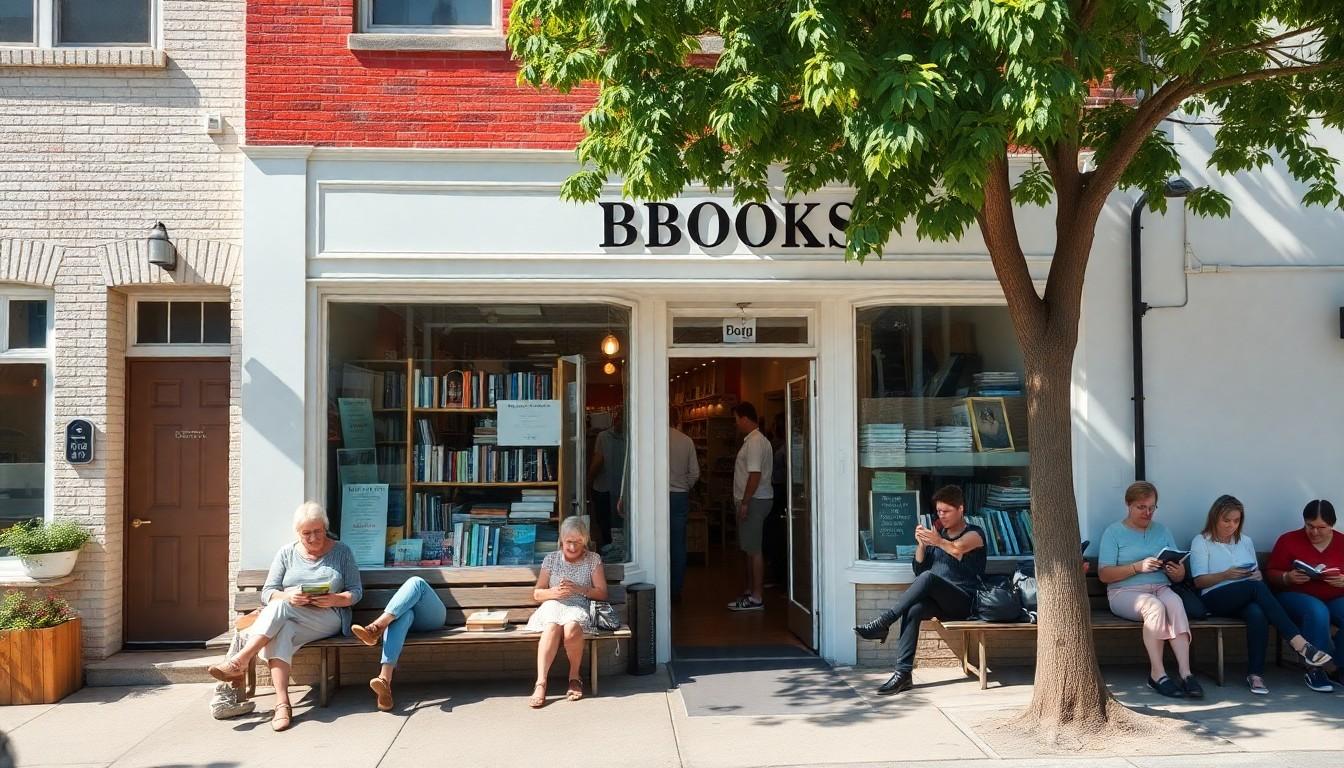
Notice how one missed brunch can sting more than it should , many gay men in cities like Los Angeles recognise this feeling, and it reveals bigger patterns about belonging, self-worth, and how social media amplifies exclusion. Here’s practical, compassionate advice for turning missed invites into clearer choices and real friendships.
Essential takeaways
- Real hurt vs event: A missed invite often triggers old stories about worth, not just disappointment about the gathering.
- Facts vs assumptions: Pause and separate what you actually know from the narratives your mind invents.
- Validation ≠ friendship: Chasing approval can feel like friendship but leaves you exhausted and insecure.
- Actionable step: Invite one person for coffee, not to impress but to connect , small, repeated efforts build belonging.
- Social media effect: Seeing groups together makes exclusion replayable; set gentle boundaries with feeds to protect your mood.
Why one Instagram post can feel like a personal rejection
You scroll, you see smiling faces in Palm Springs, Fire Island, or a local brunch, and your stomach tightens. That knot isn’t just disappointment; it’s the nervous system responding the way it always has, because humans are wired to care about belonging. According to research on social pain and rejection, our brains treat social exclusion in ways that feel physically real, with chest tightness or sleeplessness. So don’t berate yourself , your body is doing what bodies do when they sense a threat to connection.
How this plays out for gay men is often amplified by early life experiences: scrutiny, bullying, or cautious concealment that taught us to monitor how we show up. Those old lessons make current slights feel like a confirmation of a long-held fear. The useful insight: noticing the physical reaction helps you slow down and ask what’s actually going on, instead of letting assumptions write the story.
What actually happened vs what you concluded
It’s tempting to fill the blanks immediately: “They don’t like me,” or “I’m not enough.” That leap from fact to verdict is where the real damage happens. The invitation is one thing; the meaning you attach to it is another. Maybe you weren’t invited because plans happened fast, someone thought you were away, or organisers assumed you’d be busy. Or maybe it was intentional exclusion. Those are distinct realities and deserve different responses.
A practical habit: before spiralling, ask, “What do I actually know?” Name the facts out loud. Then list possible explanations, including neutral ones. That tiny pause opens you to curiosity instead of condemnation, and curiosity is almost always kinder to your nervous system.
When you’re chasing approval, friendship becomes performance
A common therapy moment: when asked if the people who excluded them would actually be the friends they want, clients often realise they don’t even like those people , they wanted their approval. Validation is temporary and never sufficient as a sole source of self-worth. Real friendships grow through small, ordinary acts: consistent contact, reciprocity, and being seen without constantly auditioning.
So try a different experiment: invite someone for a simple, low-stakes coffee or walk. Don’t perform. Be interested. See if the interaction leaves you calmer or more anxious. Over time, repeated small invitations tell you more about who brings out the best in you than a single glamorous weekend ever could.
Social media turns exclusion into a loop you can replay
Thirty years ago you might never have known a party happened without you. Today, feeds make everything visible, and that visibility compounds social comparison. In places like Los Angeles the effect is magnified by circles that double as status markers , fitness, fashion, philanthropy , which can shift the goal from finding people who fit you to becoming the person who would be chosen by them.
A practical boundary: curate your feed and limit doom-scrolling. Mute or hide accounts that leave you comparing, and set intentional times to check social media. This reduces replaying and gives your mood a chance to stabilise before you interpret the story.
How to choose differently: questions that change the game
Switch the question from “Why don’t they choose me?” to “Who brings out the best in me?” That subtle change moves you from auditioning to selecting. Ask yourself: Who leaves me feeling calmer? Who asks follow-up questions? Who shows up consistently?
Three quick checks before you decide you were rejected: What do I actually know? Am I seeking friendship or approval? If they invited me tomorrow, would they really be my people? Use these as mental stop signs. If the answers point to the wrong crowd, it’s permission to redirect your energy toward people who welcome you without making you prove yourself.
Small practices that actually build belonging
Belonging is rarely built in grand gestures. It accumulates through repetition. Start with one simple action this week: text someone to meet for a real conversation, volunteer for a group you care about, or host a low-key dinner where you invite people who make you feel safe. If anxiety shows up, label it and return to the facts.
Therapy or coaching is also a practical tool when patterns feel entrenched. A confidential space helps you distinguish the old stories from today’s reality, and a trained professional can teach you how to stop organising your life around being chosen. That’s how long-term change happens: not by chasing every invitation, but by building a table you and others want to sit at.
It’s a small change that can make every missed invite feel less like a verdict and more like data.
Source Reference Map
Story idea inspired by: [1]
Sources by paragraph: