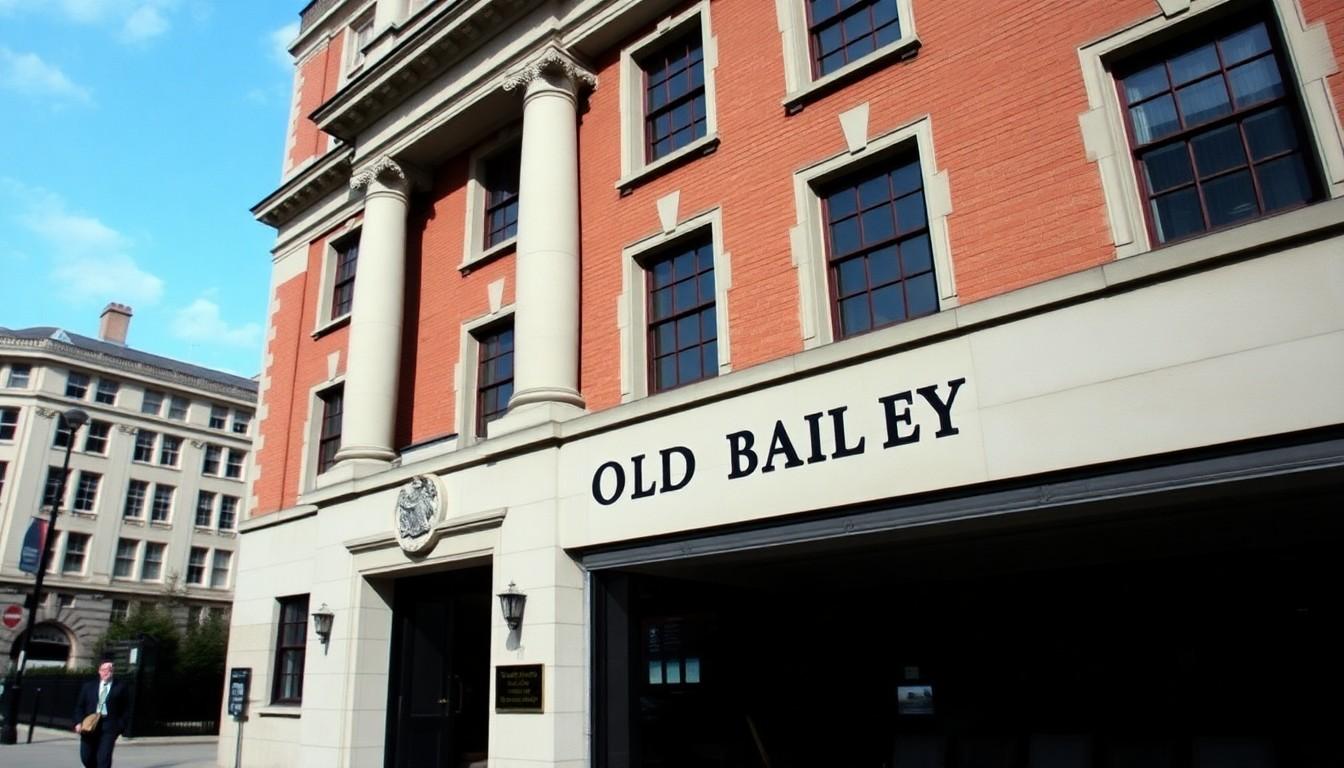
Shoppers for fairness are watching the courts: campaign group Good Law Project has launched a High Court challenge against Ofcom after the regulator declined to probe multiple broadcasts on TalkTV that the group says spread misinformation and anti‑trans rhetoric , a case that could reshape how UK broadcasters handle trans issues.
Essential Takeaways
- Legal action: Good Law Project has asked the High Court to review Ofcom’s decision not to investigate 10 of 11 complaints about TalkTV broadcasts.
- Alleged harms: The complaints allege misleading claims about trans people, lack of due impartiality, and offensive language that could harm audiences.
- Ofcom response: The regulator opened only one investigation, into an Ian Collins programme from 30 June 2025, and dismissed other complaints as not warranting sanctions.
- Campaign context: This move follows a long-running Good Law Project campaign arguing Ofcom has failed to hold TalkTV to account.
- What’s at stake: The judicial review could clarify when broadcasters must provide balanced coverage on transgender issues and how regulators weigh offensive speech versus context.
What the challenge says , blunt language, clear claim
Good Law Project argues Ofcom effectively shrugged off repeated breaches of the Broadcasting Code, describing presenters and guests on TalkTV as promoting false or harmful claims about trans people. The group's filings point to specific programmes and lines it says crossed the line into smear territory, including vivid, inflammatory descriptions that campaigners say are plainly offensive. It’s a striking confrontation: a legal outfit taking the media regulator to task over the line between controversial opinion and hate.
How we got here , complaints, investigations and a single probe
The dispute traces back to a complaints bundle submitted in July 2025, listing 11 broadcasts Good Law Project considered problematic. Ofcom opened only one formal investigation , into an Ian Collins show from June 30, 2025 , and decided not to pursue the other ten. That selective approach is central to the legal challenge: campaigners say the regulator misapplied its rules on impartiality and harm. For readers, the takeaway is that complaints aren’t a guarantee of scrutiny; regulators exercise judgment, and sometimes that judgment is contested in court.
Why this matters for broadcasters and audiences
If the High Court finds in favour of Good Law Project, broadcasters could face clearer, tighter standards when discussing transgender issues. That would affect editorial choices, guest line‑ups, and how stations flag and contextualise sensitive commentary. For audiences, it’s about protection from misleading or dehumanising discourse , and about whether a regulator should demand balance on subjects that affect a protected group. The case raises the practical question: when does robust debate become harm?
The wider campaign and pattern of complaints
Good Law Project’s court action isn’t an isolated flashpoint; it’s the latest move in a broader campaign pressuring Ofcom to act on TalkTV. The campaign has published detailed complaints and launched public calls for regulatory intervention, arguing a repeated pattern of transphobic commentary. Media watchdogs and civil society groups have been watching closely, arguing this could set a precedent for how regulators manage speech that is offensive but framed as opinion.
How this could affect you , practical implications
If you’re a viewer, expect more clarity on what broadcasters must do when covering transgender topics: clearer signposting, stronger fairness obligations, and perhaps fewer platforms for extreme commentary framed as legitimate debate. If you work in media, this is a reminder to check editorial guidance and consider the harm standard when booking guests or scripting segments. And if you care about free speech, note this isn’t about silencing debate so much as testing whether that debate must meet factual and harm‑minimisation standards.
It's a small change that could make big waves in how UK broadcasting balances editorial freedom and audience protection.
Source Reference Map
Story idea inspired by: [1]
Sources by paragraph: