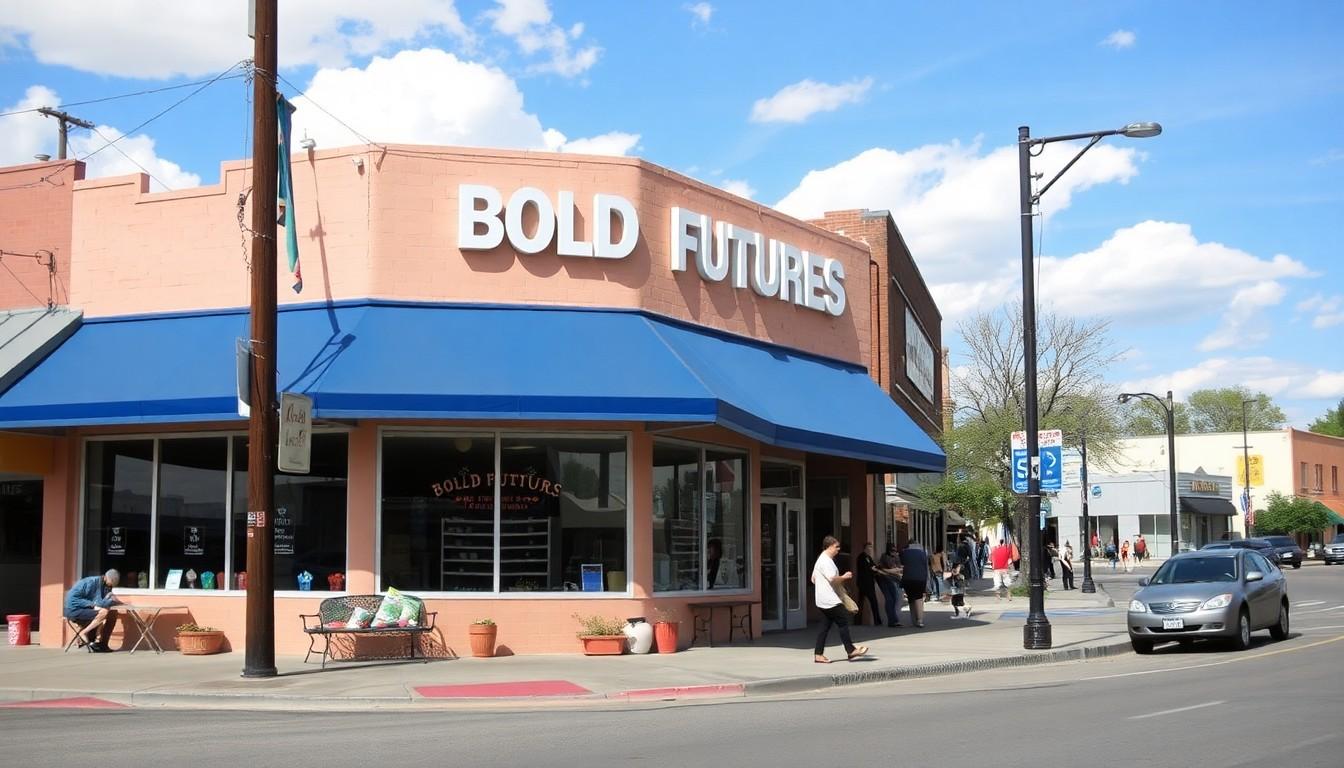
Shoppers and sightseers are rediscovering Route 66 not just as a road trip, but as a living archive of queer resilience , from Albuquerque’s rainbow crosswalks and family-friendly Pride parties to small Arizona towns where visibility is being built one bakery and tattoo shop at a time. Here’s where to go, what to look for, and why these stops matter.
Essential Takeaways
- Albuquerque’s visible pride: Rainbow crosswalks on Central Avenue and annual Pride routes make queer history easy to spot and feel local.
- Community-first organising: Bold Futures and other local groups weave culture and activism into accessible events like Family Pride and drag awards.
- Preservation as resistance: Efforts to save Route 66 are also efforts to keep marginalised stories from disappearing.
- Hidden but growing scenes: Places like Kingman and Flagstaff show how visibility varies , sometimes a Progress Pride flag and a bustling bakery are where community begins.
- Travel tools: Use resources like Booking.com’s Travel Proud filter to find trained, welcoming hotels along the Mother Road.
Why Albuquerque feels different , hope that’s painted on the street
Albuquerque greets you with a visual wink: rainbow crosswalks that mark more than a pedestrian route, they mark a history , the city’s first Pride in 1976 and a continued commitment to public celebration. That kind of openness makes visitors feel seen the minute they step onto Central Avenue, where queer life is both everyday and ceremonial. According to local organisers, events such as Family Pride intentionally marry cultural traditions like quinceañeras with Pride, so people don’t have to choose between identities. For a traveller, that translates into warm, familiar moments rather than a checklist of queer sites.
Drag, democracy and local politics , community organisers take the stage
From drag awards that draw elected officials to grassroots advocacy groups that prioritise safety, Albuquerque shows how political support can be performative and practical at the same time. Local advocates say safety is a strategic priority , not just rhetoric , and it shows in who’s invited to speak and how events are run. If you’re planning to attend a community night or fundraiser, expect a mix of celebration and organising: you’ll laugh, you might cry, and you’ll probably leave wanting to volunteer. That blend of joy and civic muscle is exactly why many queer travellers feel comfortable exploring the city at night.
Museums that choose truth over nostalgia , Route 66’s “other” stories
Not every Route 66 museum offers the same story. In Albuquerque a museum exhibit called The Other Route 66 deliberately foregrounds narratives often left out of postcard history , migrant workers, Indigenous communities, Black travellers, and a small but meaningful nod to local LGBTQ+ scenes. Preservationists like Angel Delgadillo in Arizona remind us the road is worth saving because it holds memory. For visitors that means seeking out smaller exhibits and local historians; the real route isn’t only neon diners and classic cars, it’s the personal archives, flyers and photos tucked away in community collections.
Where visibility is new , Kingman, Flagstaff and building queer space
Not every stop on the Mother Road is showered in rainbows. In Kingman you’ll find signs of a growing scene , a bakery beneath a Progress Pride flag, a tattoo studio hosting voter education nights , rather than Pride-bright storefronts. Locals say what’s missing isn’t support but space, and that community-building often happens in converted garages, cafés and weekly meet-ups. As a visitor, be prepared to look a bit harder, ask for local recommendations, and support grassroots venues; your presence helps give those spaces reason , and budget , to expand.
How to travel safely and respectfully along Route 66
Queer travellers still need to balance curiosity with caution. Use hospitality filters that indicate staff training and inclusive policies to find hotels where staff are prepared and welcoming. When you visit small towns, listen first: ask where queer folks meet, tip generously, and consider volunteering or donating to local groups that sustain events and safe spaces. And remember, preservation is an act of allyship; supporting local museums, historic associations and queer-run businesses keeps stories on the road for the next travellers who need them.
It’s a small change to plan your route with the community in mind, but it makes every stop along the Mother Road feel more honest and alive.
Source Reference Map
Story idea inspired by: [1]
Sources by paragraph: