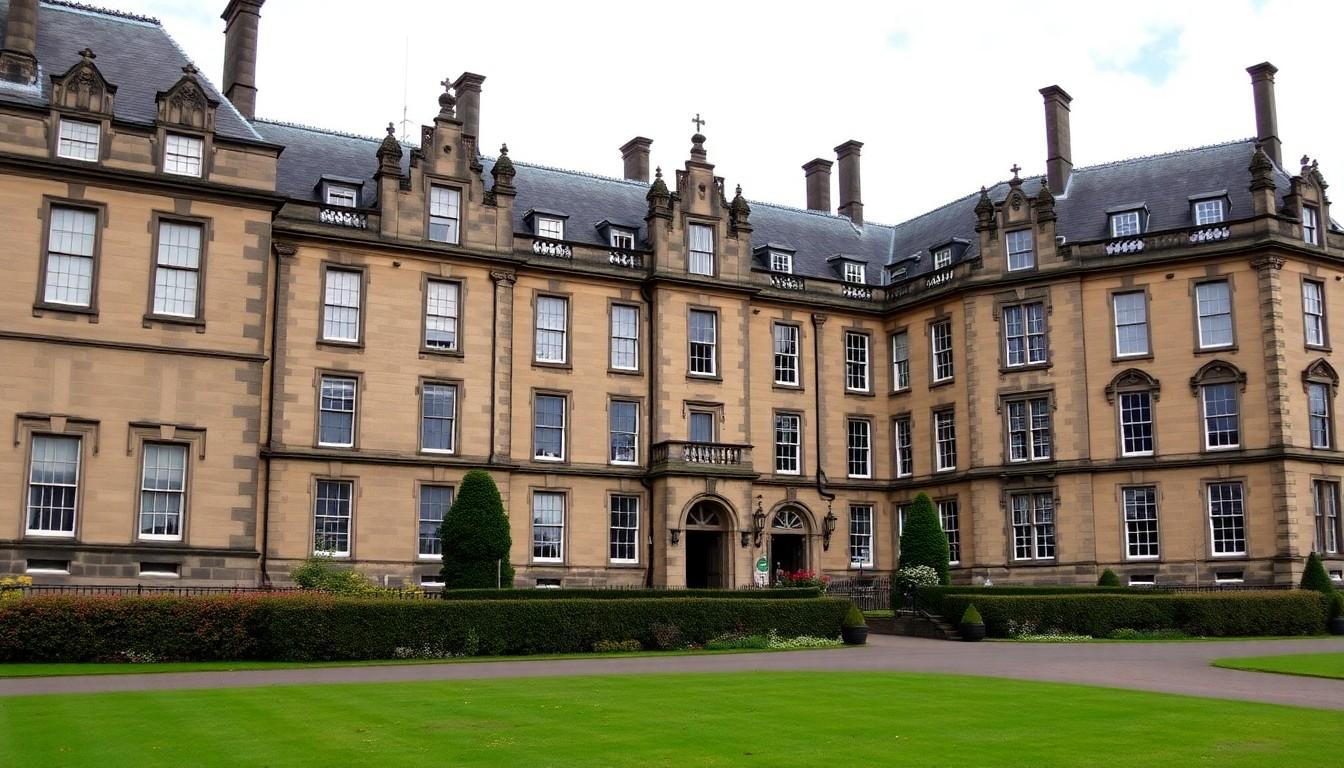
Shoppers of headlines noticed a royal snapshot this week: Queen Camilla and J.K. Rowling smiling together at the Palace of Holyroodhouse , a meeting meant to champion children’s literacy that quickly turned into an online row, raising questions about timing, messaging and who should represent reading initiatives.
Essential Takeaways
- Event setting: The photo was taken at the Palace of Holyroodhouse in Edinburgh during an event promoting children’s access to books and reading for pleasure.
- Timing mattered: The image was posted on the last day of Pride Month, which many users said made the meeting feel tone-deaf.
- Mixed reactions: Supporters praised the authorship and literacy focus, while critics called out Rowling’s past statements on trans issues and criticised the royal association.
- Royal context: Members of the Royal Family have a recent record of supporting LGBTQ+ causes, which added to the surprise and anger among some viewers.
- Practical consequence: The post shows how a simple photo can shift focus from a charity message to a culture-war debate.
A photo that looked cosy but landed awkwardly
The image of the Queen and J.K. Rowling is visually warm , two women in conversation, the Palace backdrop lending a soft, official glow , but online reaction turned sharp almost immediately. According to multiple reports, the Royal Family’s social accounts shared the picture with a caption about promoting young people’s access to books. The timing, at the close of Pride Month, introduced an extra emotional layer that many people noticed straight away.
This wasn’t just about public taste; it speaks to how symbolic gestures register now. When an institution as visible as the monarchy shares a moment with a polarising figure, some will read it as tacit approval. That’s what happened here, and it turned the conversation away from literacy towards identity politics.
Why some people felt blindsided during Pride Month
Critics said the Queen should have considered the optics of hosting Rowling at that moment, arguing the meeting felt dismissive of LGBTQ+ communities celebrating Pride. Posts criticising the move described disappointment and even betrayal from some fans of the royals’ previous support for equal-rights causes.
At the same time, defenders argued the focus should remain on reading and Rowling’s undeniable cultural impact as a bestselling author. The push and pull underline a simple truth: public figures can’t easily separate their cultural work from their political statements, especially when social media amplifies every frame.
Rowling’s history explains the heat of the reaction
The backlash is rooted in a string of public comments and online activity by Rowling over several years that have drawn criticism from LGBTQ+ advocates and allies. Observers pointed to earlier incidents , controversial likes, following polarising figures, and opinion pieces about gender identity , as context for why the photo provoked such swift reproach.
Rowling has repeatedly defended her positions as feminist and protective of women’s rights, while denying that she is transphobic. That long-running public dispute means any high-profile meeting she attends now will be scrutinised beyond the charity cause it’s meant to highlight.
Where the royals stand on LGBTQ+ causes , and why this matters
The Royal Family has a recent record of notable gestures supporting LGBTQ+ people: royal assent to same-sex marriage years ago, senior royals visiting charities that support queer youth, and public memorials recognising LGBTQ+ service in the armed forces. Those signals raised expectations that royal engagements would be sensitive to Pride Month visibility.
So when a royal-hosted image appears in Pride Month with someone many in the LGBTQ+ community see as hostile to their rights, the result is cognitive dissonance. For charities and public figures, the lesson is pragmatic: consider timing and the full public profile of anyone you elevate.
How organisations can avoid a similar backlash
If you’re organising public-facing advocacy, a few simple rules help prevent good intentions becoming distractions. First, map stakeholders: check what associations a guest might bring. Second, mind the calendar: sensitive dates amplify emotional responses. Third, frame communications clearly , explain why someone is invited and what outcome you want. And finally, anticipate reaction: have spokespeople ready to steer the narrative back to the core mission.
That’s not to say every collaboration will be uncontroversial, but forethought can keep the headline about the issue, not the incident.
It's a reminder that even a picture about reading can read very differently depending on context , choose your moments carefully.
Source Reference Map
Story idea inspired by: [1]
Sources by paragraph: